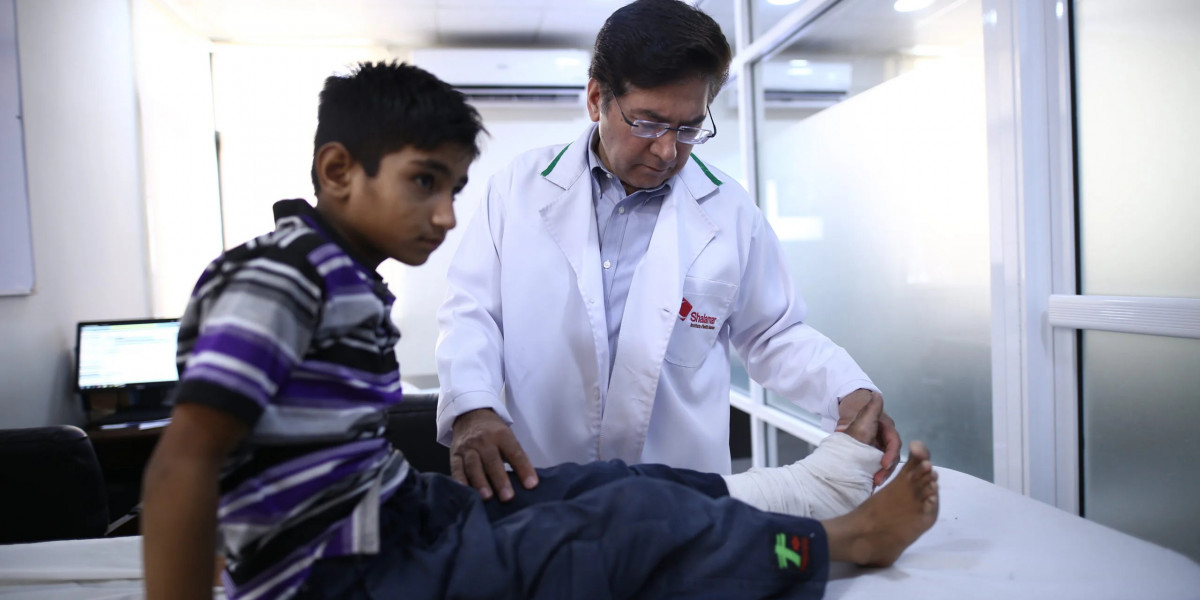

Recovering from bone surgery requires more than rest and medication. Proper nutrition plays a vital role in helping your body heal, rebuild bone tissue, reduce inflammation, and regain strength. Whether you've undergone surgery for a fracture, joint replacement, spinal procedure, or orthopedic reconstruction, the foods you eat during recovery can significantly influence how quickly and effectively you heal.
Bones are living tissues that constantly remodel themselves. After surgery, your body needs additional nutrients to repair damaged bone, regenerate surrounding muscles and connective tissues, and strengthen your immune system to prevent infections. Eating a balanced diet rich in protein, vitamins, minerals, and healthy fats can support faster recovery and improve overall outcomes.
Why Nutrition Matters After Bone Surgery
Bone healing is a complex biological process involving inflammation, tissue repair, and bone remodeling. During this period, your body has increased nutritional demands. If these needs aren't met, recovery may be slower, wounds may heal less efficiently, and the risk of complications can increase.
A nutrient-rich diet helps by:
Promoting new bone formation
Supporting collagen production
Strengthening the immune system
Reducing inflammation
Maintaining muscle mass during reduced mobility
Providing energy for healing
Lowering the risk of infections
Proper nutrition should complement your surgeon's recommendations, physical therapy, and prescribed medications.
1. Increase Your Protein Intake
Protein is one of the most important nutrients for healing after bone surgery. It helps repair damaged tissues, rebuild muscles, and produce collagen, which forms the framework for new bone.
Good protein sources include:
Skinless chicken
Fish
Eggs
Lean beef
Greek yogurt
Cottage cheese
Lentils
Chickpeas
Kidney beans
Tofu
Aim to include a source of protein in every meal to support continuous tissue repair throughout the day.
2. Eat Calcium-Rich Foods
Calcium is the primary mineral found in bones. Following surgery, your body requires sufficient calcium to rebuild bone tissue and restore strength.
Excellent calcium-rich foods include:
Milk
Yogurt
Cheese
Fortified plant-based milk
Spinach
Kale
Broccoli
Sesame seeds
Almonds
Adults recovering from orthopedic procedures should ensure they meet their daily calcium requirements through food and supplements if advised by their doctor.
3. Get Enough Vitamin D
Vitamin D helps the body absorb calcium efficiently. Even if you're consuming adequate calcium, low vitamin D levels can slow bone healing.
Sources of vitamin D include:
Fatty fish such as salmon and sardines
Egg yolks
Fortified dairy products
Fortified cereals
Moderate sunlight exposure
Some patients may require vitamin D supplements after surgery based on blood test results and medical advice.
4. Include Vitamin C Every Day
Vitamin C is essential for collagen production, which supports wound healing and bone repair.
Foods rich in vitamin C include:
Oranges
Lemons
Guavas
Strawberries
Kiwi
Bell peppers
Tomatoes
Broccoli
Including fresh fruits and vegetables daily helps strengthen the immune system while supporting tissue regeneration.
5. Consume Healthy Fats
Healthy fats help reduce inflammation and provide energy during recovery.
Choose sources such as:
Avocados
Olive oil
Walnuts
Chia seeds
Flaxseeds
Fatty fish
Omega-3 fatty acids found in salmon, sardines, and mackerel may further support the healing process by reducing excessive inflammation.
6. Eat Zinc-Rich Foods
Zinc is involved in tissue repair, immune function, and wound healing.
Good dietary sources include:
Beef
Pumpkin seeds
Lentils
Chickpeas
Cashews
Shellfish
Whole grains
A balanced diet usually provides adequate zinc, although supplements may be recommended in some cases.
7. Don't Forget Magnesium
Magnesium contributes to bone strength and supports hundreds of biochemical reactions within the body.
Foods rich in magnesium include:
Nuts
Seeds
Whole grains
Spinach
Black beans
Bananas
Maintaining healthy magnesium levels supports proper calcium metabolism and muscle function during recovery.
8. Stay Hydrated
Hydration is often overlooked after surgery, yet it plays an essential role in recovery.
Drinking enough fluids helps:
Transport nutrients throughout the body
Prevent constipation caused by pain medications
Maintain circulation
Support tissue healing
Improve overall energy levels
Water should be your primary beverage, although soups, herbal teas, and fresh fruit can also contribute to hydration.
9. Choose Whole Grains for Energy
Your body requires additional calories during healing. Whole grains provide steady energy while supplying fiber, vitamins, and minerals.
Healthy options include:
Brown rice
Oatmeal
Whole wheat bread
Quinoa
Barley
Fiber also supports digestive health, especially if reduced activity or pain medications are causing constipation.
10. Eat Plenty of Fruits and Vegetables
Colorful fruits and vegetables provide antioxidants that help reduce oxidative stress and inflammation during recovery.
Aim for a variety of colors each day, including:
Carrots
Sweet potatoes
Leafy greens
Blueberries
Apples
Grapes
Peppers
Cucumbers
A diverse intake of plant foods ensures you receive a broad spectrum of vitamins and minerals.
Foods to Limit During Recovery
Certain foods may slow healing or contribute to inflammation when consumed excessively.
Try to limit:
Sugary beverages
Highly processed snacks
Fast food
Deep-fried foods
Excessive salt
Refined carbohydrates
Excess alcohol
Smoking should also be avoided, as it significantly delays bone healing and increases the risk of surgical complications.
Sample One-Day Recovery Meal Plan
A balanced daily meal plan can make it easier to meet your nutritional needs.
Breakfast:
Oatmeal topped with almonds, chia seeds, and fresh berries, served with a glass of milk.
Mid-Morning Snack:
Greek yogurt with sliced fruit.
Lunch:
Grilled chicken breast, brown rice, steamed broccoli, and a mixed green salad with olive oil dressing.
Afternoon Snack:
A handful of walnuts and an orange.
Dinner:
Baked salmon with roasted sweet potatoes and sautéed spinach.
Evening Snack:
Cottage cheese or a glass of fortified milk.
This combination provides protein, calcium, healthy fats, fiber, vitamins, and minerals to support healing.
Lifestyle Tips to Support Bone Healing
Nutrition works best when combined with healthy recovery habits.
To promote optimal healing:
Follow your surgeon's post-operative instructions.
Attend all physical therapy sessions.
Take prescribed medications as directed.
Get adequate sleep each night.
Avoid lifting heavy objects too soon.
Perform only approved exercises during rehabilitation.
Maintain regular follow-up appointments.
Patience is important, as bone healing often takes several weeks to months depending on the procedure and your overall health.
When Should You Contact Your Doctor?
While gradual improvement is expected, seek medical advice if you notice:
Increasing pain instead of improvement
Persistent fever
Redness or swelling around the surgical wound
Drainage from the incision
Difficulty moving the affected limb
Loss of appetite lasting several days
Signs of dehydration
Early medical evaluation can help prevent complications and ensure your recovery stays on track.
Conclusion
Recovering from bone surgery requires a combination of proper medical care, rehabilitation, and a nutrient-rich diet. Eating enough protein, calcium, vitamin D, vitamin C, healthy fats, magnesium, zinc, and fiber can significantly support bone repair, tissue healing, and overall recovery. Staying hydrated, avoiding processed foods, and following your healthcare provider's recommendations can further improve healing outcomes. While every patient's recovery journey is unique, making healthy dietary choices can help you regain strength and mobility more efficiently. If you have questions about your recovery or need guidance from an experienced orthopedic surgeon in islamabad, Instacare.pk makes it easy to find qualified doctors across Pakistan, compare verified specialist profiles, and book appointments online for personalized post-surgical care and nutritional advice.