

Matcha and green tea come from the exact same plant, yet one simple difference in how they're consumed changes almost everything about the experience, the flavor, the nutritional content, and even how the caffeine actually feels once it kicks in. That difference comes down to a single mechanical fact, matcha involves drinking the whole leaf, while green tea involves drinking only what a leaf releases into water before being discarded.
Steeping vs. Whisking: A Fundamentally Different Process
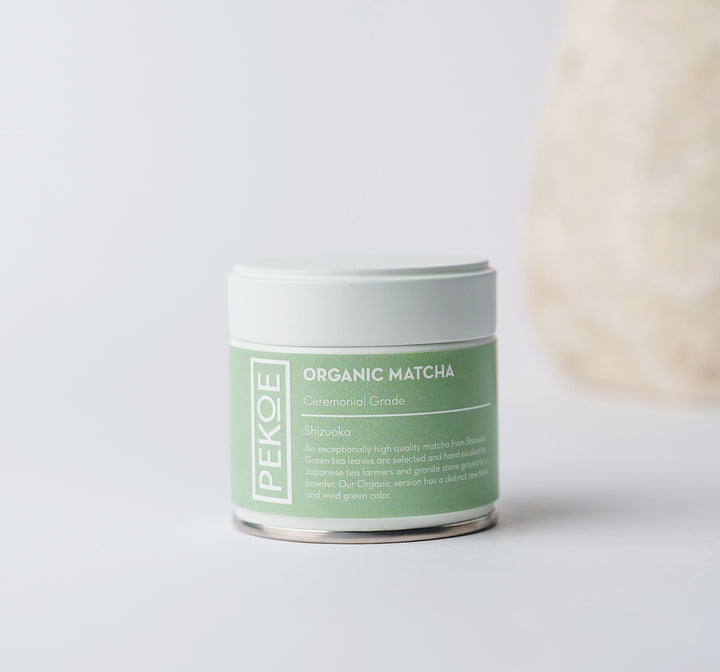
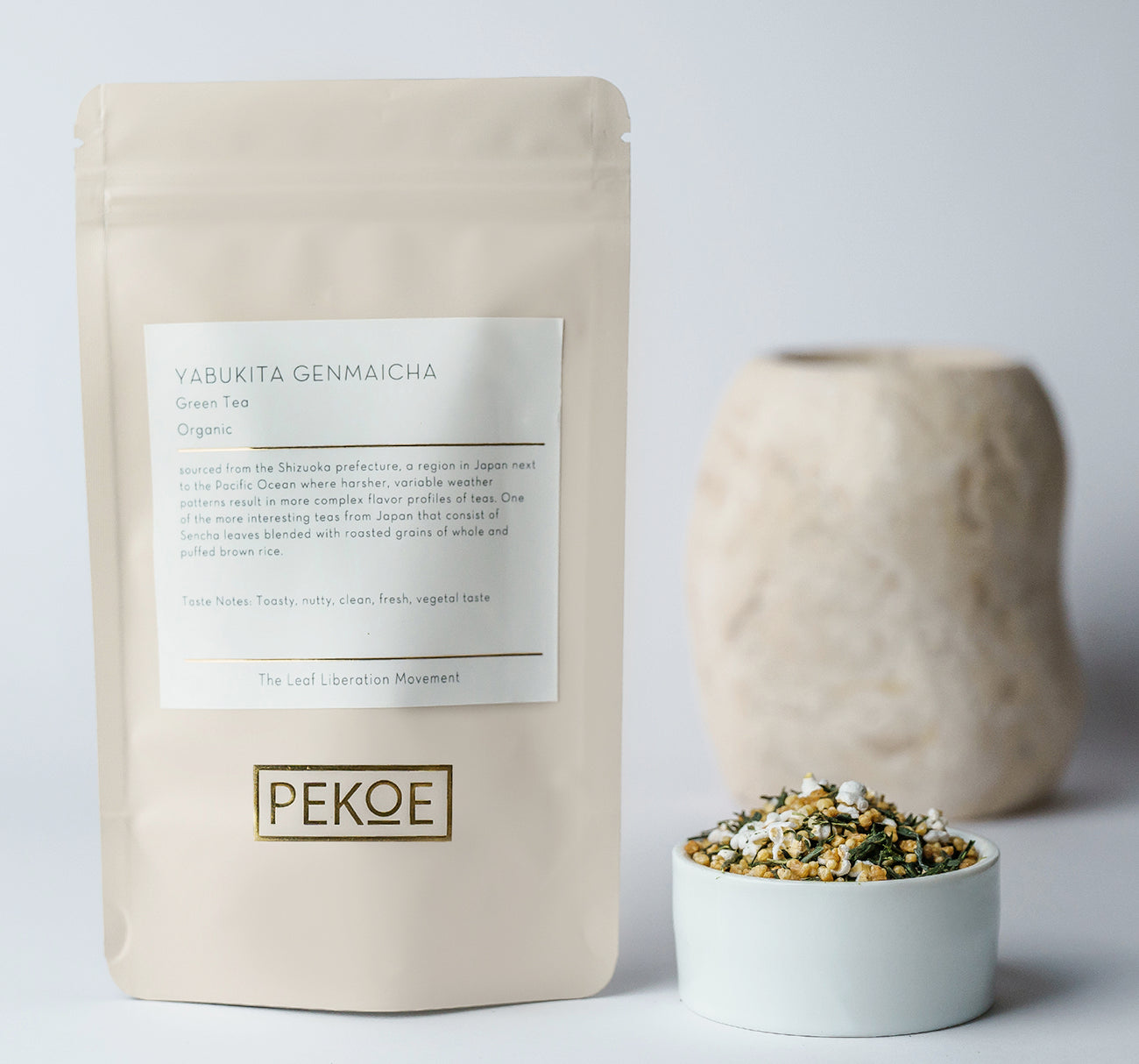
With standard green tea, dried leaves are steeped in hot water for a few minutes, allowing certain flavor compounds, caffeine, and nutrients to dissolve into the liquid before the leaves themselves are strained out and discarded. Matcha skips this extraction step entirely. The leaves are ground into a fine powder and whisked directly into water or milk, meaning the entire leaf, not just what it releases during steeping, ends up in the final cup. This single procedural difference explains nearly every other distinction between the two.
Nutrient Retention Changes Dramatically
Because steeping only extracts what's soluble in hot water within a limited timeframe, a meaningful portion of a green tea leaf's actual nutritional content never makes it into the cup at all. Matcha's whole-leaf consumption captures essentially everything the leaf contains, delivering a considerably more concentrated dose of catechins, the antioxidant compounds both teas are known for, along with chlorophyll, fiber, and other nutrients that would otherwise end up discarded along with the spent leaves.
The Caffeine Experience Feels Genuinely Different
This is one of the more surprising differences people notice once they understand the mechanism behind it. Green tea's caffeine, extracted through steeping, tends to hit gradually and mildly. Matcha's caffeine, consumed as part of the whole leaf alongside a naturally occurring amino acid called L-theanine, produces a steadier, more sustained kind of alertness rather than a quick, modest lift. The L-theanine slows how the body absorbs and processes caffeine, which is part of why matcha is so often described as delivering calm, focused energy rather than the sharper, shorter-lived boost associated with a quickly steeped cup of green tea.
Fiber Content Is a Distinction Most People Overlook
Since matcha involves consuming ground leaf material directly rather than just its liquid extraction, it actually contains a small but genuine amount of dietary fiber, something virtually absent from a cup of steeped green tea, where the fibrous leaf material is entirely strained away and discarded. While matcha isn't a significant fiber source in the way whole foods are, this distinction highlights just how differently the two beverages are actually consumed at a structural level, one as an infusion, the other as a genuine whole-food beverage.
Antioxidant Concentration: A Measurable Gap
Multiple comparisons of catechin content between the two beverages consistently point to matcha delivering a considerably higher concentration per serving, directly attributable to the whole-leaf consumption method. Green tea still offers meaningful antioxidant content, just proportionally less than what ends up in a properly prepared bowl of matcha, simply because steeping can only extract a portion of what the leaf actually contains before it's discarded.
Does This Mean Matcha Is Simply "Better"?
Not necessarily, and it's worth resisting that oversimplification. Green tea's lighter, more diluted nature makes it a genuinely excellent, low-effort daily habit, particularly for people sensitive to caffeine or those who prefer a milder flavor profile without much preparation involved. Matcha's concentrated nature suits people specifically seeking a more potent nutritional dose, sustained energy, or the calming ritual of properly whisking a bowl. Neither approach is wrong, they simply serve different priorities depending on what someone actually wants from their tea.
Why This Matters When Choosing Between the Two
Understanding this whole-leaf mechanism reframes the entire comparison. It's not that matcha is a "stronger version" of green tea in some vague sense, it's that the two represent fundamentally different consumption methods applied to the same plant, one an extraction, the other a genuine whole-leaf beverage. That distinction explains virtually every practical difference people actually notice between the two, from flavor intensity to how the caffeine feels to the visible color difference in the cup itself.
Where a Brand Like Pekoe Reflects This Difference
Pekoe, a tea brand offering both matcha and green tea within its wider collection, gives customers the chance to genuinely experience this whole-leaf distinction firsthand, sourcing both categories with the same attention to quality and freshness. For anyone curious to actually taste the difference this mechanism makes, having both options available from a single trusted source makes that comparison considerably easier to explore.
The Real Takeaway on Whole-Leaf Consumption
The gap between matcha and green tea isn't about one simply containing more of something than the other, it's a fundamentally different relationship with the same leaf, extraction versus whole consumption. Understanding this mechanism makes it far easier to choose intentionally between the two, rather than treating them as interchangeable versions of the same basic beverage.
For more information
TikTok: mypekoe
Instagram: mypekoe
Facebook: mypekoe