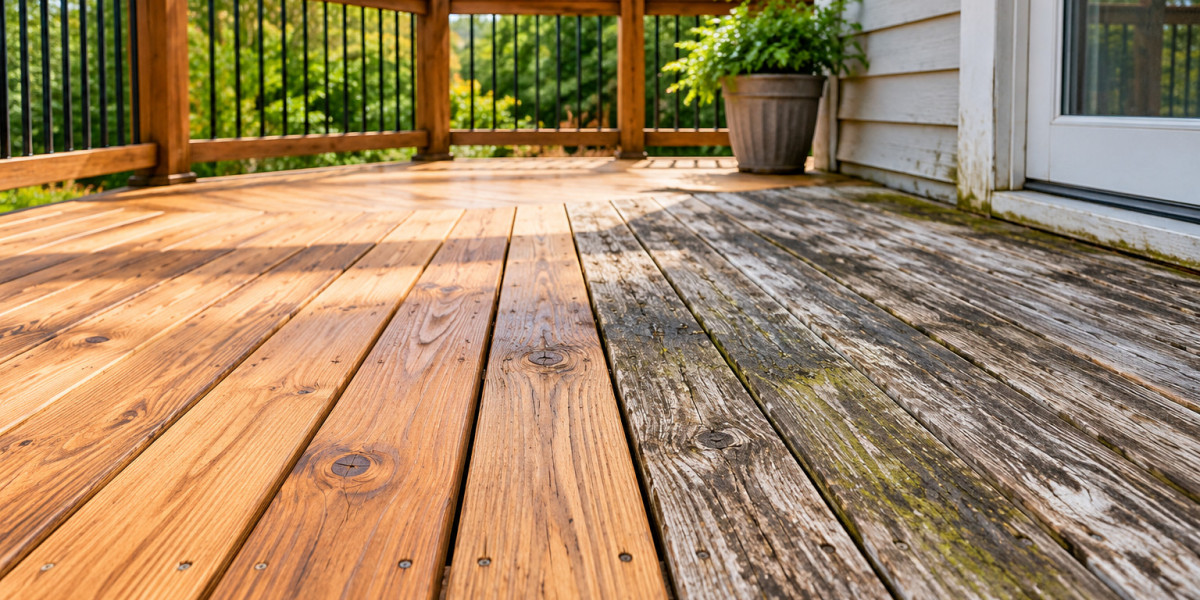

A deck rarely ages at the same rate from one end to the other. You may notice that some boards still look solid and attractive while others are faded, cracked, soft, or beginning to warp. This uneven aging is normal because different parts of a deck experience different amounts of sunlight, rain, moisture, foot traffic, and temperature changes. Understanding these differences can help you spot problems early and decide when maintenance or repairs are needed.
If certain areas of your deck are showing damage sooner than expected, a professional inspection such as Deck Repair in Greenville can help determine whether the problem is limited to a few boards or connected to a larger structural or moisture issue. Catching deterioration early is usually much easier than waiting until damaged materials affect surrounding components.
Why Does a Deck Age Unevenly?
A deck is exposed to the elements every day. However, not every part of it receives the same exposure. One section may stay wet after rainfall, while another dries within an hour. One area may receive direct afternoon sunlight, while another remains shaded by a tree.
These differences create varying rates of wear.
Several factors commonly determine how quickly different parts of a deck deteriorate:
- Sun exposure
- Rain and standing water
- Poor drainage
- Humidity and moisture
- Foot traffic
- Landscaping and vegetation
- Construction and ventilation
- Type and quality of decking material
- Maintenance history
The result is a deck where certain boards or structural components may look considerably older than others.
Sunlight Can Age Deck Boards Quickly
Direct sunlight is one of the biggest contributors to visible deck aging. Ultraviolet rays gradually break down the surface of wood, causing it to lose its original color.
Over time, boards exposed to strong sunlight may become:
- Gray or faded
- Dry-looking
- Rough to the touch
- More likely to develop surface cracks
- More vulnerable to moisture penetration
Areas that receive several hours of direct sunlight every day may therefore look older than sections protected by a roof, wall, railing, or nearby trees.
Why UV Exposure Matters
Sunlight does more than change the appearance of wood. Repeated heating and drying can contribute to surface deterioration. As the material dries, small cracks may develop, allowing water to penetrate more easily.
This doesn't mean every faded board needs to be replaced. Weathered color alone isn't necessarily a structural problem. However, deep cracking, splintering, softness, or significant movement deserves closer attention.
Moisture Can Make Some Areas Deteriorate Faster
If sunlight tends to age the surface, moisture can be even more concerning for the long-term condition of a deck.
Water may collect in areas where the deck doesn't drain properly. It can also remain trapped between boards, around fasteners, beneath planters, or near the connection between the deck and the house.
Wood that stays damp for extended periods has less opportunity to dry thoroughly. Persistent moisture can contribute to decay and create conditions where wood-damaging organisms thrive .
Look for Moisture-Prone Areas
Pay particular attention to:
- Boards close to the ground
- Areas beneath planters
- Sections under outdoor furniture
- Places where leaves collect
- Deck edges near downspouts
- Areas around stairs
- The ledger area near the house
- Posts and beams where water can collect
A deck can appear generally healthy while one moisture-prone area is deteriorating much faster.
Shade Isn't Always Better for Your Deck
It might seem that shaded areas should last longer because they're protected from damaging sunlight. Sometimes that's true, but shade can also create another problem: slower drying.
A deck located beneath dense trees, for example, may receive less direct sunlight but more moisture from rain, dew, and accumulated leaves. If branches prevent airflow, damp areas can remain wet longer.
Leaves and organic debris can also trap moisture against the decking surface.
This creates an important balance. Sun exposure can accelerate surface weathering, while persistent dampness can accelerate deterioration. The healthiest sections of a deck generally have enough ventilation and drainage to dry properly after getting wet.
Foot Traffic Wears Down High-Use Areas
Not all deck damage comes from weather.
Some areas simply receive more use than others. The section immediately outside a door may be walked across dozens of times a day, while a far corner might rarely be used.
High-traffic areas can experience:
- Surface wear
- Scratches
- Dirt buildup
- Finish deterioration
- Splintering
- Loose boards or fasteners
Furniture can contribute as well. Chairs that move repeatedly across the same section can scratch or wear the surface. Heavy furniture can also put additional stress on individual boards.
If one part of your deck consistently looks more worn than another, consider how that area is being used before assuming the difference is caused entirely by weather.
Deck Stairs Often Age Faster
Deck stairs deserve special attention because they experience a combination of environmental exposure and heavy use.
Stair treads are repeatedly stepped on, exposed to rain, and sometimes positioned where water doesn't drain efficiently. Their horizontal surfaces can also hold moisture longer than vertical components.
The edges of stair boards may be especially vulnerable to cracking and splintering.
During an inspection, check each tread for:
- Soft spots
- Cracks
- Excessive movement
- Splintering
- Loose fasteners
- Signs of rot
- Water accumulation
Don't focus only on how the stairs look. A board that appears acceptable from above may have deterioration underneath.
Railings and Posts Have Their Own Aging Patterns
Railings and posts don't necessarily deteriorate in the same way as deck boards.
Vertical components may receive less direct rainfall than horizontal surfaces, but their connection points can still become vulnerable to moisture. Water may collect around fasteners or joints, especially where horizontal and vertical components meet.
Posts that sit close to the ground are particularly important to inspect. If moisture repeatedly reaches the base of a post, deterioration can eventually affect its ability to support the structure.
Check Connection Points Carefully
Look closely at:
- Post bases
- Railing connections
- Stair connections
- Beam-to-post connections
- Areas around bolts and screws
- Joints between different pieces of wood
These areas may deteriorate even when the surrounding boards still appear healthy.
Why the Same Decking Material Can Age Differently
Even if every board was installed at the same time and made from the same material, they won't necessarily have the same lifespan.
Natural wood contains variations in grain, density, and moisture content. Some boards are naturally more resistant to weathering than others.
Installation also matters. Boards with proper spacing allow water to drain and air to circulate. Boards installed too closely together can retain debris and moisture.
The quality of previous maintenance matters too. A deck that has been regularly cleaned, inspected, and properly sealed or stained may age differently from one that has received little maintenance.
When Uneven Aging Becomes a Warning Sign
Uneven appearance by itself isn't necessarily a reason to worry. Decks naturally weather differently depending on their exposure and use.
However, certain changes should not be ignored.
Soft or Spongy Boards
If a board feels noticeably softer than surrounding boards when you press or step on it, investigate further. Softness can indicate moisture-related deterioration.
Deep Cracks
Small surface checks can be common in outdoor wood. Larger cracks that extend deeply through a board may weaken it and allow additional moisture inside.
Loose or Moving Boards
A board that moves significantly when stepped on may have damaged fasteners, deteriorated supporting material, or another underlying issue.
Discoloration Combined With Softness
Color changes aren't always serious. But dark, discolored areas combined with softness, crumbling wood, or persistent dampness deserve attention.
How to Slow Down Uneven Deck Aging
You can't completely stop a deck from weathering, but regular maintenance can help reduce unnecessary deterioration.
Keep the Deck Clean
Remove leaves, dirt, branches, and other debris regularly. Pay special attention to corners and areas beneath furniture or planters.
Improve Drainage
Make sure water isn't consistently collecting in one section. Check nearby gutters and downspouts to ensure they aren't directing water toward the deck.
Allow Airflow
Trim vegetation that prevents the deck from drying properly. Avoid creating enclosed spaces where moisture becomes trapped.
Inspect Regularly
Walk across the entire deck at least periodically rather than checking only the areas you use most. Look and feel for changes in boards, stairs, railings, and structural components.
Address Small Problems Early
Replacing one damaged board is generally more straightforward than dealing with deterioration that has spread to multiple components.
If several areas show signs of deterioration, getting advice from a qualified Deck repair service in Valhalla can help you understand whether targeted repairs are appropriate or whether a more extensive inspection is necessary.
A Simple Seasonal Deck Inspection
You don't need specialized equipment to perform a basic visual check.
Start by walking slowly across the entire deck. Notice any areas that feel unusually soft, bouncy, or unstable.
Next, inspect the surface for:
- Cracked or split boards
- Excessive discoloration
- Loose fasteners
- Standing water
- Mold or organic buildup
- Damaged stair treads
- Loose railings
- Deteriorated posts or connections
Look underneath the deck if it is safely accessible. Check beams, joists, and posts for visible damage, excessive moisture, or deterioration.
If you discover significant structural damage, avoid using the affected area until it can be properly assessed.
The Importance of Looking Beyond Appearance
One of the biggest mistakes homeowners make is judging a deck entirely by its appearance.
A faded board may still be structurally sound, while a board that looks reasonably good may have hidden deterioration underneath. Likewise, a small area of damage can sometimes point toward a drainage or ventilation problem that needs to be addressed.
That's why it helps to consider why a specific part of the deck is aging faster.
Is it exposed to direct sunlight? Does water collect there? Is it heavily used? Is it close to the ground? Does landscaping keep it damp?
Answering these questions can help identify the cause rather than simply treating the visible symptom.
Conclusion
It's completely normal for different parts of a deck at different speeds. Sunlight, moisture, drainage, airflow, foot traffic, construction details, and maintenance all influence how quickly individual components deteriorate. The key is knowing the difference between normal weathering and signs that something needs attention.
Regular inspections, proper cleaning, good drainage, and timely repairs can help extend the useful life of your deck and keep minor issues from becoming larger problems. Whether you're maintaining an older deck or simply trying to protect a newer one, working with experienced professionals such as JLL Painting can provide useful guidance when repairs or maintenance require a closer look.
FAQs
1. Why does one part of my deck look older than another?
Different areas receive different amounts of sunlight, moisture, foot traffic, and airflow. These environmental and usage differences can cause some boards to weather faster than others.
2. Are gray deck boards a sign that the wood is rotting?
Not necessarily. Gray coloring is often caused by normal weathering and UV exposure. However, if the discoloration is accompanied by softness, crumbling, deep cracks, or persistent moisture, the board should be inspected.
3. Which parts of a deck should I inspect most often?
Pay close attention to stairs, high-traffic areas, boards near the ground, areas where water collects, post bases, structural connections, and sections beneath plants or outdoor furniture.
4. How can I make my deck last longer?
Keep the deck clean, remove leaves and debris, maintain good drainage, allow adequate airflow, inspect it regularly, and address damaged boards or structural concerns promptly.