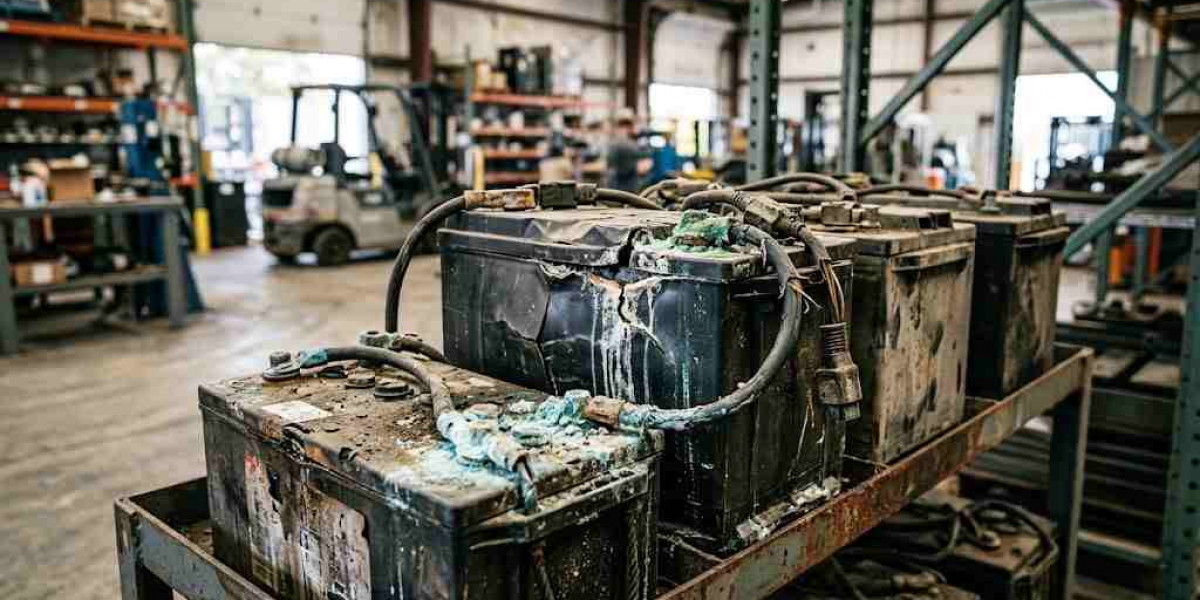

Industrial batteries are built to handle demanding workloads, but even a high-quality battery can struggle when its connections are dirty, loose, corroded, or damaged. Battery terminals, cables, connectors, and related components create the path that allows electrical energy to move from the battery to the equipment. When that path is compromised, the entire system can become less efficient and less reliable.
Regular inspections are an important part of Industrial battery service because connection problems can develop gradually and may not be obvious during normal equipment operation. A connection that looks acceptable at first glance could have corrosion underneath the surface, a loose fastener, damaged insulation, or signs of overheating. Catching these issues early can help prevent unexpected downtime, poor equipment performance, and more expensive repairs.
Why Battery Connections Matter
An industrial battery does more than simply store electrical energy. It must deliver that energy consistently to equipment such as forklifts, floor-cleaning machines, warehouse vehicles, backup systems, and other heavy-duty applications.
The connections between the battery and equipment are essential to this process. If electrical resistance increases because of corrosion or a loose connection, the battery may have to work harder to deliver the required power.
This can result in several problems, including:
- Reduced equipment performance
- Slower operating speeds
- Difficulty starting or powering equipment
- Excessive heat around terminals or cables
- Shorter battery runtime
- Increased charging problems
- Unexpected equipment shutdowns
- Premature wear on electrical components
A simple inspection can sometimes identify a small connection problem before it develops into a major operational issue.
Common Problems Found During Battery Connection Inspections
Battery connection issues can take several forms. Some are easy to spot, while others require a closer examination.
Loose Connections
Industrial equipment experiences vibration, movement, and repeated use. Over time, these conditions can cause connection hardware to loosen.
A loose terminal may create additional electrical resistance. As current passes through the connection, that resistance can generate heat. Continued operation under these conditions may damage the terminal, cable, connector, or surrounding components.
Technicians should inspect connection points and ensure they are secure according to the equipment or battery manufacturer's specifications. Over-tightening should also be avoided because excessive force can damage terminals or hardware.
Corrosion and Contamination
Corrosion is another common issue, particularly around battery terminals and connectors. Dirt, moisture, electrolyte residue, and environmental contaminants can contribute to corrosion.
Corroded surfaces may interfere with electrical conductivity. Even when a battery appears to be functioning normally, corrosion can gradually reduce connection quality.
During an inspection, technicians should look for discoloration, buildup, residue, or other signs that the connection needs cleaning or further evaluation.
Damaged Cables
Battery cables carry substantial electrical current, so their condition deserves close attention. Cracks, worn insulation, exposed conductors, flattened sections, or heat damage can indicate a problem.
Cables may become damaged because of improper routing, contact with sharp edges, repeated movement, excessive heat, or general wear.
A damaged cable should not simply be ignored because the equipment is still operating. Electrical problems can become more serious under heavy loads, potentially causing equipment interruptions or additional component damage.
Overheated Terminals
Heat around a battery connection can be a warning sign. Excessive heat may result from high resistance caused by a poor connection, damaged hardware, corrosion, or an electrical issue elsewhere in the system.
Discoloration, melted insulation, warped connectors, or unusual odors may indicate that a connection has been exposed to excessive heat.
Any obvious evidence of overheating deserves prompt attention rather than simply cleaning the area and returning the equipment to service.
How Poor Connections Affect Battery Performance
One of the biggest reasons to inspect connections regularly is that connection problems can affect the way the entire battery system performs.
Imagine a forklift that normally operates for several hours between charges. If a connection becomes compromised, the operator may notice reduced performance, inconsistent power, or a shorter working period.
The battery itself may not necessarily be the primary problem. A poor connection can prevent stored energy from being delivered efficiently to the equipment.
This is why replacing a battery without checking its connections may fail to solve the underlying issue. Proper troubleshooting should consider the battery, cables, terminals, connectors, charger, and equipment as parts of one electrical system.
Signs That Connections Need Attention
Operators and maintenance teams should pay attention to changes in equipment behavior. Some warning signs include:
1. Equipment Loses Power Unexpectedly
If equipment suddenly loses power or behaves inconsistently, inspect the electrical connections as part of the troubleshooting process.
2. Battery Runtime Seems Shorter
A noticeable reduction in operating time can have several causes, including battery condition, charging practices, workload, temperature, and connection problems.
3. Terminals Show Corrosion
Visible corrosion or residue around terminals should not be ignored. It can interfere with proper electrical contact.
4. Cables Feel or Look Damaged
Cuts, cracks, exposed wires, discoloration, or melted insulation are reasons to stop and investigate rather than continuing normal operation.
5. Connections Become Unusually Hot
Heat around a connection can indicate excessive resistance or another electrical problem. The source should be identified before continued heavy use.
6. Equipment Starts Behaving Differently
Intermittent operation, sluggish performance, warning indicators, or unusual electrical behavior may justify a detailed inspection.
How Often Should Industrial Battery Connections Be Inspected?
There is no single inspection schedule that works for every operation. Frequency depends on the battery type, equipment, operating environment, workload, manufacturer recommendations, and maintenance program.
A busy warehouse with multiple shifts and heavy equipment usage may require more frequent checks than a facility where equipment is used occasionally.
A practical maintenance program can include:
- Routine visual checks by trained operators
- Scheduled inspections by maintenance personnel
- Cleaning when appropriate
- Inspection of cables and connectors
- Checking for signs of heat or corrosion
- Verification of secure connections
- Detailed servicing according to manufacturer recommendations
The important point is consistency. Waiting until a machine stops working can turn a relatively minor connection issue into an expensive interruption.
What a Proper Inspection Should Include
A useful inspection should go beyond simply looking at the battery.
Check the Terminals
Inspect terminals for corrosion, damage, looseness, discoloration, or unusual wear.
Examine Cables and Insulation
Look along the full accessible length of cables for cuts, abrasion, cracks, exposed conductors, or heat damage.
Inspect Connectors
Connectors should be examined for damage, contamination, deformation, and signs of overheating. A connector that no longer fits securely may need professional attention.
Look for Evidence of Heat
Discoloration, melted insulation, or heat-related damage can indicate that electrical resistance or another fault needs to be investigated.
Follow Manufacturer Specifications
Battery and equipment manufacturers may provide specific procedures for inspection, cleaning, connection hardware, and torque requirements. These instructions should take priority over general maintenance practices.
Safety Should Always Come First
Industrial batteries can store significant amounts of electrical energy. Even a maintenance task that appears simple can present electrical, chemical, mechanical, or thermal hazards.
Only trained and authorized personnel should perform work that requires disconnecting battery connections, handling damaged components, or performing electrical testing.
Before maintenance begins, workers should follow the applicable workplace safety procedures and manufacturer instructions. Appropriate personal protective equipment may also be required depending on the battery type and task.
It is also important to avoid improvised repairs. Temporary fixes to damaged cables, terminals, or connectors can create additional risks and may not address the underlying problem.
Why Preventive Inspection Can Save Money
Preventive maintenance is often less expensive than emergency repair. A damaged connection may initially require nothing more than cleaning, tightening, or replacing a worn component. If the problem is ignored, however, it can contribute to damage elsewhere in the electrical system.
For businesses that rely heavily on powered equipment, unexpected downtime can affect productivity, scheduling, and operating costs.
Regular inspections can also provide useful maintenance records. Tracking recurring issues can help maintenance teams identify patterns, such as repeated corrosion, cable damage, excessive heat, or connection failures.
That information can then be used to improve maintenance schedules and address environmental or operational factors contributing to the problem.
Build Battery Connection Checks Into Routine Maintenance
The easiest way to avoid overlooked connection problems is to make inspections part of the normal maintenance routine.
Instead of treating battery connections as something to examine only when equipment develops a fault, include them in scheduled service activities. Operators can report visible problems, while qualified maintenance personnel can perform more detailed inspections.
A simple checklist can help:
- Inspect terminals for corrosion or damage.
- Check cables for wear and damaged insulation.
- Examine connectors for heat or physical damage.
- Look for loose or abnormal connection points.
- Check for contamination or residue.
- Investigate unusual equipment behavior.
- Record problems and corrective actions.
- Follow the battery and equipment manufacturer's service requirements.
This approach makes maintenance more predictable and reduces the chance that small problems will go unnoticed.
Conclusion
Industrial battery connections may be small components, but they play a major role in reliable equipment performance. Loose terminals, corrosion, damaged cables, overheated connectors, and other connection problems can reduce efficiency and create avoidable maintenance issues when they are left unchecked.
Regular inspections give businesses an opportunity to identify these problems early and keep battery-powered equipment operating more reliably. A consistent maintenance routine, combined with safe work practices and manufacturer guidelines, can also help extend the useful life of electrical components and reduce unexpected downtime. When professional support is needed, Battery Rescue LLC can be part of a maintenance strategy focused on keeping industrial battery systems dependable and ready for demanding work.