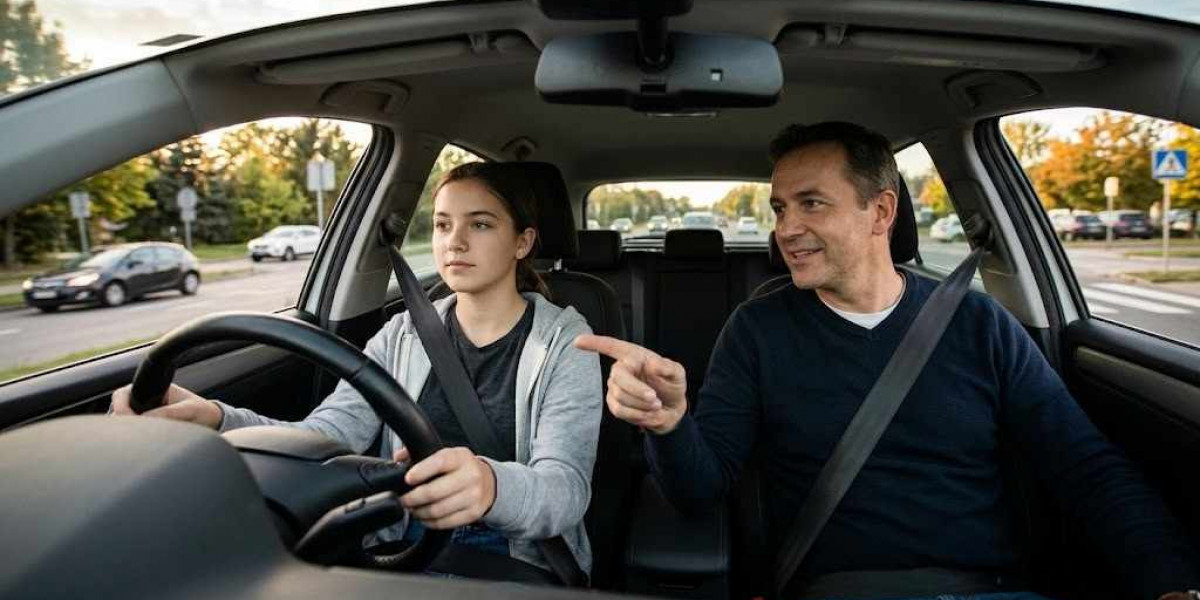

Learning to drive is an exciting milestone for teenagers, but becoming a safe driver involves much more than knowing how to steer, brake, and follow traffic signs. Teens also need to learn how to anticipate hazards, recognize risky situations, and make calm decisions when other road users behave unpredictably. These are the foundations of defensive driving.
Parents play an important role in developing these habits. While professional instruction gives teens structured guidance and essential driving techniques, everyday conversations and supervised practice can reinforce those lessons. If your teen is currently learning, combining professional Teen driver training Vancouver with consistent practice and positive guidance at home can help turn defensive driving principles into natural habits.
What Is Defensive Driving?
Defensive driving means actively looking for potential hazards and taking reasonable steps to avoid them. Instead of assuming that everyone else on the road will follow the rules perfectly, defensive drivers stay alert and prepare for unexpected situations.
For example, a defensive driver may notice a vehicle drifting slightly within its lane and create extra space rather than waiting to see what happens. They may slow down when approaching a blind intersection or scan carefully for pedestrians near a busy parking area.
For teenagers, developing this mindset is particularly valuable because driving experience takes time. Defensive driving encourages them to think ahead instead of simply reacting to events as they happen.
Start With Observation, Not Criticism
One of the easiest ways parents can teach defensive driving is by talking about what they see while riding with their teen.
Instead of saying, “You're driving too fast,” try asking:
- “What is the speed limit here?”
- “What could happen around this corner?”
- “What are you watching for near that parked car?”
- “If that vehicle suddenly stopped, what would you do?”
- “Do you have enough space to stop safely?”
These questions encourage your teen to think rather than simply follow instructions.
The goal isn't to turn every drive into a lesson. A few thoughtful questions during appropriate moments can help teenagers develop stronger observation skills without making them feel constantly judged.
Teach Teens to Look Several Seconds Ahead
New drivers often focus heavily on the vehicle directly in front of them. Defensive drivers gradually learn to look farther down the road.
Parents can help by encouraging teens to scan the road ahead for:
- Brake lights several vehicles ahead
- Pedestrians approaching crossings
- Cyclists near the roadway
- Vehicles entering from side streets
- Parked cars that could hide pedestrians
- Changing traffic signals
- Construction zones
- Vehicles preparing to turn or merge
Looking farther ahead gives drivers more time to respond. It also reduces the temptation to make sudden braking or steering movements.
Practice Predicting What Happens Next
A useful exercise is to ask your teen to predict what another road user might do.
For example, while approaching a parked vehicle, ask, “What might happen if someone opens that door?” Near a bus stop, ask, “What should we watch for?”
This teaches teenagers to recognize clues before a hazard becomes an emergency.
Teach the Importance of Following Distance
Following too closely is one of the easiest mistakes for inexperienced drivers to make. A teen may feel comfortable staying close to the vehicle ahead without realizing how little time they have to react if traffic suddenly stops.
Explain that following distance should provide enough space to react comfortably, especially in poor weather, heavy traffic, or situations where visibility is limited.
Rather than focusing only on a fixed distance, teach your teen to adjust their space according to road and traffic conditions.
More Space Can Mean More Options
Defensive driving isn't just about avoiding collisions. It's also about maintaining options.
If a driver leaves enough space ahead, they have more time to brake gradually, change position when appropriate, or respond to an unexpected situation.
Parents can reinforce this by pointing out how different traffic conditions affect the amount of space a driver should maintain.
Teach Teens to Expect the Unexpected
One of the most important defensive driving lessons is that other road users can make mistakes.
A driver might:
- Forget to signal
- Change lanes suddenly
- Stop unexpectedly
- Miss a traffic sign
- Turn from the wrong lane
- Pull out without enough space
- Become distracted
This doesn't mean teenagers should drive nervously or assume everyone is dangerous. Instead, they should learn to remain prepared.
Teach your teen to think, “What if?” without becoming anxious.
For instance: “What if that car doesn't stop?” or “What if the pedestrian steps into the road?”
This kind of mental preparation can help a young driver respond more calmly when something unexpected happens.
Encourage Smart Speed Management
Speed isn't only about obeying posted limits. Defensive drivers also choose speeds that match the conditions.
A road may have a relatively high posted limit, but rain, darkness, congestion, sharp curves, road construction, or poor visibility may require greater caution.
Parents can explain that a safe speed allows the driver to:
- See hazards clearly.
- Maintain control.
- React with enough time.
- Stop when necessary.
- Adjust to changing conditions.
Teenagers should understand that driving at the maximum legal speed isn't always the same as driving at an appropriate speed.
Make Distractions a Family Rule
Teen drivers can be especially vulnerable to distractions because they are still developing driving experience. Parents should establish clear expectations around mobile phones and other distractions.
A simple family rule can be:
When the car is moving, the phone stays out of reach.
Parents should follow the same rule. Teenagers are more likely to take safety expectations seriously when they see adults practicing them consistently.
Other distractions deserve attention too. Loud conversations, adjusting entertainment systems, eating, or searching for something inside the vehicle can take attention away from the road.
Teach Teens to Prepare Before Moving
Encourage your teen to adjust mirrors, choose a route, connect their phone if necessary, and set the climate controls before starting the journey.
Small preparations can reduce distractions once the vehicle is moving.
Practice Defensive Driving in Different Conditions
A teenager shouldn't learn defensive driving only on familiar roads during perfect weather.
As their basic skills improve, parents can gradually provide supervised experience in different environments, provided it is legal and appropriate under local licensing rules.
Depending on the teen's experience, this may include:
- Busy intersections
- Residential streets
- Highways or major roads
- Wet-weather driving
- Night driving
- Parking lots
- Moderate traffic
- Unfamiliar routes
The key is gradual progression. Introducing too many challenges at once can overwhelm a new driver.
Teach Teens How to Handle Aggressive Drivers
Young drivers may encounter impatient or aggressive motorists. Parents should explain that responding emotionally can make a situation more dangerous.
If another driver tailgates, honks repeatedly, or behaves aggressively, teach your teen to avoid confrontation.
They should focus on maintaining control, creating space when possible, and allowing the other driver to move away.
Defensive driving means managing your own behavior even when someone else isn't behaving responsibly.
Turn Mistakes Into Learning Opportunities
Every new driver makes mistakes. The way parents respond can influence how comfortable teenagers feel discussing those mistakes.
If a teen makes an error, start by making sure everyone is safe. Then discuss what happened calmly.
Instead of saying:
“You should have known better.”
Try:
“What do you think happened there, and what could you do differently next time?”
This approach encourages self-assessment rather than defensiveness.
Avoid Correcting Every Small Detail
Constant criticism can make teenagers anxious behind the wheel. If a correction is necessary, keep it clear and specific.
For example:
“Check your blind spot before changing lanes.”
is more useful than:
“You're not paying attention.”
Specific feedback gives the driver something practical to improve.
Help Teens Develop a Safety Mindset
Defensive driving is ultimately a way of thinking. Parents can help teens understand that good driving isn't about looking confident or getting somewhere as quickly as possible.
It is about making sensible decisions consistently.
A defensive driver asks:
- “What could go wrong here?”
- “Do I have enough space?”
- “Can I see clearly?”
- “What are other road users likely to do?”
- “Do I have enough time to react?”
- “Would slowing down give me more control?”
These questions gradually become part of a driver's natural thought process.
Set Clear Expectations Before Independent Driving
Before allowing a teenager to drive independently, parents should discuss expectations openly.
Topics may include:
- Seat belt use
- Passenger limits
- Phone use
- Night driving
- Speed management
- Alcohol and drug impairment
- Driving when tired
- Vehicle maintenance
- What to do after a minor collision
- When to call a parent for help
The exact rules should reflect local laws and the family's circumstances.
Most importantly, make sure your teen knows that asking for help is always better than making a risky decision because they are afraid of getting in trouble.
Keep Building Skills After the Licence
Passing a driving test doesn't mean a teenager has finished learning. A licence confirms that a driver has met required standards; real-world experience continues to develop afterward.
Parents can continue helping by occasionally discussing challenging situations and encouraging their teen to reflect on their driving.
Ask questions such as:
“What was the most difficult part of that drive?”
or
“Did anything surprise you today?”
These conversations can help young drivers identify areas where they need more practice.
Conclusion
Helping a teenager become a defensive driver is a gradual process. Professional instruction, supervised practice, thoughtful conversations, and consistent family expectations can all contribute to safer habits. Parents don't need to have an answer for every situation; they simply need to encourage their teen to observe carefully, anticipate hazards, manage speed and space, and make calm decisions.
Most importantly, defensive driving should be presented as a lifelong skill rather than something a teenager learns only to pass a test. With patient guidance and appropriate professional support, including training from Benche Driving School, parents can help young drivers build the awareness and judgment they need to handle everyday roads more safely and confidently.