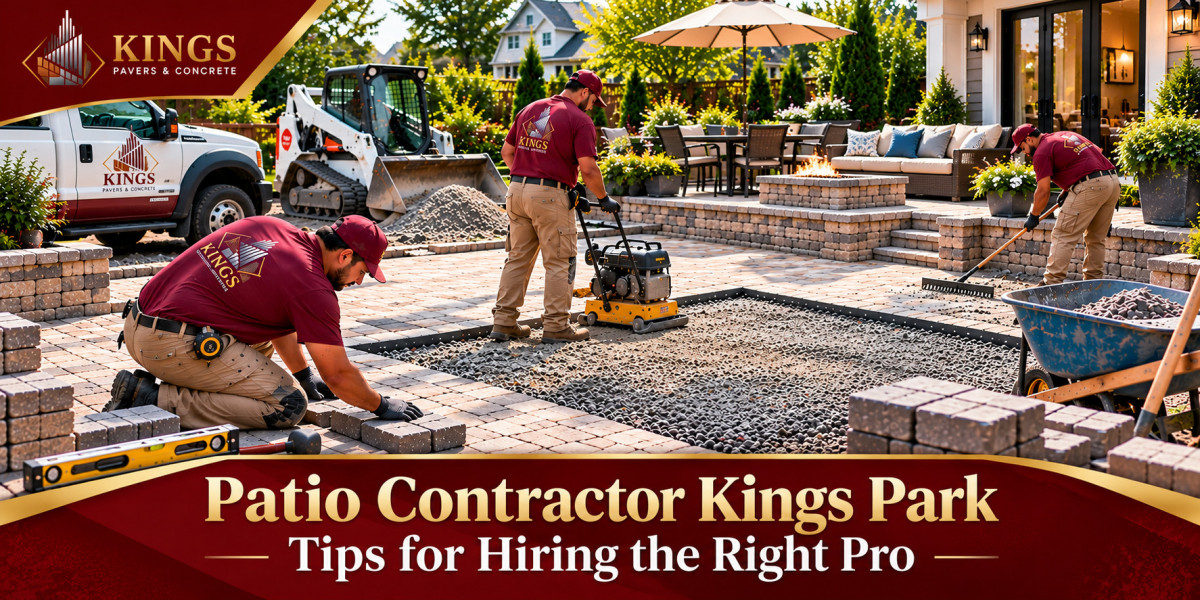

A new patio can turn an underused backyard into a place where the family actually spends time. Whether you picture outdoor dinners, a firepit corner, or a simple spot for morning coffee, the result depends heavily on who builds it. Finding the right patio contractor Kings Park homeowners can count on involves more than comparing price quotes. Materials, drainage, base preparation, and careful installation all shape how the patio looks and performs after the first few winters. This article explains what good work involves, how to compare contractors, and which questions to ask before you sign anything.
Why Choosing the Right Patio Contractor Matters
Two patios can look identical on installation day and behave very differently a few years later. The difference usually sits below the surface, in the work most homeowners never see.
A capable contractor starts with a site evaluation, then recommends materials that suit the yard and the intended use. They plan the layout, base, and drainage, consider how equipment and materials will reach the backyard, and define the project scope in writing. No contractor can guarantee a result, but a clear process and honest answers are good signs.
Popular Patio Materials for Kings Park Homes
Concrete Pavers
Concrete pavers offer wide design flexibility, with many colors, textures, shapes, and patterns. Interlocking patio pavers can be laid in layouts that suit modern or traditional homes, and an individual paver can be replaced if it cracks or stains.
Brick Pavers
Brick patio pavers have a classic look. Some are fired clay and others are brick-style concrete, so the material type affects color behavior, maintenance, and appearance over time. Ask for the manufacturer’s information on whichever product you choose.
Natural Stone
A natural stone patio, such as one made with bluestone, has a distinctive, varied character. Installation needs depend on the specific stone and product, including thickness, setting method, and joint treatment. Maintenance can also differ from manufactured pavers.
Poured Concrete
Poured concrete is a single slab rather than a system of units. It can be finished plain or with decorative treatments. Homeowners should consider control joints, cracking potential, and the fact that repairs can remain visible.
No material is best for every property. Budget, style, and site conditions should drive the choice.
How Professional Patio Installation Works
A professionally installed paver patio follows a sequence. Exact excavation depths and base thicknesses depend on the soil, the paver, and the use, so be cautious about anyone offering one fixed number for every yard.
Step 1: Site Evaluation
The contractor reviews the existing yard, drainage, elevations, access, landscaping, and how you plan to use the space.
Step 2: Patio Design and Layout
Furniture placement, walking areas, entrances, borders, and the connection to the house are planned together.
Step 3: Excavation
Unsuitable material is removed and the area is prepared as the site requires.
Step 4: Base Preparation
Suitable aggregate is placed and mechanically compacted to provide stable support. This layer carries the loads and keeps the surface level over time.
Step 5: Drainage and Grading
The surface is shaped so water moves away from the house, landscape beds, and adjacent surfaces.
Step 6: Bedding Preparation
A thin, leveled bedding layer gives the pavers an even seat. It is not a substitute for the structural base.
Step 7: Paver Installation
Crews set pavers with attention to alignment, pattern, cuts, borders, and transitions.
Step 8: Edge Restraints and Jointing
Edge restraints hold the patio in place, and joint material is swept in to lock the units together.
Step 9: Final Inspection
The finished patio is checked for surface consistency, drainage, joints, edges, and cleanup.
Why Patio Drainage Should Never Be Ignored
Water causes many patio problems. Before installation, consider standing water, the existing slope of the yard, downspouts, how close the patio sits to the foundation, low areas, landscape beds, and adjacent walkways.
Water that collects under or around a patio can soften the base and cause settlement. In climates with freeze-thaw exposure, trapped water can also move pavers. Good patio drainage is planned at the start, because fixing grade problems after the patio is built is much harder.
Common Patio Installation Mistakes
Inadequate base preparation. A weak base leads to sunken or uneven areas. Ask how the base will be built.
Poor compaction. Loose aggregate settles over time. Ask what equipment will be used.
Ignoring drainage. Standing water damages the base and creates hazards. Review the grading plan.
Choosing unsuitable materials. Some products suit certain uses better than others. Confirm specifications.
Weak edge restraints. Without edge support, pavers spread and joints open.
Poor patio elevations. Wrong heights can send water toward the house.
Incorrect transitions near doors and steps. Awkward joins cause tripping and runoff problems.
Hiring without reviewing the project scope. Vague estimates make bids impossible to compare.
Patio Pavers Versus Poured Concrete
Both materials have a place. This table summarizes how they differ.
Factor | Paver Patio | Poured Concrete Patio |
Appearance | Multiple colors and patterns | Plain or decorative finishes |
Design flexibility | Different unit layouts | Several surface finishes |
Localized repairs | Individual pavers may be replaced | Repairs may remain visible |
Installation | Unit system over prepared base | Concrete slab construction |
Maintenance | Monitor joints and settlement | Monitor cracks and joints |
Drainage | Depends on design and installation | Depends on grading and drainage |
How to Evaluate a Patio Contractor
Look at relevant project experience and ask to see examples of completed work. Compare written estimates, material specifications, base preparation methods, and drainage plans. Ask about the project schedule and who handles cleanup.
If a warranty is offered, read the terms carefully. Ask about insurance and any licensing that applies to the work, and request proof rather than relying on a verbal answer. Check credentials yourself instead of assuming they exist.
What Should Be Included in a Patio Estimate?
A low total price means little if the scope is thin. Compare what each estimate actually covers:
Site preparation
Removal of existing material
Excavation
Base materials
Compaction
Paver materials
Borders
Edge restraints
Drainage work
Cleanup
Any applicable permits or approvals
When one bid leaves out items another includes, the gap often shows up later as extra charges or shortcuts.
Repairing or Replacing an Existing Patio
Localized repairs suit isolated problems, such as a few broken pavers, missing joint material, or one small sunken spot. The pavers are lifted, the bedding or base is corrected, and the units are reset.
Widespread settlement, edge movement, and recurring water pooling point to deeper causes. If you are weighing patio repair against patio renovation, ask the contractor to explain what failed before recommending a fix. Covering visible damage without correcting the base or drainage only delays the problem. An old concrete patio can sometimes be replaced with pavers, but the existing slab must be evaluated first.
Kings Park Patio Planning Considerations
Every backyard is different, so planning should start with the specific lot. Think about the layout of the yard, how the patio connects to the house, nearby landscaping, and where you will place an outdoor dining area. Rain, snow, and freeze-thaw cycles all affect outdoor living spaces on Long Island, so existing drainage deserves careful review.
Practical details matter too. Consider yard access, where materials will be delivered, and what seasonal maintenance you are prepared to do. Anyone looking for a patio contractor Kings Park residents can work with should expect a conversation about these site-specific points.
Kings Park is part of the Town of Smithtown, so Town of Smithtown officials are the right source for permit and zoning questions. An ordinary ground-level patio may be treated differently from projects that add structures, retaining walls, or drainage changes. Confirm the exact requirements for your project directly with the town before work begins.
Questions to Ask Before Hiring a Patio Contractor
Bring a short list to every estimate meeting:
Which patio material suits my property?
How will the existing surface be prepared?
What base system will be used, and how will it be compacted?
How will drainage be handled?
What edge restraints are included?
How will the patio connect with existing steps and walkways?
Are permits or approvals required?
What is included in the written estimate?
What maintenance will be required?
Hardscaping contractors such as Kings Pavers & Concrete can discuss these topics when you request an estimate. Ask for the answers in writing, whichever company you choose.
How to Maintain a Patio After Installation
Routine care is simple. Sweep the surface regularly and clean it with methods that suit your material. Inspect joint material and refill it when needed, and remove weeds early. Watch drainage after heavy rain, and check for settlement a few times a year.
In winter, clear snow gently and follow manufacturer guidance on de-icing products. Replace damaged units when appropriate. Whether sealing is needed depends on the material and the manufacturer’s recommendations.
Frequently Asked Questions
1. How do I choose a patio contractor in Kings Park?
Compare written estimates for the same scope, review examples of completed work, and ask how the base, drainage, and edges will be handled. Verify any insurance or licensing claims yourself, and choose the contractor who explains the process clearly rather than just quoting the lowest price.
2. What patio materials are suitable for Long Island homes?
Concrete pavers, brick pavers, natural stone such as bluestone, and poured concrete are all used. Suitability depends on the specific product, the site, and how it is installed. Ask for manufacturer specifications and a recommendation based on your yard and how you plan to use the patio.
3. Why is base preparation important for patio pavers?
The base supports the pavers and helps water drain. A poorly prepared or under-compacted base often leads to sunken, uneven pavers and open joints. Proper aggregate and mechanical compaction help the surface stay stable and level.
4. Can an old concrete patio be replaced with pavers?
Often yes, but the old slab must be evaluated. Sometimes it is removed so the base can be rebuilt. In other cases it may serve as a foundation. Cracks, settlement, drainage, and the finished height near doors and steps all affect the decision.
5. How should homeowners maintain a patio during winter?
Clear snow gently to avoid damaging edges, and check the manufacturer’s guidance before using de-icing products. In spring, inspect the joints, look for settlement, and make sure water still drains away from the house.