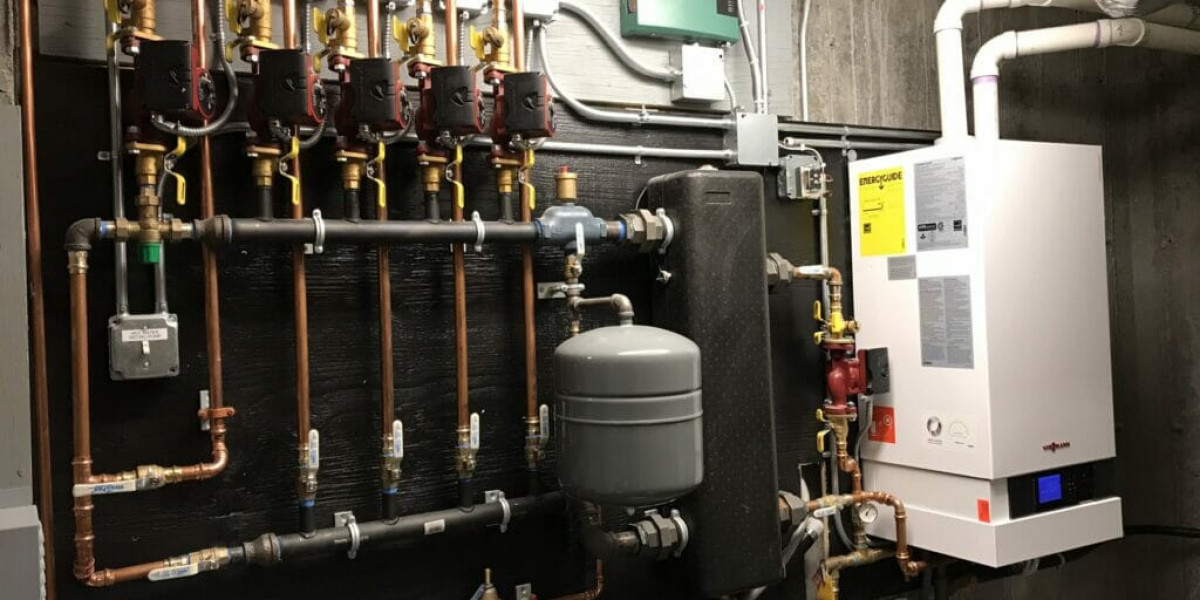

Replacing an old boiler does not always mean replacing the entire heating system. In many homes, radiators, pipework and existing controls can remain in use, provided they are suitable for the new appliance. The challenge is making sure the new boiler works properly with the equipment already installed.
For homeowners planning Boiler Installation in Croydon, the condition of the existing heating system deserves attention before the replacement begins. A new appliance cannot automatically correct problems caused by dirty water, restricted circulation or ageing components elsewhere in the installation.
Why the Existing Heating System Matters?
A boiler works as part of a connected system. Heated water circulates through pipework and radiators before returning to the appliance to be heated again.
Over time, heating systems can accumulate deposits, corrosion debris and other contamination. The amount present depends on the system's condition, previous maintenance and how it has been used.
If the existing installation has a history of uneven heating, frequent repairs or circulation problems, tell the installer before work starts. These details may influence which checks or preparation steps are appropriate.
A replacement should be planned around the condition of the complete heating arrangement, not just the appearance or age of the old boiler.
Check Whether the Radiators Are Still Performing Properly
Radiators often remain in a property for many years, even when the boiler is replaced more than once. Their condition can affect how effectively heat reaches different rooms.
Before installation, consider whether particular radiators have been slow to warm up, whether some rooms regularly remain colder than others or whether the system has needed repeated attention.
These symptoms do not prove that the radiators need replacing. They simply give the installer useful information about the existing setup.
Depending on the findings, some radiators may be suitable for continued use, while others could require separate maintenance. Ask whether the proposed installation includes any radiator-related work or whether it falls outside the quotation.
This helps set realistic expectations about what the new boiler is intended to improve.
Ask Whether the System Needs Cleaning
When an older heating system is connected to a new boiler, the installer may consider whether cleaning or another form of system preparation is necessary.
The appropriate method depends on the level of contamination, the system's condition and the manufacturer's requirements. Not every installation requires the same treatment, so a recommendation should be based on the actual circumstances.
Ask what the installer has identified and why any proposed cleaning is appropriate. If a system flush or other treatment is recommended, clarify whether the work is included in the Boiler Installation in Croydon quotation.
It is also useful to ask how the system will be protected against future corrosion. Depending on the installation, suitable water treatment and a compatible magnetic filter may form part of the recommended arrangements.
Understanding these details can help you distinguish necessary preparation from optional extras.
Do Not Overlook Existing Pipework
Pipework connects the boiler to the rest of the heating installation, yet it is easy to concentrate entirely on the appliance when planning a replacement.
During the initial assessment, the installer should consider whether the existing connections and pipework are suitable for the proposed system. If alterations are needed, ask what is involved and why they are necessary.
Older pipework does not automatically have to be replaced. The decision depends on its condition, layout, compatibility and the requirements of the new installation.
Make sure any expected changes appear clearly in the quotation. If additional work is discovered after the existing boiler has been removed, ask for an explanation and revised cost before approving work outside the original agreement.
Protect the New Boiler With Appropriate Water Treatment
A newly installed boiler is still connected to the water circulating around the heating system. If that water contains corrosion debris or the system is not maintained appropriately, problems elsewhere in the installation can affect its operation.
Installers may recommend suitable cleaning, corrosion-inhibiting treatment or filtration according to the system's condition and applicable manufacturer instructions.
Ask which measures are being provided as part of the installation and whether anything requires periodic inspection or maintenance. If a filter is fitted, understand how future servicing will address it.
These arrangements should be selected for the particular system rather than treated as identical requirements for every property.
Understand What the Installation Price Includes
A boiler replacement quotation should explain more than the price of the appliance. It should set out the installation work, relevant materials and any preparation or system treatment being offered.
Check whether the quotation includes removing the old boiler, adapting connections, commissioning the new appliance and providing the relevant documents.
If the installer recommends additional work, ask why it is necessary and whether it is essential to complete the installation safely and appropriately.
Comparing two quotations is easier when you know whether both cover the same tasks. A lower total may reflect a narrower scope of work, so check the details before making a decision.
Keep the New System in Good Condition
Once the installation is complete, retain the commissioning information, invoice and warranty documents. Ask the installer to explain the controls and identify any maintenance requirements specific to the new appliance or fitted accessories.
Annual servicing is common for domestic boilers, although the manufacturer's instructions should guide the appropriate schedule. Regular maintenance can help assess the appliance's condition, but it cannot guarantee that breakdowns will never occur.
If the installer has recommended follow-up work, keep a note of what remains outstanding and arrange it as advised. A clear maintenance record will also be useful when another engineer visits in the future.
For gas boiler installations, use a Gas Safe registered engineer whose registration covers the work being undertaken.
Frequently Asked Questions
Can I keep my existing radiators when installing a new boiler?
Often, yes. Their condition and suitability should be assessed before deciding whether repairs or replacements are needed.
Does every new boiler installation require a system flush?
No. The appropriate preparation depends on the existing system, its condition and the manufacturer's requirements.
Why might an installer recommend a magnetic filter?
A compatible filter can help capture certain circulating particles, including magnetic debris. Ask whether one is suitable for your installation and what maintenance it requires.
Will a new boiler fix cold radiators?
Not necessarily. The cause may involve radiator condition, circulation, controls or another part of the heating system.
Who can carry out boiler installation in Croydon?
Choose a Gas Safe registered engineer whose registration covers the installation work being performed.
Plan Beyond the Boiler Itself
A successful replacement depends on more than selecting a new appliance. The condition of the radiators, suitability of the pipework and preparation of the existing heating circuit can all influence the finished installation.
With Boiler Installation in Croydon, discussing these details beforehand helps you understand what work is required and what can reasonably remain in place. Clear recommendations, an itemised quotation and appropriate commissioning give you a better basis for maintaining the new boiler over time.