
Business owners often spend considerable time preparing for trade shows, networking events, store promotions, and exhibitions. They arrange their products, organize promotional materials, and prepare their teams to meet potential customers. Yet one important detail sometimes receives less attention than it deserves: how quickly visitors can understand what the business offers.
A crowded event floor leaves little room for confusing messages. People walk past displays, glance at signs, and decide whether something deserves their attention. When a business tries to explain everything through one display, visitors may struggle to identify its main service or offering.
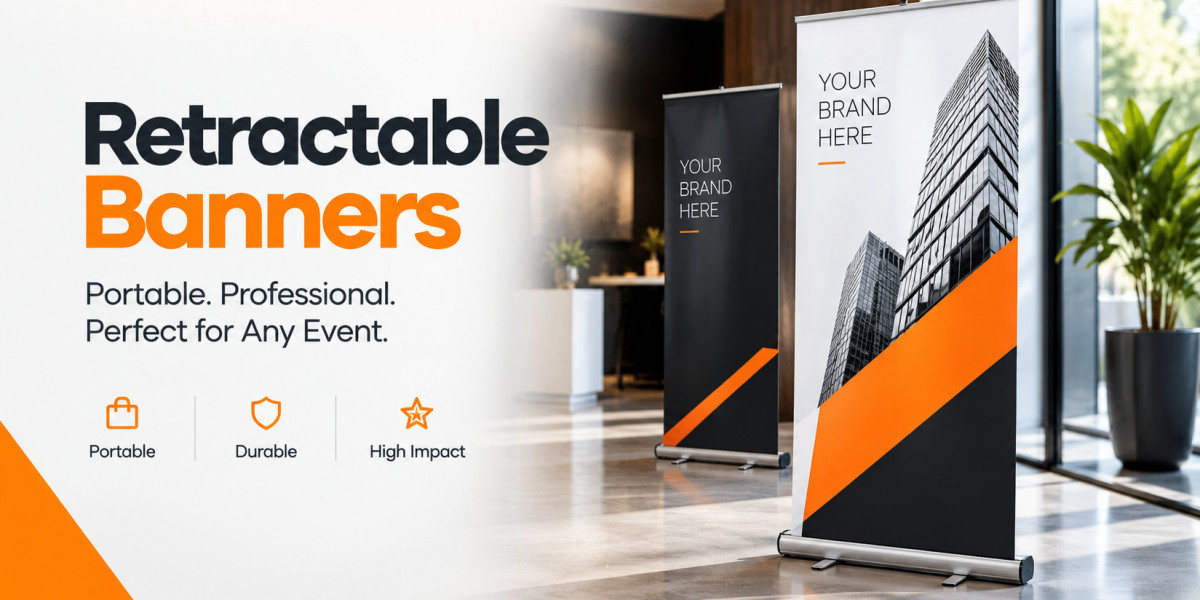
That's where Retractable Banners provide a practical communication tool. Their portable structure, vertical display area, and straightforward setup allow businesses to present essential information without complicated installations. However, the banner itself cannot solve a weak message. Clear writing, thoughtful design, and suitable placement determine how effectively it communicates.
We've seen how small design decisions can make promotional materials easier or harder to understand. A strong headline, readable typography, and a focused message often contribute more than additional graphics or lengthy descriptions. Understanding how to plan these elements helps businesses create banners that support real communication goals.
Why Clear Business Messaging Matters in Retractable Banner Design
Every promotional display has a limited opportunity to communicate. Whether someone encounters a banner at a trade show, inside a retail store, or near a reception desk, the message needs to make sense without requiring a lengthy explanation.
Businesses sometimes approach banner design as an opportunity to include every service, achievement, and contact detail. While that information may matter elsewhere, a portable banner offers limited space. The challenge involves deciding what visitors need to understand first.
Visitors Need to Understand Your Message Quickly
At busy events, visitors encounter signs from multiple businesses within a short distance. Most people cannot stop and read every display, especially when they have appointments, limited time, or specific destinations.
A banner should communicate the business's main offering through a short headline and a supporting statement. Visitors should not need to search through several paragraphs to understand what the company does.
We recommend reviewing a design from the perspective of someone unfamiliar with the business. If that person cannot understand the main message within a brief glance, the layout may need simplification.
One Clear Message Works Better Than Several Competing Ideas
A retractable banner cannot perform every marketing function at once. Asking it to introduce a company, explain multiple services, promote several discounts, and display extensive contact information usually creates visual clutter.
Instead, businesses should identify one primary communication goal. A banner might introduce a new service, explain a product category, direct visitors to a booth, or reinforce an established brand message.
Supporting content should relate directly to that goal. This approach makes the design easier to read and helps the business maintain a consistent message across its promotional materials.
How to Design Retractable Banners That Communicate Effectively
An effective retractable banner combines a clear message with a layout that supports natural reading. Visitors typically notice the most prominent visual elements first, followed by secondary information that provides context.
Good design does not require complicated artwork. It requires deliberate choices about typography, spacing, contrast, and content organization.
Start With a Short, Meaningful Headline
The headline should identify the main subject of the banner without creating unnecessary confusion. Businesses often favor clever slogans, but those phrases can become ineffective when visitors cannot connect them to a recognizable service.
For example, a commercial cleaning company might use "Professional Office Cleaning" instead of a vague statement about transforming spaces. The more specific headline helps visitors understand the service immediately.
We recommend keeping headlines short enough to read comfortably from a reasonable viewing distance. The exact font size depends on the banner dimensions, typeface, layout, and placement.
Organize Information With a Clear Visual Hierarchy
Visual hierarchy determines which elements visitors notice first. A practical business banner usually places the primary headline near the upper portion, followed by a brief supporting message and relevant contact information.
Font size, weight, contrast, and spacing help establish this order. When every line uses the same emphasis, visitors may struggle to identify the most important information.
We suggest reviewing the design at a reduced size on a screen and at a realistic viewing distance whenever possible. These checks help reveal whether the message remains understandable outside the design software.
Use White Space to Improve Readability
Businesses sometimes worry that unused space makes a banner look incomplete. In practice, sufficient spacing can make a display more organized and professional.
White space separates the headline, supporting text, images, and contact details. It also prevents competing elements from distracting visitors from the main message.
A banner does not need decorative shapes in every available area. We often recommend removing unnecessary elements before adding new ones, particularly when the original layout already feels crowded.
Choosing the Right Content for a Business Retractable Banner
A retractable banner should communicate essential information without requiring the reader to study it closely. Selecting that information can prove more challenging than designing the layout itself.
The most useful content depends on where the business plans to display the banner and what visitors already know about the company.
Include Only the Information Visitors Need
A typical business banner may contain a company name, primary service, short supporting statement, and a simple next step. Some displays also benefit from a product photograph or a clearly presented website address.
However, not every banner needs all these elements. An established business might prioritize a service announcement, while a new company may need stronger identification.
We recommend identifying the banner's purpose before writing the copy. That decision helps prevent unnecessary text and keeps the message relevant to the viewing environment.
Make the Call to Action Simple and Relevant
A call to action tells visitors what they can do after reading the banner. Depending on the setting, that action might involve visiting a booth, asking about a service, viewing a product demonstration, or accessing additional information online.
Businesses should avoid adding several competing instructions. Multiple calls to action can make the next step less obvious.
A concise phrase such as "Visit Our Booth" or "Explore Our Services" may provide enough direction. The wording should match the activity the business can support at that location.
Use QR Codes Only When They Serve a Clear Purpose
QR codes can connect physical displays with online information. They work particularly well when a business wants to share product catalogs, appointment pages, or additional resources without adding lengthy URLs.
However, a QR code should not replace the banner's main message. Visitors still need to understand why scanning it would be useful.
We recommend using a clear destination, leaving sufficient space around the code, and testing it from an appropriate distance before printing. Businesses should also maintain a readable alternative for visitors who prefer not to scan.
Where Businesses Can Use Retractable Banners Effectively
Retractable banners offer flexibility because businesses can transport them between locations and set them up without extensive display equipment. Their usefulness extends beyond exhibitions and trade shows.
Different environments require different messaging approaches. A banner that works at a crowded convention may need a different layout or message inside a quiet office reception area.
Trade Shows and Business Exhibitions
Trade shows bring together companies, suppliers, customers, and industry professionals. Businesses need signage that helps visitors recognize their booths and understand what they offer.
A retractable banner can support booth identification, service descriptions, or product presentations. Its vertical format also allows businesses to make use of limited floor space.
We recommend coordinating banner artwork with table coverings, brochures, and other booth materials. Consistent branding helps visitors recognize that the materials belong to the same business.
Retail Stores and Service Locations
Retailers can use retractable displays to introduce seasonal products, explain services, or direct attention toward a particular department. Service businesses may place them near entrances, waiting areas, or consultation spaces.
The placement should complement normal customer movement rather than interrupt it. A banner that blocks access or creates confusion can undermine its intended purpose.
Businesses should also consider viewing distance and lighting. A design that looks attractive on a computer monitor may require adjustments for a narrow hallway or brightly lit storefront.
Corporate Events, Training Sessions, and Conferences
Corporate events often require temporary signage that communicates information without permanent installation. Retractable banners can identify registration areas, highlight event themes, or provide directional guidance.
Organizations that host recurring training sessions may also benefit from reusable displays with consistent messages. This can reduce the need to create completely new signage for every event.
We recommend separating permanent information from event-specific details whenever possible. A reusable banner becomes less practical when it contains dates or information that quickly becomes outdated.
Common Retractable Banner Design Mistakes Businesses Should Avoid
Many banner problems begin before the printing stage. Businesses may supply attractive artwork that does not account for actual viewing conditions, print dimensions, or the available display area.
Understanding common mistakes helps business owners make better decisions before approving production.
Adding Too Much Text
One of the most common mistakes involves treating a banner like a brochure. Businesses add paragraphs, long lists of services, and multiple explanations because they want visitors to receive complete information.
Unfortunately, a tall display cannot offer the same reading experience as a brochure that someone holds in their hands. Dense text makes the banner harder to understand from a distance.
We recommend moving detailed explanations to printed handouts, websites, or digital resources. The banner should introduce the subject and help visitors decide whether they want additional information.
Using Low-Resolution Images
Product photographs and background images can improve a banner when they support the message. However, images from websites or social media may lack sufficient resolution for large-format printing.
Enlarging a small image can expose blur, compression artifacts, and other imperfections. These problems become especially noticeable in photographs with detailed textures or text.
Before design approval, businesses should confirm image quality with their print provider. We recommend checking the effective resolution at the final print size rather than relying only on how the image appears on a phone or computer.
Ignoring the Banner's Visible Area
Retractable banner stands contain a base mechanism that holds part of the printed material. Depending on the hardware, the bottom portion of the artwork may extend into the cassette or sit near the floor.
Designers who overlook the manufacturer's template risk placing important information too close to the base. The resulting display may hide or visually weaken part of the message.
We recommend using the correct template for the selected stand and keeping critical content within the recommended safe area.
Choosing Colors Without Considering Readability
Color influences the appearance of business signage, but visual appeal should not come at the expense of readability. Light text over a similarly light background can become difficult to read under event lighting.
The same problem occurs when text overlaps busy photographs. Even an attractive image can distract visitors from the message.
We suggest using sufficient contrast and testing the design in conditions that resemble its intended location. Brand colors can guide the palette while still allowing adjustments that improve clarity.
How Banner Materials and Printing Quality Affect the Final Display
A well-designed banner still needs suitable materials and production methods. The printing process influences how colors appear, how the surface handles reflections, and how well the display performs through repeated use.
Businesses should discuss their actual usage requirements with the printer instead of choosing a product based only on the lowest initial price.
Selecting Materials for Indoor Business Displays
Retractable banners often use printable films, polypropylene-based media, or other materials that suit roll-up display systems. Available choices vary by printer, hardware, and intended use.
A suitable material should work with the stand's tension mechanism and remain reasonably flat during display. Surface finish also matters, particularly in spaces with strong overhead lighting.
We recommend asking the print provider about material compatibility, opacity, finish, and expected handling conditions. These details can influence the final appearance more than businesses initially expect.
Understanding Matte and Glossy Finishes
Matte finishes can reduce distracting reflections under bright indoor lighting. They often suit information-heavy designs that rely on readable text and restrained colors.
Glossy surfaces may create a different visual effect, but reflections can interfere with readability depending on the placement and lighting.
Neither finish automatically suits every project. We encourage businesses to consider where the banner will stand and how visitors will view it before making the decision.
Checking Print Files Before Production
A print-ready banner file requires correct dimensions, sufficient image resolution, suitable color preparation, and appropriate margins. Missing fonts, incorrect proportions, or poor-quality graphics can cause production complications.
We recommend confirming the printer's preferred file format and specifications before submitting the final artwork. PDF files often work well, although individual providers may have different requirements.
A careful proofing process should include spelling, contact information, visual alignment, brand colors, and final dimensions. Teams should complete these checks before production rather than assume the printer will identify every content error.
Retractable Banners vs. Other Business Signage Options
Retractable displays provide a useful combination of portability and presentation, but they do not suit every environment. Businesses should compare them with other signage options based on how frequently they plan to use the display and where they intend to place it.
Cost, installation requirements, storage, and visibility all influence the decision.
Retractable Banners vs. Vinyl Banners
Traditional vinyl banners can work well for large surfaces, temporary installations, and locations where businesses can attach signage securely. They provide flexibility in size but may require additional mounting equipment.
Retractable banners include a stand and storage mechanism, making them convenient for portable indoor displays. They generally require less setup effort than banners that need separate hanging or fastening systems.
The better option depends on the available space and installation conditions. We recommend comparing the complete setup requirements rather than focusing only on printed material costs.
Retractable Banners vs. Pop-Up Displays
Pop-up displays can create larger branded backgrounds for exhibition booths. They often provide more visual coverage but may require additional components, storage space, and setup time.
Retractable banners occupy less space and usually offer simpler transport. Small businesses attending occasional events may find this particularly convenient.
Organizations with larger booths may use both options together. A pop-up background can establish the main visual environment, while a retractable banner communicates a specific service or provides directional information.
How to Plan Retractable Banner Printing for Better Budget Control
Business owners often balance quality expectations against limited marketing budgets. A banner may need to support several events, withstand repeated transportation, and remain useful as promotional priorities change.
Considering these requirements early can reduce unnecessary replacement costs and last-minute production expenses.
Decide Whether the Design Will Be Reusable
A banner that contains general service information may remain useful longer than one featuring a short-term promotion. Businesses should evaluate how frequently their pricing, product offerings, or marketing messages change.
When the message changes often, a reusable hardware system may offer more flexibility if the manufacturer supports replacing the graphic. However, not every retractable stand allows easy replacement.
We recommend confirming replacement options and costs before purchasing the hardware. This helps businesses understand the long-term expense of maintaining their displays.
Compare Printing Methods and Order Quantities
Printing requirements can differ substantially between a single display and a coordinated order for multiple branches or event locations. Businesses should compare production costs, material specifications, and turnaround requirements.
Digital printing often provides practical flexibility for custom signage, but production economics can change with quantities and project requirements. Understanding print-on-demand limitations can help businesses evaluate when a different production approach deserves consideration.
We encourage organizations to provide complete order details when requesting quotes. Clear specifications help printers recommend suitable options and prepare more accurate estimates.
Build a Realistic Production Schedule
Banner printing involves artwork review, file preparation, production, finishing, and delivery. Businesses sometimes account for printing time but overlook approval delays or shipping requirements.
This becomes particularly challenging when an exhibition or opening event has a fixed date. A late artwork revision may affect the production schedule more than expected.
We recommend establishing internal approval deadlines and confirming the printer's production calendar in advance. A reasonable scheduling margin gives the team room to resolve unexpected issues.
Maintaining and Storing Retractable Banners for Repeated Use
Portable signage offers practical value when businesses maintain it properly. Careless handling can damage the printed graphic or the retracting mechanism, even when the banner uses durable materials.
Basic maintenance habits help protect the display between events and reduce avoidable replacement expenses.
Handle the Retracting Mechanism Carefully
Retractable stands use an internal spring mechanism that pulls the printed graphic into the base. Rapid or uncontrolled retraction can damage the material or interfere with the mechanism.
We recommend guiding the banner slowly into the cassette and following the hardware manufacturer's instructions during assembly and removal.
Businesses should also ensure the support pole and connecting components fit correctly. Forcing an incompatible part can damage the display.
Keep the Printed Surface Clean
Dust, fingerprints, and marks can affect the appearance of a banner over time. However, different print materials and ink systems require different cleaning approaches.
We suggest asking the print provider for material-specific cleaning instructions before using water, detergents, or cleaning products. Harsh chemicals and abrasive cloths can damage certain printed surfaces.
Testing the recommended cleaning method on a small, inconspicuous area can help reduce the risk of visible damage.
Store Banners in Suitable Conditions
A carrying case helps protect the stand during transport and storage. Businesses should keep displays away from excessive heat, moisture, and conditions that could damage the printed graphic.
We recommend checking the stand before each event rather than discovering mechanical problems during setup. A quick inspection can identify loose components, damaged poles, or other issues.
Organizations that manage multiple banners should also label their cases clearly. This simple habit helps staff select the correct display without opening every package.
Frequently Asked Questions About Retractable Banners
1. What information should a business include on a retractable banner?
A business retractable banner should communicate one clear message through a readable headline, short supporting text, and relevant branding. Depending on the purpose, businesses may also include a website, QR code, or simple call to action. We recommend avoiding lengthy service descriptions and keeping the most important information visible from a reasonable distance.
2. What size retractable banner works best for business events?
Common retractable banner widths include approximately 24, 33, and 36 inches, although dimensions vary by manufacturer. A 33-inch-wide display often provides a practical balance between visibility and portability for many indoor events. Businesses should confirm the available floor space, display height, and exact hardware specifications before choosing a size.
3. Can businesses reuse retractable banners for multiple events?
Yes, businesses can reuse retractable banners when the printed message remains relevant and the hardware stays in good condition. Proper handling, careful transportation, and suitable storage help extend their practical service life. We recommend avoiding event-specific dates on banners that the organization plans to use repeatedly.
4. How can businesses make retractable banners easier to read?
Businesses can improve readability through short headlines, strong color contrast, clear typography, and sufficient spacing. Important information should appear prominently rather than compete with decorative graphics. We recommend checking the artwork at realistic viewing distances and removing unnecessary content before approving the final print file.
Conclusion: Clear Messages Make Retractable Banners More Useful
Retractable banners provide businesses with a practical way to communicate at trade shows, retail locations, conferences, and corporate events. Their portability makes them convenient, but effective communication depends on the quality of the message and the decisions behind the design.
We've found that thoughtful preparation makes a meaningful difference in print projects. Businesses benefit when they define one clear goal, prioritize readable content, choose suitable materials, and review production specifications before submitting artwork. These decisions help avoid unnecessary revisions and support a more consistent presentation.
At Laguna Digital , we recognize the importance of connecting design decisions with practical printing requirements. A successful banner should communicate clearly, fit its intended environment, and serve the business without unnecessary complexity.
Before ordering your next retractable banner, review the message you want visitors to understand, the space where you'll display it, and the quality of the artwork you plan to print. If you need guidance on materials, dimensions, or production preparation, consult an experienced printing provider to help you make an informed decision.