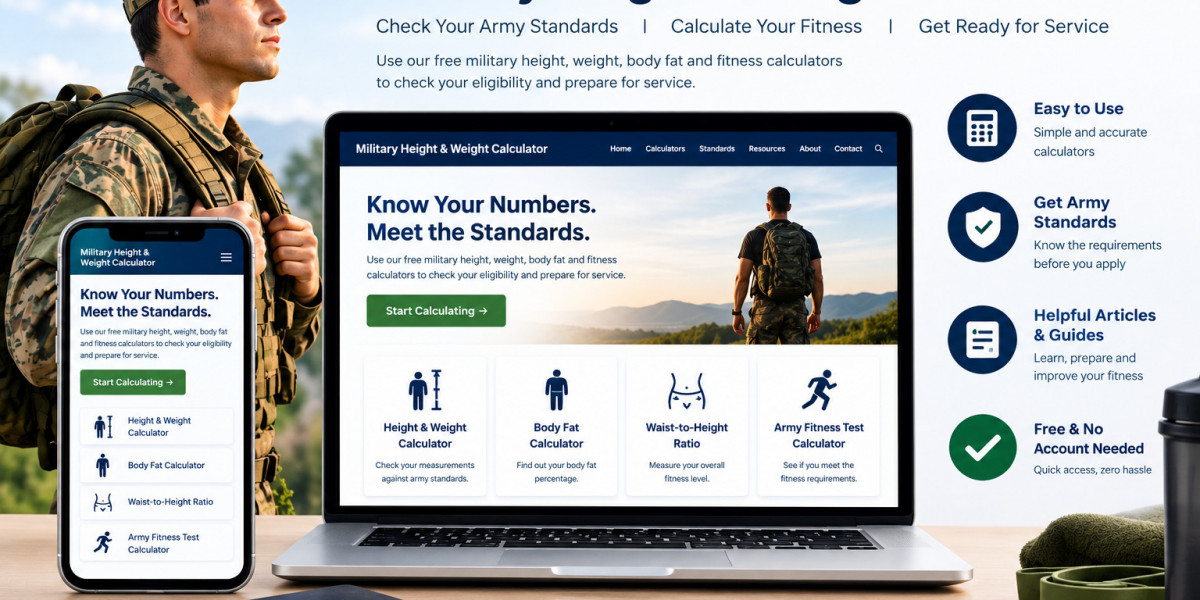

Army Height and Weight Chart: A Complete Guide
Every soldier who wears the uniform has to meet certain physical standards, and the Army height and weight chart is one of the first benchmarks recruits and active-duty members encounter. Whether you're preparing to enlist or you're already serving and want to stay within regulation, understanding how these standards work can save you a lot of stress down the road.
This guide breaks down what the Army height and weight chart actually measures, how it's used, and what to do if you fall outside the standard range. We'll also cover the body fat percentage component, since weight alone doesn't tell the whole story.
What Is the Army Height and Weight Chart?
The Army height and weight chart is part of the Army Body Composition Program (ABCP), outlined in Army Regulation 600-9. It sets the maximum allowable weight for soldiers based on their height, age, and gender. The goal isn't to enforce a single "ideal" body type—it's to ensure soldiers maintain the physical readiness needed for military service.
Unlike a simple BMI calculator, the Army's system factors in muscle mass and body composition, which is why soldiers who exceed the initial weight screening aren't automatically considered overweight. Instead, they move to the next step: a body fat assessment.
Why Does the Army Use a Weight Standard?
Physical readiness is central to military effectiveness. Soldiers need to be able to carry heavy equipment, pass fitness tests, and perform under physically demanding conditions. The height and weight chart acts as an initial screening tool to flag soldiers who may need a closer look at their overall fitness and health.
How the Screening Process Works
Initial Weigh-In: Soldiers are weighed and compared against the maximum weight allowed for their height, age, and gender.
Body Fat Assessment: If a soldier exceeds the screening weight, the Army uses a tape test to measure body fat percentage at specific sites on the body (typically the neck and waist for men, and neck, waist, and hip for women).
Compliance Determination: Soldiers who fall within the allowable body fat percentage—even if they exceed the weight chart—are considered compliant. Those who exceed both thresholds may be enrolled in the Army Body Composition Program for additional support and monitoring.
Does the Chart Account for Muscle Mass?
Yes. This is one of the most misunderstood aspects of the Army height and weight chart. Because muscle weighs more than fat, some soldiers—particularly those with significant muscle mass—may exceed the weight chart while still maintaining a healthy, low body fat percentage. The tape test exists specifically to account for this, ensuring muscular soldiers aren't unfairly flagged.
What Happens If You Don't Meet the Standard?
Soldiers who exceed both the weight and body fat standards are typically enrolled in the ABCP. This isn't a punishment—it's a structured program designed to help soldiers reach compliance through nutrition counseling, fitness guidance, and regular reassessments. Soldiers are given a reasonable timeframe to show progress, and the program emphasizes support over discipline.
Failure to make adequate progress, however, can affect a soldier's career, including eligibility for promotions, schools, and certain assignments. In more serious or prolonged cases, it can even impact retention.
Where Can You Find the Most Current Chart?
Because height and weight standards are periodically reviewed and updated, the most accurate and current figures will always come directly from official Army sources, such as AR 600-9 or your unit's chain of command. Recruiters and current soldiers should rely on official documentation rather than third-party charts, which may not reflect the latest regulation updates.
FAQs
Is the Army height and weight chart the same for men and women?
No. The chart—and the associated body fat percentage standards—differ by gender, since body composition standards account for typical physiological differences.
Can I enlist if I exceed the weight chart?
Possibly. If you exceed the initial screening weight, you'll undergo a body fat assessment. Meeting the body fat percentage standard can still qualify you for enlistment, even if your weight exceeds the chart.
Does the Army height and weight chart change as you age?
Yes. Maximum allowable weight and body fat percentage standards are typically broken into age brackets, recognizing that body composition naturally shifts over time.
What's the difference between the weight chart and the body fat standard?
The weight chart is an initial screening tool based on height. The body fat standard, measured through the tape test, provides a more accurate picture of a soldier's physical condition and is used when someone exceeds the weight chart.
Who enforces the Army Body Composition Program?
Unit leadership, in coordination with medical and fitness personnel, oversees compliance and enrollment in the ABCP for soldiers who don't meet the required standards.
Know Where You Stand
The Army height and weight chart is just one piece of a broader system designed to keep soldiers physically ready for duty. If you're preparing to enlist or want to confirm your current status, talk to a recruiter or your unit's physical fitness leadership for the most up-to-date standards. Staying informed now can help you avoid surprises and keep your military career on track.