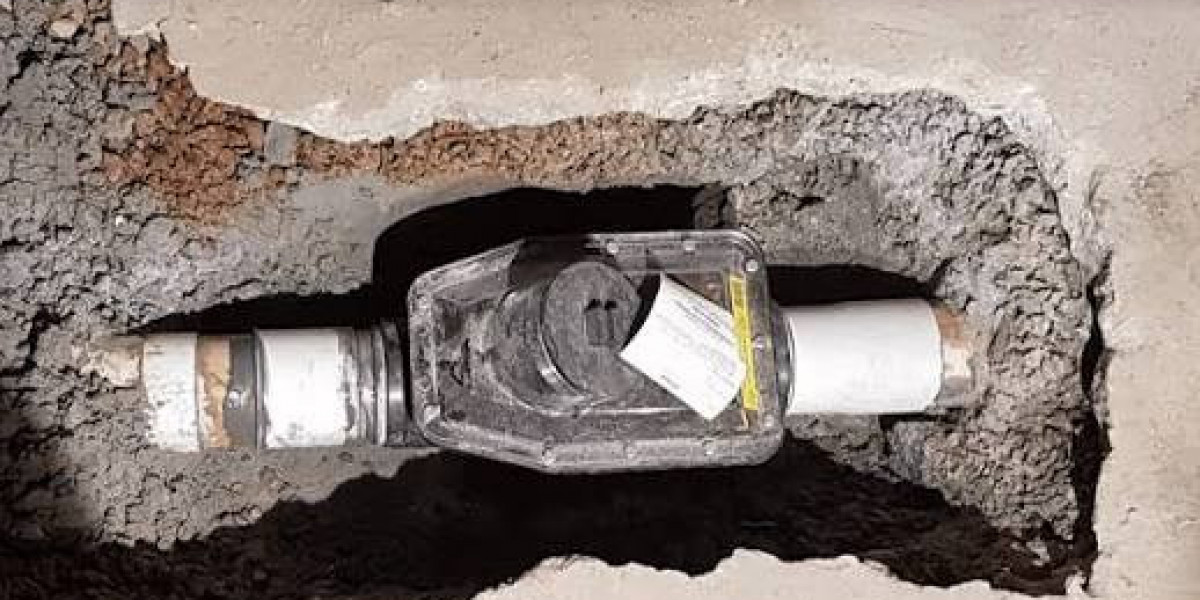

Backwater valves help protect homes from wastewater flowing backward through sewer pipes. They provide an important layer of protection against basement flooding and sewage damage. Understanding how these devices work helps homeowners make informed plumbing decisions. Professional installation and regular maintenance also support reliable sewer protection.
Why Backwater Valve Is Important for Home Protection
A sewer backup can cause serious problems for homeowners. Wastewater may enter basement bathrooms, floor drains, and laundry areas. Consequently, contaminated water can damage flooring, furniture, walls, and personal belongings.
A backwater valve helps reduce this risk by controlling wastewater movement. The valve allows wastewater to flow outward under normal conditions. However, when sewer water moves backward, the valve closes to restrict reverse flow.
A properly selected backwater valve sewer system provides additional protection during sewer overloads. Heavy rainfall, municipal sewer blockages, and restricted drainage can increase backup risks.
Professional plumbers inspect the existing sewer connection before recommending installation. They also evaluate valve accessibility, pipe condition, and local plumbing requirements.
What Is a Backwater Valve
A backwater valve is a plumbing device installed within a drainage system. Its main purpose involves preventing wastewater from returning through connected pipes.
Under normal conditions, wastewater passes through the valve toward the municipal sewer. When reverse flow occurs, the internal flap or closing mechanism restricts wastewater movement.
This protection can help prevent sewage from entering vulnerable basement fixtures. However, homeowners must maintain the valve regularly for reliable performance.
How Does a Backwater Valve Work
A backwater valve uses a moving flap or similar mechanism. During normal drainage, wastewater pushes the mechanism open. Water then travels toward the main sewer connection.
When sewage attempts to move backward, the mechanism closes. This action helps prevent wastewater from entering the property.
However, a closed valve also temporarily prevents connected fixtures from draining outward. Therefore, homeowners should avoid using connected plumbing fixtures during a sewer backup.
Why Basement Backwater Valve Protection Matters
Basements often contain plumbing fixtures below the municipal sewer level. Consequently, these areas may face increased sewer backup risks during certain conditions.
A basement backwater valve helps protect vulnerable drainage connections. It can reduce the possibility of contaminated water entering basement spaces.
Homeowners with basement bathrooms, laundry rooms, and floor drains should discuss suitable protection with a qualified plumber.
When Should You Consider Backwater Valve Installation
Certain warning signs may indicate that your property needs additional sewer protection.
Consider professional advice when:
Your basement has experienced previous sewer backups.
Wastewater enters through basement floor drains.
Heavy rainfall frequently causes drainage problems.
Your property has basement plumbing fixtures.
Nearby sewer systems experience repeated blockages.
Your home requires plumbing upgrades or renovations.
An experienced plumber can inspect your drainage system and recommend suitable options.
How Back Water Valve Installation Protects Your Basement
Proper back water valve installation requires careful planning and suitable plumbing knowledge. Installers first identify the main building drain and examine existing pipe conditions.
Next, they determine the appropriate installation location. The valve must remain accessible for inspection, cleaning, and maintenance.
Professional installation also considers local building requirements and municipal regulations. These steps help ensure the valve operates correctly when reverse flow occurs.
What Happens During Professional Installation
A plumber begins by inspecting the property's sewer drainage arrangement. They identify suitable locations and evaluate the condition of existing pipes.
Depending on the installation design, the plumber may need to access underground drainage pipes. They then install the valve according to applicable requirements.
After installation, the plumber checks the valve mechanism and drainage flow. They also explain maintenance procedures and inspection schedules.
How to Choose the Right Backwater Valve
Choosing the correct valve depends on several plumbing factors.
Homeowners should consider:
Existing sewer pipe diameter.
Drainage system configuration.
Expected wastewater flow.
Installation location and accessibility.
Manufacturer specifications.
Applicable local plumbing requirements.
A professional plumber can evaluate these factors before recommending equipment.
Why Professional Installation Is Better
Incorrect installation may reduce valve performance and create drainage complications. Poor positioning can also make future maintenance difficult.
Professional plumbers understand drainage connections and installation requirements. They can identify damaged pipes and recommend necessary repairs.
Furthermore, experienced installers check the valve after completing the work. This process helps homeowners understand how their protection system operates.
When Should You Inspect Your Backwater Valve
Regular inspections help identify debris, corrosion, and mechanical problems. A blocked or damaged valve may fail to close properly.
Homeowners should follow manufacturer recommendations and arrange professional inspections when necessary. After a sewer backup, an inspection becomes especially important.
What Other Plumbing Services Support Basement Flood Protection
Backwater valves provide important sewer protection. However, other plumbing systems can also help reduce basement water problems.
A sump pump, for example, manages groundwater that collects around or beneath a building. Drain cleaning also helps maintain wastewater movement through household pipes.
Understanding these services helps homeowners develop a more complete basement protection plan.
Why Sump Pump Installation Is Important
A sump pump removes accumulated groundwater from a designated collection pit. It then directs the water away from the property's foundation through a discharge pipe.
Professional sump pump installation helps protect basements from groundwater accumulation. It can also reduce moisture problems during periods of heavy rainfall.
However, a sump pump and backwater valve serve different purposes. A sump pump handles groundwater, while a backwater valve helps prevent sewer wastewater from flowing backward.
How to Choose a Plumber Sump Pump Specialist
A qualified plumber sump pump specialist understands basement drainage and groundwater management.
Before installation, the plumber examines the basement and existing drainage arrangement. They also consider pump capacity, discharge location, and electrical requirements.
Homeowners should discuss backup power options when planning a new system. A battery backup may provide additional protection during certain power outages.
When to Search for Sump Pump Installation Near Me
Homeowners may need professional assistance when their basements experience recurring water accumulation.
Search for sump pump installation near me when you notice:
Water collecting around basement floors.
Persistent moisture near foundation walls.
Frequent sump pit water accumulation.
A pump that struggles to remove water.
Unusual noises during pump operation.
Existing equipment showing signs of damage.
A professional inspection helps determine whether installation or replacement makes sense.
Why Hire a Plumber for Sump Pump Installation
Hiring a plumber for sump pump installation helps ensure correct equipment selection and drainage connections.
A professional checks the sump pit, discharge piping, and pump operation. They also explain maintenance requirements and warning signs.
Proper installation supports effective groundwater management. Additionally, regular testing helps identify problems before heavy rainfall arrives.
How Drain Cleaning Services Help Prevent Sewer Problems
Sewer blockages can increase drainage problems throughout residential plumbing systems. Grease, debris, foreign objects, and tree roots may restrict wastewater movement.
Professional drain cleaning services help remove accumulated materials from household pipes. Regular maintenance also supports better drainage performance.
Homeowners should address slow drains and recurring blockages before they become serious problems.
What Is Sewer Drain Cleaning
Sewer drain cleaning involves removing materials that restrict wastewater movement through sewer pipes.
Professional plumbers use suitable cleaning equipment depending on the blockage. They may recommend mechanical cleaning or other appropriate methods.
Regular cleaning helps maintain drainage performance. However, repeated blockages may indicate damaged pipes or deeper sewer problems.
How to Choose a Reliable Sewer Cleaning Company
A professional sewer cleaning company should understand residential drainage systems and modern inspection methods.
Before hiring a company, consider these factors:
Relevant plumbing experience.
Proper diagnostic equipment.
Clear service explanations.
Knowledge of local plumbing requirements.
Suitable cleaning methods.
Maintenance recommendations.
Ask the plumber to explain the cause of recurring blockages. Understanding the problem helps homeowners choose effective repairs.
Why Drain Camera Inspection Services Matter
Traditional drain inspections cannot always identify problems deep inside underground pipes. Consequently, professional drain camera inspection services can provide useful information.
A plumber inserts a specialized waterproof camera into the drainage system. The camera displays the internal condition of the pipe.
This inspection can identify:
Tree root intrusion.
Cracked or damaged pipes.
Grease and debris buildup.
Pipe separation.
Corrosion and deterioration.
Recurring blockage locations.
Accurate information helps plumbers recommend suitable cleaning or repair solutions.
When to Schedule Sewer Line Camera Inspection
A professional sewer line camera inspection can help identify hidden drainage problems before repairs begin.
Consider scheduling an inspection when:
Sewer drains repeatedly become blocked.
Multiple household drains operate slowly.
Wastewater creates unpleasant smells.
Your basement experiences recurring backups.
Tree roots may affect underground pipes.
You are purchasing an older property.
Camera inspections help plumbers understand the actual condition of sewer lines. Therefore, they can recommend targeted solutions instead of unnecessary repairs.
Practical Tips for Maintaining Backwater Valves and Sewer Systems
Regular maintenance helps protect your home's drainage system. Homeowners can follow several simple practices to reduce plumbing problems.
Keep the valve accessible. Avoid covering inspection openings with permanent flooring or heavy objects.
Arrange regular inspections. Ask a qualified plumber to examine the valve mechanism and internal components.
Remove visible debris safely. Follow manufacturer instructions and avoid damaging moving parts.
Avoid pouring grease into drains. Grease can collect inside pipes and restrict wastewater movement.
Watch for slow drainage. Multiple slow drains may indicate a larger sewer problem.
Maintain your sump pump. Test the pump according to manufacturer recommendations and inspect its discharge line.
Consider backup power. A suitable backup system may help your sump pump operate during power interruptions.
Schedule professional drain cleaning. Regular maintenance helps reduce debris accumulation inside drainage pipes.
Investigate repeated sewer backups. Recurring problems may indicate damaged pipes, root intrusion, or municipal sewer issues.
Understand your plumbing system. Know where your main shutoff valves and accessible drainage inspection points are located.
Frequently Asked Questions About Backwater Valves
What Is the Main Purpose of a Backwater Valve?
A backwater valve helps prevent sewage from flowing backward into household drainage pipes. It provides additional protection against basement sewer backups.
Does Every House Need a Backwater Valve?
Not every property has the same sewer backup risk. A professional plumber can assess your drainage system and recommend suitable protection.
Where Should a Backwater Valve Be Installed?
The installation location depends on the property's drainage layout and local requirements. A plumber identifies a suitable accessible location.
How Much Maintenance Does a Backwater Valve Require?
Maintenance depends on the valve model and manufacturer instructions. Regular inspections help identify debris, mechanical problems, and damaged components.
Can a Backwater Valve Prevent All Basement Flooding?
No. A backwater valve helps prevent sewer wastewater from flowing backward. It does not prevent groundwater flooding or rainwater entering through foundation walls.
What Is the Difference Between a Backwater Valve and a Sump Pump?
A backwater valve restricts reverse sewage flow through drainage pipes. A sump pump removes accumulated groundwater from a basement collection pit.
When Should I Replace My Backwater Valve?
Consider replacement when the valve develops cracks, corrosion, mechanical failure, or repeated operational problems. A plumber can inspect its condition.
Can Drain Cleaning Improve Backwater Valve Performance?
Professional drain cleaning removes blockages from connected drainage pipes. However, cleaning does not replace proper valve inspection and maintenance.
Why Is a Sewer Camera Inspection Useful?
A camera inspection helps identify cracks, tree roots, pipe separation, and blockages. It also helps plumbers recommend suitable repairs.
Should I Install a Backwater Valve During Basement Renovations?
Basement renovations provide a useful opportunity to review existing sewer protection. Ask a professional plumber whether your property needs additional protection.
Final Verdict
Backwater valves provide valuable protection against sewage entering residential properties. Proper backwater valve installation helps reduce basement sewer backup risks and protects important household spaces.
Furthermore, combining suitable basement backwater valve protection with regular drainage maintenance supports better plumbing performance. Homeowners should also understand the benefits of sump pump installation, professional drain cleaning, and sewer camera inspections.
Whether you need back water valve installation, drain cleaning services, or a plumber for sump pump installation, professional guidance helps you choose appropriate solutions.
Aquasetic Plumbing & Drains provides plumbing solutions for homeowners who need dependable drainage and sewer protection. The team can help you understand your plumbing requirements and explore suitable installation and maintenance options.
For professional plumbing assistance, contact Aquasetic Plumbing & Drains using the following details.
Business Name: Aquasetic Plumbing & Drains
Address: 72 Munro Cir, Brantford, ON N3T 0R2, Canada
Primary Phone: (519) 761-8806
Email: aquaseticplumbing@gmail.com