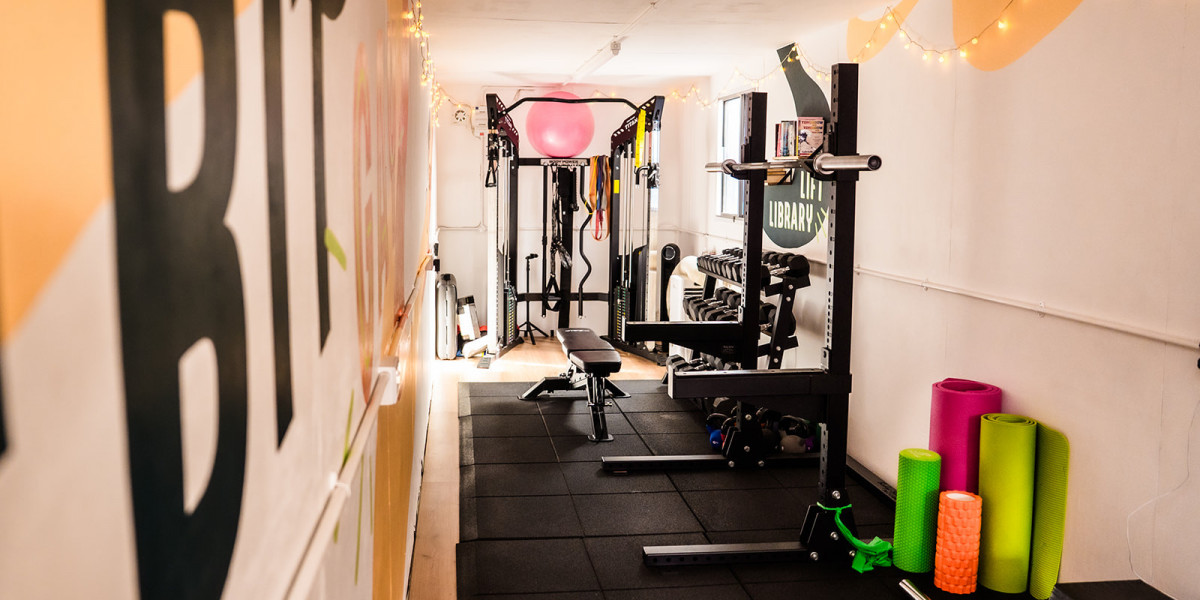

Improving physical fitness is about more than simply spending time in the gym. It involves developing healthy habits, following a structured exercise programme, maintaining consistency and understanding what your body needs to progress. Whether someone wants to lose weight, build muscle, improve stamina or become more physically active, having the right guidance can make the journey more manageable and rewarding.
Manchester offers a wide range of opportunities for people who want to improve their fitness. However, choosing suitable exercises, maintaining motivation and following a balanced routine can sometimes feel challenging, particularly for beginners. A structured approach helps individuals understand their starting point, establish realistic goals and make steady improvements without placing unnecessary pressure on themselves.
Working with a personal trainer Manchester residents can access through a professional fitness centre can provide valuable support throughout this process. Individual guidance, suitable exercise selection and regular progress reviews help create a more organised training experience. Rather than following random workouts, individuals can work towards clearly defined objectives while developing habits that support their long-term wellbeing.
Understanding the Importance of Personal Fitness Training
Personal fitness training provides structured guidance for people with different abilities, experience levels and physical goals. Instead of expecting everyone to follow the same exercise routine, a suitable training approach considers individual requirements, preferences and current fitness levels.
Some people may want to improve their strength, while others might be interested in cardiovascular fitness, flexibility or general physical conditioning. Therefore, understanding personal objectives is an important first step towards creating an effective exercise programme.
Training Based on Individual Goals
Every individual has different reasons for becoming more active. For example, someone preparing for a sporting event may need exercises that develop speed, coordination and endurance. Meanwhile, someone returning to exercise after a long break may benefit from gradually increasing their activity levels.
A well-planned programme considers these differences and establishes achievable milestones. It also allows exercises to become more challenging as strength, confidence and physical ability improve.
Building Confidence Through Professional Guidance
Starting a new fitness routine can feel uncomfortable, especially for people who have limited gym experience. Understanding how to use equipment, perform movements correctly and organise workout sessions can take time.
Professional guidance helps individuals become more familiar with different exercises. Clear instructions and appropriate demonstrations can also improve confidence and encourage safer training habits.
Benefits of Working with a Professional Fitness Trainer
A structured training environment offers several advantages beyond simply completing exercises. It creates opportunities to learn, monitor improvements and develop a more consistent approach to physical activity.
Improved Exercise Technique
Correct technique is important when performing resistance exercises, cardiovascular activities and functional movements. Poor movement patterns can reduce exercise effectiveness and may increase the risk of discomfort or injury.
A knowledgeable trainer can demonstrate appropriate positioning, explain movement patterns and provide feedback during exercises. This guidance helps individuals understand how to perform movements more effectively.
For beginners, learning correct techniques early can establish a strong foundation for future training. More experienced individuals can also benefit from reviewing their form and identifying areas that require improvement.
Greater Motivation and Consistency
Maintaining motivation is one of the common challenges associated with fitness programmes. Initial enthusiasm may decrease when progress appears slow or everyday responsibilities interrupt a workout schedule.
Having planned training sessions can provide additional structure and accountability. Regular progress discussions also help individuals recognise improvements that might otherwise go unnoticed.
Furthermore, setting realistic targets creates smaller achievements along the way. These milestones can encourage people to remain committed even when their overall goals require several months of consistent effort.
A More Organised Exercise Routine
An effective workout programme should have a clear purpose. Randomly selecting exercises without considering their relationship to individual goals may lead to an unbalanced routine.
A structured approach considers exercise selection, training frequency, recovery periods and gradual progression. This makes it easier to understand what each session is designed to achieve.
Different Types of Fitness Training to Consider
In addition to personal trainer Manchester fitness is a broad subject that includes several forms of physical activity. Combining appropriate training methods can support overall conditioning and help individuals develop a more balanced level of fitness.
Strength and Resistance Training
Strength training involves working against resistance to develop muscular strength and physical capacity. Common exercises include squats, lunges, presses, rows and controlled resistance movements.
Depending on someone's experience and objectives, resistance may come from free weights, machines, resistance bands or bodyweight exercises.
A suitable programme gradually develops strength while allowing enough recovery between challenging sessions. Exercise difficulty should reflect the individual's current ability rather than being based on unrealistic expectations.
Cardiovascular Conditioning
Cardiovascular exercise supports heart and lung fitness while improving the body's ability to sustain physical activity.
Activities such as walking, cycling, jogging, rowing and other aerobic exercises can form part of a balanced fitness programme.
The appropriate intensity depends on personal ability, health considerations and training objectives. Beginners can often start with manageable sessions before gradually increasing their activity duration or intensity.
Functional Fitness Training
Functional training focuses on movement patterns used in everyday activities and sports. These may include pushing, pulling, bending, lifting, carrying and maintaining balance.
Such exercises can help individuals develop coordination, stability and general movement confidence.
For example, controlled squats can develop lower-body strength, while suitable carrying exercises can challenge grip strength and core stability. Exercises should always be selected according to individual capability and performed with appropriate technique.
Mobility and Flexibility Work
Mobility and flexibility are valuable elements of a complete fitness routine. They can support comfortable movement and help individuals work towards maintaining a useful range of motion.
Dynamic movements may be included during warm-ups, while suitable flexibility exercises can form part of a cool-down or separate mobility session.
These activities should complement strength and cardiovascular training rather than being treated as a replacement for other forms of exercise.
How to Choose the Right Fitness Programme in Manchester
Selecting an appropriate training programme requires more than choosing a convenient gym or the most challenging workout. Individuals should consider their goals, experience, preferences and the type of guidance available.
Identify Your Main Fitness Objective
Begin by deciding what you want to achieve. Common objectives include:
Improving general physical fitness.
Developing muscular strength.
Increasing cardiovascular endurance.
Supporting gradual and sustainable weight management.
Improving balance, coordination and mobility.
Preparing for a sporting or physical performance challenge.
Establishing a regular exercise routine.
Having a clear objective makes it easier to choose relevant exercises and measure progress.
Consider Your Current Fitness Level
Your starting point should influence the difficulty and structure of your programme. Someone who exercises regularly may be ready for more demanding sessions, whereas a beginner may need to develop basic movement skills first.
It is also important to consider previous injuries, existing health concerns and any physical limitations. Where necessary, individuals should seek advice from an appropriate healthcare professional before starting or changing an exercise programme.
Look for Suitable Training Facilities
The training environment can influence how comfortable and consistent someone feels during exercise.
When considering a fitness centre, look at the available equipment, cleanliness, accessibility, atmosphere and range of training options. It is also worth checking whether the facility provides suitable support for different experience levels.
Convenient access can make a difference because a realistic training schedule is easier to maintain when travelling arrangements fit around everyday responsibilities.
Creating a Sustainable Fitness Routine
Long-term fitness improvements usually develop through consistent habits rather than short periods of extreme activity. A realistic programme should fit around work, family commitments, rest and other responsibilities.
Establish a Manageable Weekly Schedule
Training frequency should reflect individual circumstances and recovery requirements. Some people may prefer shorter sessions throughout the week, while others might organise their exercise around fewer, longer visits.
The important consideration is consistency. A manageable schedule that someone can maintain is generally more useful than an ambitious routine that becomes difficult to follow.
Allow Time for Rest and Recovery
Recovery is an essential part of physical training. Muscles and other body systems need time to adapt after demanding exercise sessions.
Sleep, appropriate nutrition, hydration and rest days all contribute to the recovery process.
Training continuously without sufficient recovery may increase fatigue and reduce performance. Therefore, a balanced programme should consider both exercise and the time needed between challenging sessions.
Combine Exercise with Healthy Lifestyle Habits
Physical activity works best when supported by other healthy habits. Eating a balanced diet, drinking enough water and maintaining a suitable sleep routine can contribute to overall wellbeing.
Nutrition requirements vary depending on age, activity levels, health and personal objectives. People with specific dietary or medical needs should seek advice from an appropriately qualified professional.
Developing sustainable habits is more important than relying on restrictive diets or unrealistic fitness challenges.
Measuring Progress and Improving Performance
In addition to personal trainer Manchester tracking progress helps individuals understand whether their training programme is moving in the right direction. However, progress should not be measured through body weight alone.
Use Meaningful Fitness Measurements
Different measurements can provide useful information about physical development.
For example, individuals might monitor:
The number of repetitions completed with good technique.
Changes in resistance used during strength exercises.
Improvements in walking, running or cycling endurance.
Greater movement control and balance.
Increased consistency in weekly exercise sessions.
Changes in how challenging everyday physical activities feel.
Using several measurements creates a more complete picture of progress.
Review and Adjust the Training Plan
Fitness needs can change over time. An exercise programme that was suitable several months ago may eventually require adjustments.
Regular reviews can identify exercises that have become too easy, movements that need further practice and goals that may need updating.
Progression should be gradual and based on demonstrated ability. Increasing resistance, repetitions or exercise duration too quickly can create unnecessary physical stress.
Focus on Long-Term Improvements
Some fitness changes become noticeable relatively quickly, while others require extended periods of consistent training.
It is important to avoid comparing personal progress with other gym members or unrealistic online transformations. Individuals have different starting points, schedules, physical characteristics and recovery requirements.
Recognising small improvements helps maintain a positive approach and encourages continued participation.
Why a Supportive Fitness Environment Matters
The atmosphere of a training facility can influence the overall exercise experience. People are more likely to maintain a routine when they feel comfortable, respected and supported.
An Inclusive Approach for Different Experience Levels
A welcoming fitness environment should accommodate people with different abilities and backgrounds. Beginners should feel comfortable asking questions, while experienced individuals should have opportunities to work towards more advanced performance objectives.
Clear communication and suitable exercise modifications can help create a positive training experience.
Encouragement Without Unrealistic Promises
Fitness progress is not identical for everyone. A responsible training approach recognises individual differences and avoids guaranteeing specific results within unrealistic timeframes.
Instead, it focuses on consistent effort, suitable exercise selection and measurable improvements.
Professional guidance should also recognise when an individual needs additional support from a physiotherapist, healthcare professional or another qualified specialist.
Frequently Asked Questions About Fitness Training
How Often Should Someone Work with a Personal Trainer?
Training frequency depends on personal goals, experience, availability and recovery needs. Some individuals benefit from several guided sessions each week, while others prefer one supervised session alongside independent exercise.
A suitable schedule should be realistic and allow sufficient time for recovery.
Is Personal Fitness Training Suitable for Beginners?
Yes. Beginners can benefit from learning basic exercise techniques, understanding gym equipment and developing a structured routine.
Starting with manageable movements and gradually increasing difficulty can make the experience more comfortable and sustainable.
Can Fitness Training Help with Weight Management?
Regular physical activity can contribute to energy expenditure, muscle development and overall health. Combining exercise with balanced nutrition and sustainable lifestyle habits can support weight-management goals.
However, results vary between individuals and depend on several factors, including diet, activity levels, sleep and personal health circumstances.
How Long Does It Take to Notice Fitness Improvements?
The timeline varies according to training consistency, starting ability, exercise selection, recovery and other lifestyle factors.
Some individuals may notice improvements in exercise confidence and stamina within a few weeks, while more substantial strength and body composition changes generally require longer-term commitment.
What Should Someone Bring to a Training Session?
Comfortable exercise clothing, appropriate footwear, a water bottle and a towel are useful items for most gym sessions.
It is also helpful to arrive with a clear understanding of the session's objectives and communicate any discomfort or concerns before beginning an exercise.
Conclusion
Achieving better fitness requires a combination of appropriate exercise, professional guidance, realistic objectives and consistent lifestyle habits. Whether the goal is to improve strength, develop endurance, increase mobility or establish a healthier routine, a structured approach can make the journey more organised and rewarding. Choosing a suitable personal trainer manchester residents can work with should involve considering experience, communication, training methods and individual requirements. With the right environment and a commitment to gradual improvement, people can develop healthier habits and work towards meaningful physical progress. Frontline Fit Performance Centre aims to support individuals who want to take a more organised approach to fitness and performance, helping them focus on their personal objectives through a positive and supportive training experience.