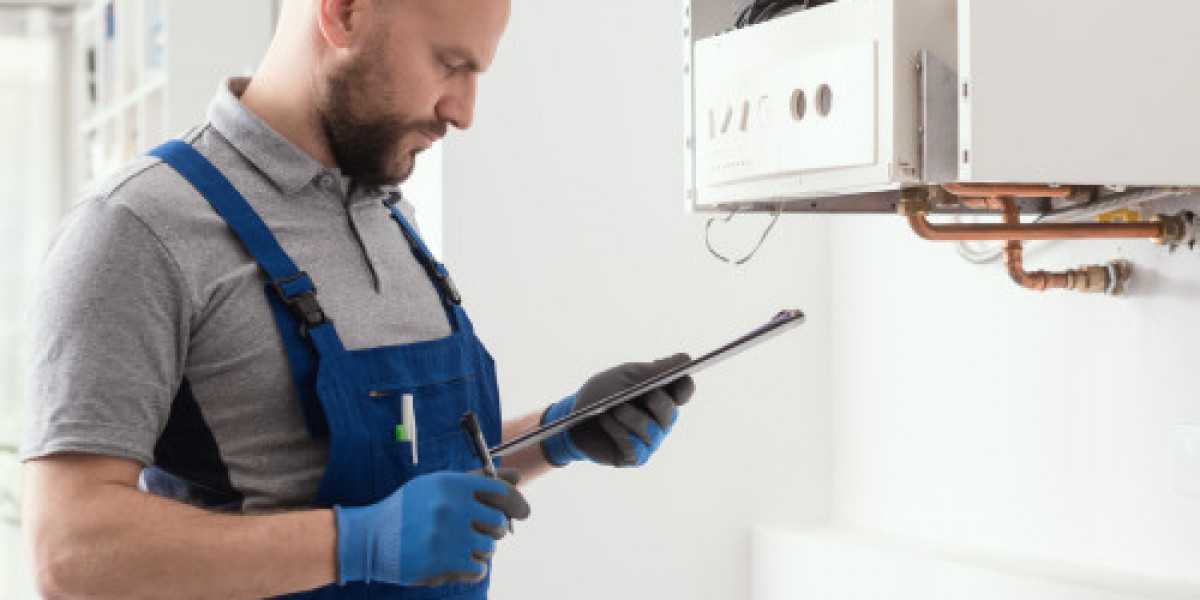

The commercial gas industry plays an essential role in keeping businesses, industrial facilities, educational institutions and commercial properties operating safely and efficiently. From large heating systems and commercial boilers to gas-fired appliances and complex plant rooms, these installations require properly trained professionals who understand the technical requirements of commercial gas work. As demand for qualified gas engineers continues to develop, gaining the right knowledge, practical experience and recognised qualifications has become increasingly important.
Choosing Commercial Gas Training Livingston can be an important step for individuals who want to develop their technical abilities and progress within the heating and gas industry. Commercial gas systems are generally more complex than domestic installations, which means engineers need a broader understanding of equipment operation, safety procedures, fault diagnosis, installation requirements and maintenance practices.
Professional training provides an opportunity to build these skills through structured learning and practical activities. Furthermore, it helps candidates understand industry expectations, relevant regulations and the responsibilities involved in working with commercial gas appliances. Whether someone is looking to progress from domestic gas work or strengthen existing technical knowledge, suitable training can support long-term professional development.
Understanding the Importance of Commercial Gas Training
Commercial gas engineering involves working with gas-fired equipment used in larger buildings and business environments. These systems may include commercial boilers, catering appliances, space heaters, water heaters and other specialised heating equipment.
Unlike many domestic systems, commercial installations can involve greater heating demands, more complicated controls and larger gas supplies. Consequently, engineers must understand how different components operate together and how to identify potential safety concerns.
Training helps professionals develop the knowledge required to approach these responsibilities carefully. It also introduces the technical principles that support safe installation, inspection, servicing and repair work.
Developing Technical Knowledge
A strong understanding of gas engineering principles is essential for anyone working with commercial equipment. Training can cover combustion processes, gas pressures, ventilation requirements, flue arrangements and appliance operation.
Understanding these areas allows engineers to recognise how equipment should perform under normal operating conditions. It also helps them identify situations where an appliance may not be operating correctly.
Understanding Commercial Gas Equipment
Commercial properties use different types of gas appliances depending on their purpose and operational requirements. For example, restaurants may rely on commercial cooking equipment, while warehouses and offices may use larger heating systems.
Engineers need to understand the operating characteristics of these appliances. This includes their components, control systems, safety devices and maintenance requirements.
Who Can Benefit from Commercial Gas Training?
Professional development opportunities are valuable for individuals at different stages of their careers. However, candidates should understand the entry requirements and relevant domestic gas qualifications before choosing a commercial gas programme.
Commercial Gas Training Livingston may be particularly relevant to experienced domestic gas engineers who want to expand their knowledge and explore opportunities within commercial environments.
Experienced Domestic Gas Engineers
Domestic gas engineers often have experience working with boilers, heating systems and household appliances. Moving into commercial gas work can provide an opportunity to apply existing knowledge to more complex installations.
However, domestic experience alone does not automatically qualify someone to undertake commercial gas work. Additional training, appropriate assessments and relevant competence requirements must be completed.
Existing Commercial Gas Professionals
Engineers already working in commercial environments may also benefit from further training. Developing additional technical knowledge can help them understand unfamiliar appliances, improve diagnostic skills and maintain professional competence.
Individuals Planning a Career in Gas Engineering
People interested in entering the gas industry should first understand the required training pathway. Commercial gas work involves specific competence requirements, so candidates generally need an appropriate foundation in gas engineering before progressing towards commercial qualifications.
What Does Commercial Gas Training Cover?
A comprehensive training programme should address the technical and safety-related responsibilities associated with commercial gas systems. The exact subjects depend on the course, qualification pathway and equipment included in the practical assessments.
Understanding the course content beforehand helps candidates select training that matches their professional goals.
Commercial Gas Appliance Operation
Commercial gas appliances are designed to provide heating, hot water or cooking facilities in larger environments. Engineers need to understand their operating principles and the relationship between different components.
Training may introduce:
Commercial boiler operation.
Gas-fired water heating equipment.
Commercial catering appliances.
Heating and hot water controls.
Appliance safety devices.
Basic system operating principles.
This knowledge provides a foundation for understanding how commercial installations function and what engineers should consider when inspecting them.
Combustion and Flue Systems
Combustion is a fundamental part of gas appliance operation. Engineers must understand how fuel and air interact to produce heat and why correct combustion conditions are important.
Training can introduce combustion analysis, flue performance and the importance of suitable ventilation.
A poorly performing combustion system can create dangerous conditions. Therefore, engineers must understand the relevant testing procedures and the significance of accurate measurements.
Gas Safety and Regulations
Safety is central to all professional gas engineering activities. Commercial engineers must understand the regulations, standards and procedures relevant to the appliances and systems they work on.
Training should help candidates recognise unsafe situations, understand their professional responsibilities and follow appropriate procedures.
It is equally important to understand that training attendance alone does not authorise someone to carry out regulated gas work. Engineers must hold the appropriate qualifications, demonstrate competence and meet the applicable registration requirements.
Why Practical Training Matters in Commercial Gas Engineering
Technical knowledge is important, but commercial gas engineering also requires practical ability. Engineers must be capable of applying their understanding to real equipment and working environments.
Practical training allows candidates to become familiar with the components, tools and testing procedures used in commercial gas work.
Building Confidence with Equipment
Working with commercial appliances requires familiarity with different equipment designs and operating arrangements.
Practical activities can help candidates understand how appliances are assembled, how controls function and how different components influence overall performance.
This experience can make technical information easier to understand because learners can connect theoretical principles with physical equipment.
Developing Fault-Finding Skills
Fault diagnosis is another important aspect of commercial gas engineering. Equipment may experience ignition problems, pressure irregularities, control failures or combustion-related issues.
Engineers must approach these problems systematically rather than replacing components without identifying the underlying cause.
A structured diagnostic process involves understanding the reported symptoms, carrying out appropriate checks, interpreting test results and identifying the source of the problem.
Understanding Testing Procedures
Commercial gas systems require appropriate inspection and testing. Engineers need to understand the purpose of each test, the correct use of instruments and the importance of recording accurate results.
Practical experience helps candidates become familiar with professional working procedures and the importance of following manufacturer instructions.
Choosing the Right Commercial Gas Training Provider in Livingston
Selecting an appropriate training provider is an important decision. A suitable centre should offer relevant learning opportunities, clear course information and guidance about qualification requirements.
When comparing training options, candidates should consider more than the advertised course title.
Check Course Content and Qualifications
Before enrolling, review the course syllabus carefully. Make sure it covers the subjects relevant to your intended area of commercial gas work.
Candidates should also confirm:
Required entry qualifications.
Relevant previous industry experience.
Practical training arrangements.
Assessment methods.
Qualification or certification awarded.
Any additional registration requirements.
These details help avoid confusion and ensure that the training pathway matches professional objectives.
Consider Practical Facilities
Commercial gas training involves equipment and technical procedures that are difficult to understand through classroom learning alone.
A suitable centre should provide access to relevant training equipment and appropriate facilities where practical learning can take place.
Candidates should ask what appliances are available and whether the practical activities reflect the type of commercial work they intend to pursue.
Look for Experienced Trainers
The quality of instruction can significantly influence the learning experience.
Trainers with relevant industry knowledge can explain complicated technical subjects, provide practical guidance and help learners understand common challenges faced by commercial gas engineers.
Clear explanations and constructive feedback are particularly valuable when candidates are developing new skills.
Understanding Commercial Gas Safety Responsibilities
Gas safety is one of the most important considerations in commercial engineering. Commercial appliances are frequently used in environments where equipment failure can affect employees, customers, visitors and business operations.
For this reason, engineers must approach every installation, inspection and maintenance task responsibly.
Identifying Potential Gas Hazards
Gas-related hazards can arise from damaged components, incorrect installation, inadequate ventilation, unsuitable flue arrangements or poor appliance performance.
Engineers should understand how to identify potential risks and follow the appropriate safety procedures.
They must also know when equipment should be isolated or taken out of service in accordance with applicable requirements.
Maintaining Safe Working Practices
Safe working practices involve more than understanding appliance technology. Engineers should also consider the working environment, access arrangements, equipment condition and potential hazards surrounding the installation.
Important considerations include:
Following relevant safety procedures.
Using suitable tools and testing instruments.
Wearing appropriate personal protective equipment.
Following manufacturer instructions.
Maintaining accurate technical records.
Communicating safety concerns clearly.
These practices help create a professional approach to commercial gas engineering.
Understanding Legal and Professional Requirements
Gas engineers must comply with the applicable legislation and industry requirements for the work they undertake.
In the UK, the Gas Safety (Installation and Use) Regulations 1998 establish important legal responsibilities relating to gas installations and appliances.
Engineers must also understand the requirements of Gas Safe Register and the relevant categories of competence. Commercial gas work must only be undertaken by appropriately qualified and registered professionals where registration is legally required.
Career Opportunities After Commercial Gas Training
Developing commercial gas competence can open up additional professional opportunities for experienced engineers. Commercial properties depend on reliable heating, hot water and catering equipment, creating an ongoing need for appropriately qualified specialists.
However, career opportunities depend on an individual's qualifications, practical experience, competence and relevant registration.
Working with Commercial Heating Systems
Commercial heating systems are used in offices, factories, warehouses, schools, hotels and other large buildings.
Engineers with suitable competence may work on the inspection, maintenance and servicing of commercial heating equipment.
This area requires an understanding of system performance, heating controls, appliance operation and safe maintenance procedures.
Commercial Catering Equipment
Restaurants, hotels, hospitals and catering facilities often depend on gas-powered cooking appliances.
Commercial catering engineering involves equipment such as ovens, ranges, grills and specialist cooking systems.
Engineers working in this area need appropriate appliance-specific competence and an understanding of the operational demands of commercial kitchens.
Maintenance and Technical Support
Many businesses require regular maintenance to keep their gas equipment operating reliably.
Qualified engineers may work with maintenance contractors, facilities management companies or specialist engineering businesses.
Their responsibilities can include scheduled inspections, fault diagnosis, servicing and reporting equipment conditions.
How to Prepare Before Starting Commercial Gas Training
Preparing properly can make the learning process more productive. Candidates who understand their existing knowledge and training requirements are better positioned to select a suitable course.
Review Your Existing Qualifications
Start by checking your current gas engineering qualifications and professional registration status.
Commercial gas training pathways may require candidates to hold relevant domestic gas qualifications and demonstrate appropriate industry experience.
Confirming these requirements before booking helps ensure that the chosen programme is suitable.
Refresh Important Technical Knowledge
It can be useful to revise the fundamental principles of gas engineering before attending training.
Areas worth reviewing include gas pressures, combustion, ventilation, flue systems, appliance controls and basic electrical principles associated with gas equipment.
Having a sound foundation can make more advanced subjects easier to understand.
Understand the Assessment Process
Candidates should ask how their knowledge and practical competence will be assessed.
Some qualifications involve written assessments, practical tasks and evidence of workplace competence. The exact requirements depend on the qualification and awarding organisation.
Understanding the process in advance allows learners to prepare effectively and identify areas where additional support may be useful.
The Importance of Continuing Professional Development
Completing a qualification is an important achievement, but professional development should continue throughout an engineer's career.
Commercial gas equipment, manufacturer guidance, technical standards and industry expectations can change. Consequently, engineers should make an effort to keep their knowledge current.
Keeping Up with Industry Developments
Engineers should follow relevant industry guidance, technical updates and changes to applicable regulations.
This helps them understand current working requirements and maintain appropriate professional standards.
Improving Technical Competence
Additional learning can help engineers develop their understanding of different appliances, advanced heating controls and modern commercial systems.
Continuing professional development may also help identify areas where further training or specialist qualifications are needed.
Maintaining Professional Standards
Reliable engineering work depends on accuracy, responsibility and consistent attention to safety.
Engineers should maintain appropriate records, follow recognised procedures and ensure their work remains within their demonstrated competence.
These habits support professional credibility and help businesses maintain safe commercial installations.
Why Local Training Opportunities Matter in Livingston
Livingston is an important commercial and business location in West Lothian, Scotland. Its mix of business premises, retail facilities, hospitality venues and industrial environments creates a range of settings where commercial heating and gas equipment may be required.
For engineers based in Livingston and surrounding communities, exploring local training opportunities can make professional development more accessible.
Convenience for Working Professionals
Local training can reduce the time and travel involved in attending courses. This may be particularly useful for engineers who already have employment commitments or travel between different customer locations.
A convenient training location can make it easier to organise professional development alongside existing responsibilities.
Developing Skills for the Regional Market
Commercial properties throughout West Lothian and surrounding areas require suitable heating, hot water and catering facilities.
Engineers with the appropriate qualifications and experience may find opportunities with local maintenance contractors, commercial facilities providers and specialist gas engineering businesses.
Nevertheless, candidates should focus on developing genuine technical competence rather than relying solely on the location of their training.
Supporting Long-Term Career Progression
Professional training can help engineers expand their capabilities and prepare for additional responsibilities.
With suitable qualifications, relevant experience and ongoing development, individuals may be able to progress towards more specialised commercial engineering roles.
Frequently Asked Questions About Commercial Gas Training
What qualifications are required before starting commercial gas training?
Entry requirements depend on the qualification and training pathway. Candidates generally need relevant domestic gas qualifications, suitable industry experience and the required registration or competence background. Always confirm the specific requirements with the training provider.
How long does commercial gas training take?
Course duration varies depending on the qualification, previous experience, practical training requirements and assessment arrangements. Some programmes may involve several training sessions, while others require additional workplace evidence and assessments.
Can a domestic gas engineer move into commercial gas work?
Yes, experienced domestic gas engineers can progress towards commercial gas work by completing the appropriate additional training and assessments. They must also meet the relevant competence and registration requirements before undertaking commercial gas work.
Does commercial gas training include practical assessments?
Many recognised commercial gas qualifications include practical assessment elements. These are designed to establish whether candidates can apply their technical knowledge and demonstrate the required skills safely.
Is commercial gas training useful for career development?
Yes. It can help appropriately qualified engineers develop additional technical knowledge, expand their competence and explore opportunities in commercial heating, catering and maintenance environments.
Why should I compare training providers before enrolling?
Comparing providers helps candidates understand course content, entry requirements, practical facilities, assessment methods and qualification outcomes. This makes it easier to choose training that supports their intended career pathway.
Conclusion
Commercial gas engineering requires a combination of technical knowledge, practical ability, professional responsibility and a strong understanding of safety requirements. From understanding commercial boilers and catering appliances to carrying out inspections, diagnosing faults and following relevant regulations, engineers must develop the competence needed to work confidently in commercial environments.
Choosing Commercial Gas Training Livingston can be a valuable step for experienced gas professionals who want to expand their skills and explore further career opportunities. By selecting an appropriate qualification pathway, gaining practical experience and maintaining industry knowledge, candidates can build a stronger foundation for professional progression. For individuals looking to take the next step in their engineering careers, Nationwide Training Services provides a starting point for exploring relevant training opportunities and developing the skills required to progress within the commercial gas industry.