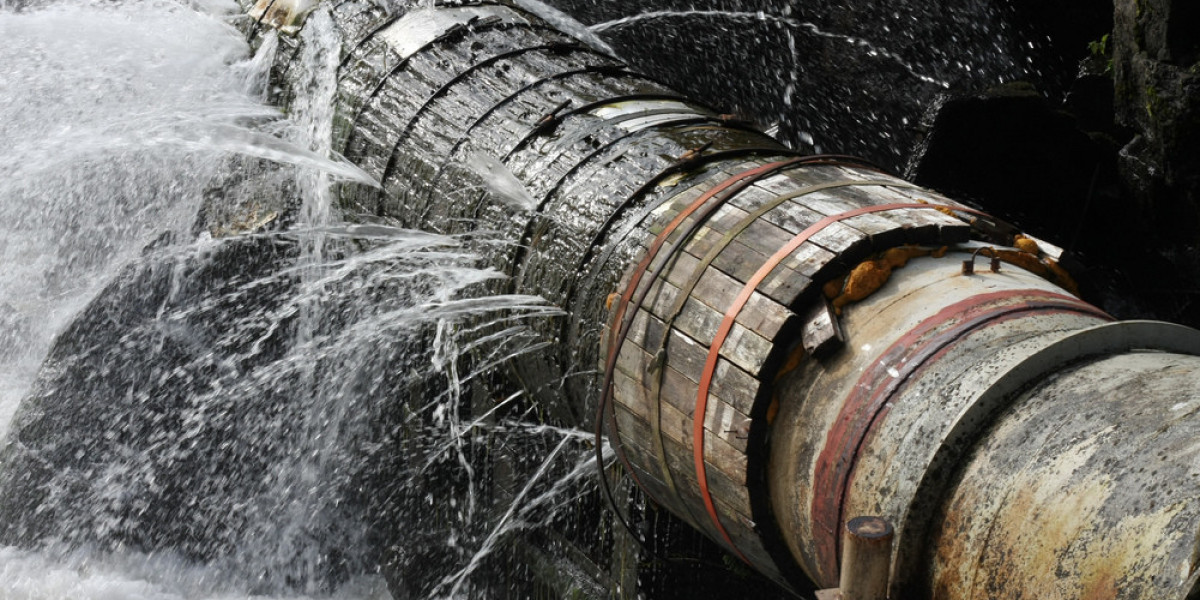

Drainage systems play an essential role in maintaining clean, safe and comfortable properties. Whether it is a residential home, commercial building or industrial premises, properly functioning drains help remove wastewater efficiently and protect the surrounding environment. However, when a drainage pipe suddenly bursts, it can create serious problems that require immediate attention. From unexpected water leaks and unpleasant smells to structural damage and flooding, a damaged drainage system should never be ignored.
Burst Drains in Edinburgh can affect properties of all sizes, particularly when drainage pipes become damaged through ageing materials, ground movement, blockages or excessive pressure. What initially appears to be a minor leak can quickly develop into a much bigger issue if the underlying problem is not identified and repaired correctly.
Understanding the causes, warning signs and available repair methods can help property owners make informed decisions and prevent unnecessary damage. Professional drainage inspections are particularly important because some pipe defects develop underground, making them difficult to identify without specialist equipment.
This guide explores the common reasons drainage pipes burst, how to recognise potential problems, what to do during an emergency and how professional repair solutions can help restore a reliable drainage system.
What Causes Drain Pipes to Burst?
Drainage pipes are designed to transport wastewater safely away from buildings. Nevertheless, several factors can weaken their structure over time. When a pipe loses its strength or experiences excessive pressure, cracks, splits or complete breaks may occur.
Identifying the original cause is essential because repairing the visible damage without addressing the underlying issue may result in repeated drainage problems.
Ageing and Deteriorating Pipe Materials
Older drainage systems may contain clay, cast iron or other materials that gradually deteriorate. Although these materials can provide many years of service, continuous exposure to moisture, changing temperatures and surrounding soil conditions can affect their structural integrity.
As pipes become weaker, small cracks may develop around joints or along the pipe walls. Eventually, these defects can become larger breaks that allow wastewater to escape.
Regular inspections can help property owners identify deteriorating sections before they cause significant damage.
Tree Root Intrusion
Tree roots naturally search for moisture and nutrients. Underground drainage pipes can attract roots when small cracks or loose joints allow water to escape.
Once roots enter a drainage system, they may continue growing inside the pipe. This can restrict wastewater flow, create blockages and place additional pressure on already weakened sections.
In some situations, extensive root growth can damage pipe joints or cause the surrounding structure to break apart.
Ground Movement and Soil Pressure
Changes in ground conditions can place considerable stress on underground drainage systems. Soil movement, nearby construction work, heavy vehicle traffic and changes in moisture levels can affect the position of buried pipes.
When the surrounding ground shifts, pipes may become misaligned, cracked or completely fractured.
This is particularly concerning where older drainage systems have limited flexibility and cannot easily accommodate changes in ground pressure.
Blockages and Excessive Pressure
Although drainage pipes are designed to transport wastewater, severe obstructions can interfere with normal flow.
Common causes of blockages include:
Grease and cooking fat accumulating inside pipes.
Wet wipes and unsuitable sanitary products.
Hair and soap deposits.
Food waste and other foreign objects.
Tree roots growing into underground pipework.
A blockage can cause wastewater to accumulate and increase pressure within certain sections of the drainage system. If the pipe is already weakened, this additional stress may contribute to leaks or structural failure.
Warning Signs of a Burst Drain
Recognising the early warning signs of drainage damage can help prevent expensive repairs and protect your property. However, not every drainage problem produces an obvious leak.
Some defects occur beneath floors, inside walls or underground, meaning property owners may notice secondary symptoms before discovering the actual damage.
Unpleasant and Persistent Drain Smells
One of the most noticeable signs of a damaged drainage system is a persistent sewage smell.
When wastewater escapes through a damaged pipe, unpleasant odours may spread through gardens, outdoor spaces, bathrooms or other areas of the property.
Although blocked traps and ventilation problems can also cause unpleasant smells, persistent sewage odours should be investigated professionally.
Unexplained Wet Patches
Unexpected wet areas around a property can indicate that wastewater is escaping from underground pipework.
You may notice:
Water collecting in areas that are normally dry.
Permanently damp patches in the garden.
Unusually soft or muddy ground.
Water appearing near external drainage connections.
Localised areas of standing water without an obvious explanation.
These signs do not automatically confirm a burst pipe, but they indicate that further investigation may be necessary.
Slow Draining Sinks and Toilets
A drainage system that suddenly becomes slow may have an obstruction or structural defect.
When wastewater cannot move through the pipe efficiently, sinks, showers and toilets may take longer to empty. In more serious situations, water may return through plugholes or toilet bowls.
If several drainage points experience problems simultaneously, the issue could involve a shared or underground drainage connection.
Unexpected Increases in Dampness
Escaping wastewater can affect nearby building materials, particularly when damaged pipework runs beneath floors or close to foundations.
Signs may include damp flooring, discoloured walls, peeling paint and persistent moisture around affected areas.
These symptoms can have several causes, so a professional inspection is important before deciding which repair method is appropriate.
Why Immediate Drain Repairs Are Important
Ignoring a damaged drainage pipe can allow a relatively small problem to develop into a major property maintenance issue.
The longer wastewater escapes, the greater the potential for damage to surrounding soil, landscaping and building materials.
Preventing Property Damage
Leaking drainage water can gradually affect foundations, flooring and nearby structures. Depending on the location and severity of the damage, prolonged leakage may contribute to soil erosion or localised ground instability.
Prompt repairs help limit further exposure and reduce the likelihood of additional building work.
Protecting Health and Hygiene
Wastewater can contain bacteria and other harmful microorganisms. When sewage escapes into gardens, indoor spaces or areas used by people, it creates an unpleasant and potentially unhygienic environment.
Keeping damaged drainage systems properly maintained helps protect occupants, visitors and neighbouring properties.
Avoiding More Expensive Repairs
A small pipe crack may sometimes be repaired without replacing an entire drainage section. However, if the defect remains untreated, it may expand and affect surrounding connections.
Early investigation can help identify the most suitable solution before the problem becomes more complicated.
What to Do When a Drain Pipe Bursts
A suspected drainage emergency requires a calm and practical response. Taking sensible precautions can help minimise damage while waiting for professional assistance.
Stop Using the Affected Drainage System
If you suspect a serious drainage leak, avoid using the affected sinks, toilets, showers or appliances where possible.
Reducing wastewater entering the damaged pipe can help limit further leakage.
If the problem involves a shared drainage connection, inform other occupants or property users so they can avoid using the affected facilities until the situation has been assessed.
Keep People Away from Contaminated Areas
If sewage has escaped into a garden, driveway or indoor space, keep children and pets away from the affected area.
Avoid direct contact with wastewater and do not attempt to clean substantial sewage contamination without appropriate protective equipment.
If wastewater has entered an indoor electrical area, avoid touching affected equipment and seek appropriate professional assistance.
Arrange a Professional Inspection
A drainage specialist can investigate the problem, identify the location of the damage and recommend suitable repair work.
For property owners experiencing Burst Drains in Edinburgh, arranging a prompt inspection can help establish whether the problem involves a cracked pipe, failed joint, root intrusion or a more extensive drainage defect.
An accurate diagnosis is important because different types of pipe damage require different repair approaches.
Professional Methods Used to Repair Damaged Drains
Modern drainage repair techniques allow specialists to investigate and repair many defects without unnecessary excavation.
The most appropriate method depends on the pipe material, location, accessibility and extent of the damage.
CCTV Drain Surveys
A CCTV drain survey involves inserting a specialist camera into the drainage system to inspect its internal condition.
The camera provides detailed images of the pipe interior, allowing specialists to identify:
Cracks and fractures.
Displaced or damaged joints.
Tree root intrusion.
Internal obstructions.
Collapsed pipe sections.
Corrosion and structural deterioration.
This inspection method helps locate the source of a drainage problem without immediately digging up the surrounding ground.
Traditional Excavation and Pipe Replacement
Some drainage defects are too extensive for localised repairs. A severely collapsed pipe or badly damaged section may require excavation and replacement.
The process generally involves exposing the affected pipe, removing the damaged section and installing suitable replacement pipework.
Although excavation can involve disruption to gardens, driveways or other surfaces, it may provide the most reliable solution when the existing pipe has suffered substantial structural failure.
Drain Relining
Drain relining is a trenchless repair technique used for certain types of damaged pipes.
A specialist liner is installed inside the existing pipe to create a new internal surface. Once cured, the liner forms a strong structure that can help seal cracks and prevent further leakage.
This approach may reduce excavation requirements, making it useful where pipes are located beneath driveways, landscaped gardens or other difficult-to-access areas.
However, relining is not suitable for every drainage problem. Completely collapsed pipes and certain severe structural defects may require excavation instead.
Joint Repairs and Localised Pipe Repairs
Sometimes the main problem is restricted to a damaged pipe connection rather than the entire drainage system.
Specialists may use appropriate repair materials or replacement fittings to restore the affected joint.
Localised repairs can be an effective option when the remaining pipework is structurally sound.
How Edinburgh's Weather Can Affect Drainage Systems
Weather conditions can influence the performance and durability of underground drainage networks.
Edinburgh experiences changing seasonal conditions, including periods of heavy rainfall, colder temperatures and fluctuating ground moisture. These environmental factors can place additional demands on drainage infrastructure.
Heavy Rainfall and Drainage Capacity
During periods of heavy rain, surface water and groundwater levels can increase.
If drainage systems already contain blockages or structural defects, additional water entering the network may expose existing weaknesses.
Poor drainage around buildings can also contribute to standing water and increased moisture around underground pipework.
Cold Weather and Temperature Changes
Temperature fluctuations can affect certain pipe materials, particularly where existing defects are already present.
Water trapped in damaged or vulnerable sections may contribute to additional stress during freezing conditions.
Although underground pipes are generally protected by surrounding soil, shallow or exposed pipework may be more vulnerable to temperature changes.
Changes in Soil Moisture
Extended wet or dry periods can affect soil conditions around buried drainage pipes.
Soil expansion, shrinkage and movement may place pressure on pipe connections, especially where the original installation has weakened over time.
Understanding local ground conditions can therefore be useful when investigating recurring drainage problems.
How to Prevent Future Drainage Problems
Although not every drainage failure can be prevented, sensible maintenance can significantly reduce the likelihood of avoidable damage.
Property owners should take a proactive approach rather than waiting until a serious drainage emergency develops.
Arrange Regular Drain Inspections
Professional inspections can help identify early signs of deterioration, root intrusion and damaged connections.
Older properties and buildings with a history of drainage problems may benefit from more frequent assessments.
A CCTV survey can be particularly useful when recurring blockages or unexplained drainage issues suggest an underlying structural defect.
Avoid Putting Unsuitable Materials Down Drains
One of the simplest ways to protect household drainage is to dispose of waste correctly.
Avoid flushing wet wipes, sanitary products, cotton buds and other unsuitable materials down toilets.
Likewise, cooking fats and oils should never be poured directly into kitchen sinks because they can solidify and contribute to serious blockages.
Maintain Outdoor Drainage Areas
Keep external gullies, inspection chambers and accessible drainage points clear of leaves, mud and other debris.
After periods of heavy rainfall, check for unusual standing water or changes in garden drainage.
If water repeatedly collects around the same area, consider arranging a professional assessment.
Address Small Problems Early
Slow drainage, unusual smells and recurring blockages should not be treated as normal household inconveniences.
Investigating these symptoms early may reveal a developing structural issue before a complete pipe failure occurs.
Choosing a Professional Drain Repair Specialist in Edinburgh
Selecting an experienced drainage specialist is an important part of resolving a damaged drainage system.
A suitable contractor should be able to explain the inspection findings, discuss available repair methods and provide clear information about the recommended work.
Look for Relevant Drainage Experience
Drainage systems vary considerably depending on their age, construction and layout.
Choose a specialist with experience in underground drainage inspections, pipe repairs, root removal and structural drainage problems.
This helps ensure that the proposed solution addresses the actual defect rather than simply treating its symptoms.
Ask About Inspection Equipment
Modern CCTV equipment can make it easier to identify hidden drainage defects accurately.
Before agreeing to major repair work, ask whether an inspection can be carried out and whether the findings will be explained clearly.
Request a Clear Repair Assessment
A professional assessment should explain the location of the damage, the likely cause and the available repair options.
Where possible, request a written quotation outlining the expected work, materials and any additional requirements.
This allows property owners to understand the proposed solution and make informed decisions.
Frequently Asked Questions About Burst Drainage Pipes
Can a Burst Drain Be Repaired Without Digging?
Yes, certain drainage defects can be repaired using trenchless methods such as drain relining or specialist internal repair systems.
However, these techniques are not suitable for every situation. Completely collapsed pipes or severely displaced sections may require excavation and replacement.
How Do I Know If My Underground Drain Is Damaged?
Common warning signs include persistent sewage smells, recurring blockages, unexplained wet patches, slow drainage and unusual water accumulation.
A CCTV drain survey can help confirm whether underground pipework has developed cracks, fractures or other structural defects.
Are Burst Drain Pipes an Emergency?
A serious drainage leak, sewage escape or collapsed pipe can require urgent attention, particularly when it affects indoor areas or creates a risk to health and property.
The level of urgency depends on the extent of the damage, the amount of wastewater escaping and the location of the affected pipe.
Does Home Insurance Cover Drain Repairs?
Insurance coverage depends on the individual policy, the cause of the damage and the type of pipe involved.
Some policies may cover certain accidental damage or resulting property damage, while gradual deterioration, poor maintenance or specific drainage exclusions may not be covered.
Always check your policy documents and speak with your insurer before arranging substantial repair work.
How Can I Reduce the Risk of Another Drain Burst?
Regular inspections, responsible waste disposal and prompt attention to recurring drainage issues can help reduce the risk of future problems.
It is also important to address tree root intrusion, damaged joints and ground movement before they cause further structural deterioration.
Conclusion
A damaged drainage system can create significant disruption, unpleasant smells, hygiene concerns and costly property damage if it is not addressed promptly. Understanding the warning signs, identifying the underlying cause and choosing an appropriate repair method are essential steps towards restoring a safe and reliable drainage network.
Whether the problem involves ageing pipework, tree root intrusion, ground movement or excessive pressure, professional investigation can help establish the most effective solution. CCTV inspections, localised repairs, drain relining and pipe replacement all offer practical options depending on the condition of the drainage system.
For property owners dealing with Burst Drains in Edinburgh, early professional attention can make a significant difference in preventing further complications and maintaining the long-term condition of their property. Edinburgh Drain Repair provides drainage-related support to help identify problems, assess damaged pipework and determine suitable repair solutions. Taking action when the first warning signs appear is a sensible way to protect your property and maintain an efficient drainage system.