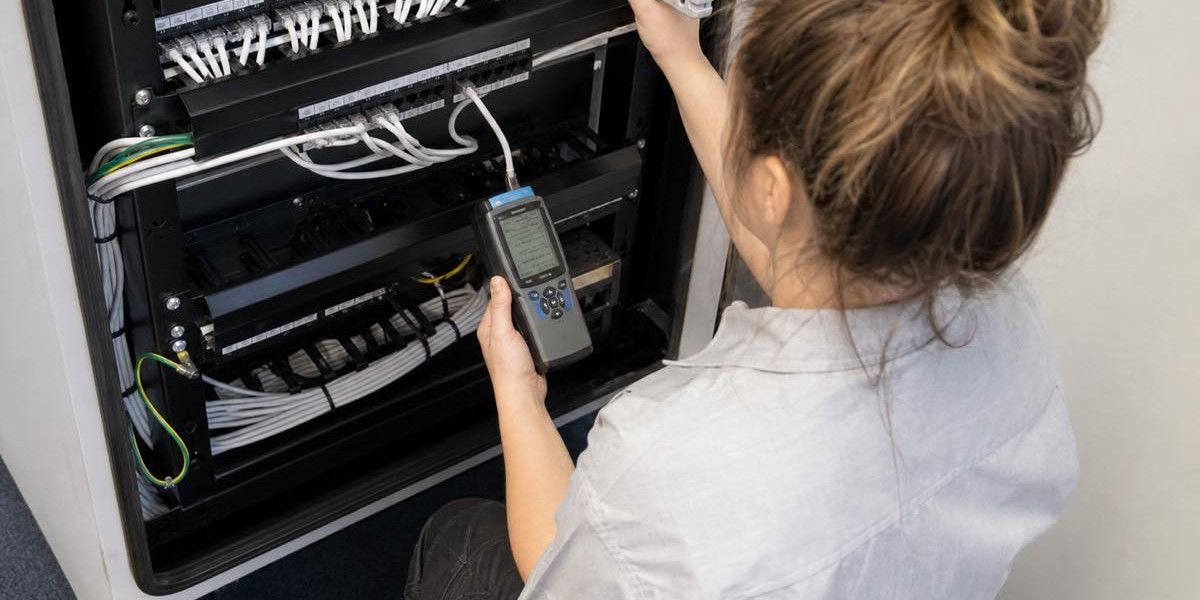

Electrical systems are an essential part of every modern home, business and commercial property. From lighting and power sockets to consumer units and complete electrical installations, every component must work safely and efficiently. Whether you are renovating a property, upgrading an outdated electrical system or dealing with an unexpected electrical fault, choosing the right professional support is important for protecting your property and maintaining everyday convenience.
Property owners in Bracknell need electrical installations that meet modern safety expectations, support changing energy requirements and provide reliable performance. Older wiring, overloaded circuits, damaged sockets and poorly maintained electrical equipment can create unnecessary risks. Therefore, regular inspections, professional installations and timely repairs should be considered essential parts of property maintenance.
Finding dependable Electrical Services Bracknell means looking beyond a quick repair. A suitable electrical solution should address the underlying problem, consider the property's requirements and follow relevant UK electrical safety standards. From small domestic improvements to more complex commercial projects, professional electricians can help ensure that electrical systems remain safe, practical and suitable for everyday use.
Understanding the Importance of Professional Electrical Work
Electricity makes modern living and business operations possible, but electrical installations require proper knowledge, experience and careful handling. Even relatively small electrical problems can develop into serious safety concerns when ignored.
Professional electrical work helps property owners maintain reliable systems while reducing the risks associated with faulty wiring, damaged connections and unsuitable installations.
Protecting Your Property and Occupants
Electrical safety should always be a priority. Faulty electrical connections, damaged cables and overloaded circuits can increase the possibility of electric shocks and electrical fires. Professional electricians understand how to identify potential hazards and recommend appropriate solutions.
For example, a socket that becomes unusually warm, repeatedly trips a circuit breaker or produces a burning smell should never be ignored. These symptoms may indicate an underlying electrical problem that requires professional investigation.
Maintaining Electrical Efficiency
An outdated electrical installation may struggle to support modern appliances, heating equipment and electronic devices. Professional upgrades can improve the suitability of an electrical system for current requirements.
Furthermore, properly installed electrical components can help reduce unnecessary energy consumption caused by inefficient equipment or unsuitable electrical arrangements.
Supporting Long-Term Property Maintenance
Electrical maintenance is not simply about repairing faults when they occur. It also involves identifying developing problems before they become more disruptive.
Regular inspections, suitable protective devices and professional installation practices contribute to the long-term reliability of residential and commercial electrical systems.
Domestic Electrical Services for Modern Homes
Every home has different electrical requirements. A small property may need additional sockets or improved lighting, while a larger household might require a complete consumer unit upgrade or electrical improvements during renovation.
Professional domestic electrical work should consider the property's existing installation, the number of electrical appliances being used and the household's future requirements.
Electrical Installations and Upgrades
Electrical installations provide the foundation for a property's power supply. New installations and upgrades may be required when building an extension, converting a room or modernising an older property.
Common domestic installation work includes:
Installing additional power sockets.
Replacing damaged switches and electrical fittings.
Installing indoor and outdoor lighting.
Adding dedicated circuits for suitable appliances.
Upgrading electrical distribution equipment.
Installing wiring for extensions and renovated rooms.
Improving electrical connections where required.
Before beginning any installation, an electrician should assess the existing electrical arrangement and determine whether additional circuits or protective measures are necessary.
Lighting Installation and Improvements
Lighting has an important influence on the comfort, appearance and functionality of a home. Poor lighting can make rooms less practical, whereas a carefully planned lighting arrangement can improve visibility and create a more welcoming environment.
Homeowners may consider LED lighting, recessed ceiling lights, under-cabinet lighting and outdoor security lighting.
LED technology is particularly popular because suitable LED products generally consume less electricity than traditional incandescent lighting and can offer a longer operating life.
However, choosing the correct fittings, positioning and electrical connections is equally important. Professional installation helps ensure that lighting arrangements are appropriate for the intended location.
Socket and Switch Replacement
Damaged sockets and switches can affect both convenience and electrical safety. Loose fittings, cracked covers, discolouration and unusual heat should be investigated.
An electrician can inspect the affected fitting, identify the cause and replace unsuitable components where necessary.
Adding sockets in suitable locations can also reduce the need for extension leads and help households organise their electrical equipment more effectively.
Commercial Electrical Solutions for Businesses
In addition to Electrical Services Bracknell commercial properties often have more demanding electrical requirements than residential buildings. Offices, retail premises, workshops and other business environments depend on reliable electrical systems to support daily operations.
An electrical problem can interrupt essential activities, affect employees and customers, and potentially lead to operational losses.
Office Electrical Installations
Modern offices use computers, printers, communication equipment, lighting and other electrical devices throughout the working day.
A properly planned installation should provide sufficient power points, suitable circuit arrangements and appropriate electrical protection.
Commercial electrical improvements may include additional sockets, lighting upgrades, distribution board improvements and electrical connections for office equipment.
Retail and Business Premises
Retail premises require dependable lighting and electrical installations to maintain a comfortable environment for employees and customers.
Suitable lighting can improve visibility, highlight products and support safe movement throughout the building.
Businesses may also require electrical work for display systems, signage, security equipment and other specialist installations.
Electrical Maintenance for Commercial Buildings
Preventive maintenance can help businesses identify electrical problems before they cause significant disruption.
Commercial property owners should arrange appropriate electrical inspections based on the condition, usage and risk profile of their installations.
Maintenance may involve checking electrical distribution equipment, examining visible wiring, identifying damaged fittings and investigating recurring circuit problems.
Electrical Fault Finding and Repairs
Electrical faults can occur unexpectedly and may affect one appliance, a particular circuit or the entire property. Identifying the actual cause is important because replacing a damaged component without investigating the underlying issue may not resolve the problem.
Professional fault finding involves inspecting the installation, carrying out appropriate testing and determining the safest repair.
Common Electrical Problems
Some electrical problems occur more frequently than others, particularly in older properties or buildings with heavily used electrical installations.
Common examples include:
Circuit breakers that repeatedly trip.
Flickering or inconsistent lighting.
Power sockets that stop working.
Damaged switches and fittings.
Unexpected loss of electricity in certain rooms.
Burning smells around electrical equipment.
Electrical connections that become unusually warm.
These symptoms should be investigated rather than treated as minor inconveniences.
Why Accurate Fault Diagnosis Matters
Different electrical faults can produce similar symptoms. For example, a repeatedly tripping circuit breaker may indicate an overloaded circuit, damaged wiring or a faulty appliance.
A professional electrician can use appropriate testing equipment to identify the cause instead of relying on assumptions.
Once the issue has been identified, the electrician can explain the required repair and determine whether additional improvements are necessary.
When to Seek Immediate Assistance
Electrical problems involving smoke, burning smells, sparks or exposed live wiring should be treated seriously.
If it is safe to do so, isolate the affected circuit using the consumer unit. Do not touch exposed conductors or attempt repairs yourself. If there is an electrical fire, leave the property and contact emergency services.
Consumer Unit Upgrades and Electrical Protection
The consumer unit is a central component of a property's electrical installation. It distributes electricity to individual circuits and contains protective devices designed to disconnect power when certain electrical faults occur.
Older consumer units may not provide the same level of protection or functionality as modern equipment.
Understanding Modern Consumer Units
Modern consumer units can incorporate several protective devices, depending on the design and requirements of the installation.
These may include:
Miniature Circuit Breakers (MCBs) for overcurrent protection.
Residual Current Devices (RCDs) for protection against certain earth leakage faults.
Residual Current Breakers with Overcurrent protection (RCBOs), combining relevant protective functions.
Surge Protective Devices (SPDs), where appropriate, to reduce risks associated with transient overvoltages.
The correct arrangement depends on the electrical installation and applicable requirements.
Signs That an Upgrade May Be Necessary
A consumer unit should be professionally assessed if it shows visible damage, has outdated protective arrangements or regularly experiences unexplained tripping.
Other reasons for considering an upgrade include property renovations, additional electrical circuits and changes in electricity requirements.
An electrician should assess the installation before recommending replacement. An upgrade should be based on safety and suitability rather than appearance alone.
Electrical Safety Inspections and Testing
Electrical inspections are an important part of responsible property ownership. They help identify deterioration, defects and other conditions that could affect the safety of an installation.
The inspection process should be appropriate for the building's age, electrical arrangements and intended use.
Electrical Installation Condition Reports
An Electrical Installation Condition Report (EICR) provides an assessment of the condition of an existing electrical installation.
During an inspection, an electrician may examine:
The condition of electrical wiring.
Consumer units and protective devices.
Earthing and bonding arrangements.
Socket outlets and switches.
Circuit identification and suitability.
Evidence of overheating or deterioration.
Compliance with relevant safety requirements.
The report records observations and identifies any defects requiring attention.
Recommended Inspection Intervals
Inspection frequency depends on the property's type, usage and circumstances.
For rented residential properties in England, private landlords generally need to arrange electrical safety inspections at least every five years, or sooner if the previous report requires it.
For owner-occupied homes, periodic inspection intervals should be determined according to the condition and risk of the installation. Businesses may also have different inspection requirements depending on their activities and workplace arrangements.
Following Current UK Electrical Standards
Electrical installations in the UK should be designed, installed and tested in accordance with applicable regulations and standards, including the relevant edition and amendments of BS 7671.
Professional electricians should understand the requirements applicable to their work and provide appropriate certification or reporting where required.
Electrical Installations for Property Renovations and Extensions
Renovation projects provide an opportunity to improve existing electrical systems and make them suitable for modern living.
However, electrical planning should take place before major building work begins. This helps prevent unnecessary alterations after walls, ceilings and floors have been completed.
Planning Electrical Requirements Before Renovation
Before starting a renovation, property owners should consider how each room will be used.
For example, a kitchen may require carefully planned circuits for cooking appliances, refrigeration and other equipment. A home office may need additional sockets and suitable data connections.
An electrician can help identify suitable locations for switches, lighting, sockets and other electrical components.
Electrical Work for Extensions
Building an extension often introduces additional lighting, sockets and electrical loads.
The existing installation should be assessed to determine whether it can safely accommodate the proposed changes.
Depending on the project, additional circuits, protective devices or improvements to the consumer unit may be necessary.
Improving Older Electrical Installations
Older properties may contain wiring and electrical components that have deteriorated over time.
Renovation work provides an opportunity to investigate these installations and arrange appropriate improvements.
Replacing unsuitable components and correcting identified defects can help create a safer and more reliable electrical environment.
Choosing the Right Electrician in Bracknell
In addition to Electrical Services Bracknell selecting an electrician is an important decision because electrical work directly affects property safety.
Homeowners and businesses should consider professional experience, relevant qualifications, insurance and the ability to provide suitable documentation.
Check Qualifications and Competence
Look for electricians who can demonstrate appropriate training and experience for the work being requested.
For relevant domestic electrical installation work, registration with a recognised competent person scheme, such as NICEIC or NAPIT, can provide additional assurance. However, registration should be checked rather than assumed.
For commercial or specialist projects, confirm that the electrician has the appropriate experience and qualifications for the particular installation.
Request a Clear Quotation
A professional quotation should explain the proposed work, expected materials and any relevant additional costs.
Before agreeing to a project, ask whether testing, certification and any necessary remedial work are included.
Comparing quotations can help property owners understand the available options, although the cheapest price should not automatically determine the final decision.
Consider Communication and Reliability
Good communication is important throughout an electrical project.
A dependable professional should explain the problem, discuss suitable solutions and provide realistic information about the work involved.
Clear communication also helps property owners understand maintenance recommendations and any future improvements that may be required.
How Modern Electrical Improvements Support Energy Efficiency
Energy efficiency is becoming increasingly important for households and businesses. Rising electricity requirements and greater awareness of energy consumption have encouraged property owners to consider more efficient electrical equipment.
Although electrical upgrades cannot automatically eliminate high energy bills, appropriate improvements can support more responsible energy use.
Switching to Energy-Efficient Lighting
Replacing suitable traditional light fittings with LED alternatives can reduce lighting energy consumption.
LED lighting is available in different brightness levels and colour temperatures, making it suitable for kitchens, bedrooms, offices, retail premises and outdoor areas.
Selecting appropriate products is important to achieve the intended lighting performance.
Installing Smart Electrical Controls
Smart switches, lighting controls and compatible electrical systems can help users manage electricity consumption more conveniently.
For example, programmable lighting controls can reduce unnecessary operating hours, while suitable monitoring equipment can provide information about energy usage.
Compatibility and safe installation should always be considered before introducing smart electrical equipment.
Preparing Properties for Future Energy Requirements
As households adopt electric vehicles, heat pumps and other electrical technologies, property owners may need to review their existing electrical capacity.
Future planning can help identify whether additional circuits, suitable protective devices or other electrical improvements will be necessary.
A professional assessment is particularly important before installing equipment with significant electrical demands.
Why Regular Electrical Maintenance Should Not Be Ignored
In addition to Electrical Services Bracknell maintenance helps protect the long-term condition of a property's installation.
Rather than waiting for a complete failure, property owners should pay attention to warning signs and arrange professional inspections when appropriate.
Regular maintenance can help identify loose connections, damaged fittings, deteriorating wiring and unsuitable electrical components.
It also provides an opportunity to review whether an installation remains suitable for the property's current use.
For commercial buildings, a planned maintenance approach can be particularly valuable because electrical interruptions may affect staff, customers, equipment and business operations.
Ultimately, prevention and timely repairs are generally more practical than allowing small electrical issues to develop into major problems.
Frequently Asked Questions About Electrical Work
How often should a property have an electrical inspection?
Inspection frequency depends on the property's condition and use. Private rented homes in England generally require an EICR at least every five years, or sooner when the report specifies. Owner-occupied properties should be assessed according to their individual circumstances and electrical risks.
What are the signs of an electrical fault?
Common warning signs include flickering lights, repeatedly tripping breakers, burning smells, damaged sockets, unusual heat and intermittent power. These problems should be investigated by a qualified professional.
Can I add more sockets to my existing electrical system?
Additional sockets may be possible, but the existing circuit must be assessed first. An electrician can determine whether the circuit has sufficient capacity or whether a new circuit is required.
When should a consumer unit be replaced?
Replacement may be appropriate when an existing consumer unit is damaged, unsuitable or lacks protective arrangements required for the installation. A professional inspection should establish whether an upgrade is necessary.
Are electrical inspections necessary after renovation?
Electrical work carried out during renovations may require appropriate inspection, testing and certification. The specific requirements depend on the work undertaken and applicable regulations.
Why should I hire a professional electrician?
Professional electricians have the relevant knowledge and equipment to inspect, install, test and repair electrical systems safely. This helps reduce the risks associated with incorrect wiring and unsuitable electrical components.
Conclusion
Reliable electrical installations are essential for maintaining safe, comfortable and efficient homes and commercial properties. From lighting improvements and additional sockets to fault diagnosis, consumer unit upgrades and electrical safety inspections, every project should be approached with proper planning and professional care.
Property owners should never ignore electrical warning signs or attempt complex electrical repairs without the necessary competence. Instead, choosing an experienced professional, arranging appropriate inspections and following relevant UK safety standards can help protect both people and property. For dependable support with installations, maintenance, repairs and electrical improvements, Kosta Electrical Plumbing Heating Ltd can help property owners explore suitable solutions for their electrical requirements in Bracknell.