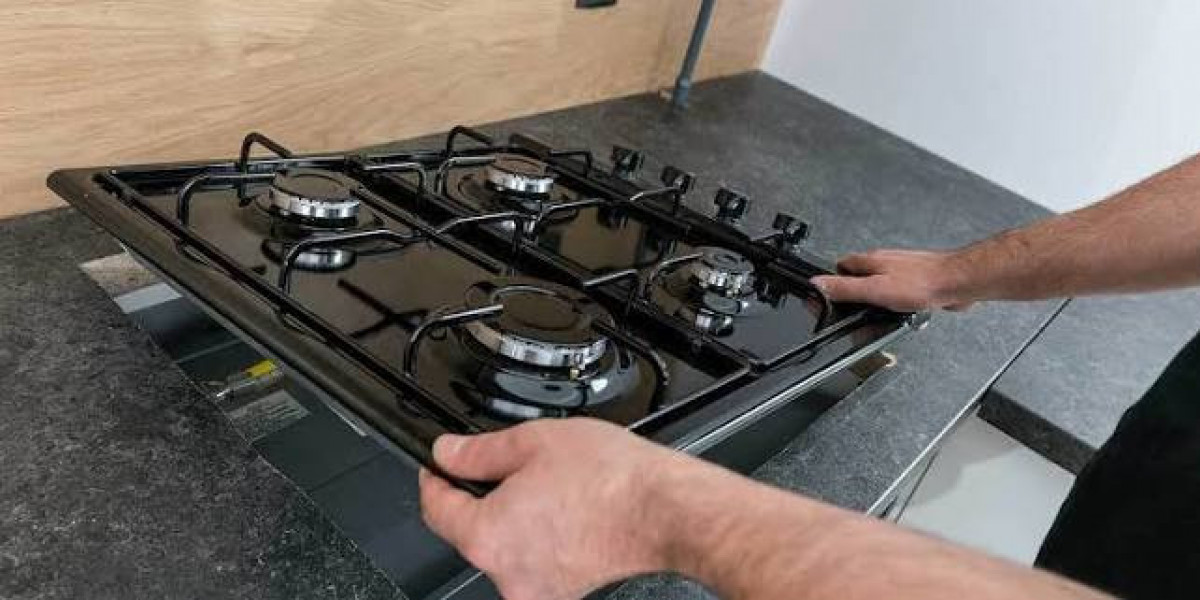

A cooker is one of the most important appliances in any modern kitchen. Whether you are preparing everyday family meals, cooking for guests or managing a busy household, having a properly installed cooker makes a significant difference to convenience, safety and cooking performance. However, choosing the right appliance is only part of the process. Correct installation is equally important to ensure that the cooker operates efficiently and meets the relevant safety requirements.
Homeowners often consider upgrading their kitchen appliances when renovating their property, replacing an older cooker or improving energy efficiency. However, installing a new appliance involves more than simply connecting it to an existing supply. Factors such as appliance compatibility, electrical requirements, gas connections, ventilation and available kitchen space must all be considered before installation begins.
For households looking for Cooker Installation in Sheffield, understanding the installation process can help prevent unnecessary problems and ensure the appliance is suitable for the property. From selecting an appropriate cooker to checking connections and carrying out final safety inspections, every stage deserves careful attention.
This guide explores the essential considerations involved in cooker installation, including different appliance types, preparation, professional installation, safety standards, common mistakes and ongoing maintenance. It also explains how homeowners can make informed decisions when upgrading their kitchen appliances.
Understanding Different Types of Cookers
Before arranging an installation, it is important to understand the different types of cookers available. Each appliance has specific connection requirements, features and installation considerations.
Gas Cookers
Gas cookers use natural gas or LPG to produce heat for cooking. Many households prefer them because they provide responsive heat control and allow users to adjust cooking temperatures quickly.
However, gas appliances must be connected correctly to an appropriate gas supply. The installation process should include checking the gas connection, ensuring suitable ventilation and testing the appliance for leaks.
A qualified Gas Safe registered engineer should carry out gas cooker installation and any work involving gas pipework or connections. Homeowners should never attempt to connect a gas cooker themselves.
Electric Cookers
Electric cookers use electricity to operate their heating elements, ovens and other cooking functions. They are available in several designs, including conventional electric ovens, ceramic hobs and induction cookers.
Before installation, an engineer or suitably qualified electrician should establish whether the existing electrical supply can safely support the appliance. Some electric cookers require a dedicated circuit, an appropriately rated protective device and suitable cabling.
Incorrect electrical connections can create overheating, tripping and fire risks. Therefore, electrical requirements should always be checked before installation.
Dual-Fuel Cookers
Dual-fuel cookers combine different heating technologies, typically using a gas hob and an electric oven. This arrangement provides flexible cooking options for households that prefer gas-based hob controls and electric oven performance.
Because these appliances require both gas and electrical connections, installation involves additional checks. Both supplies must be suitable for the appliance, and the relevant safety requirements must be followed.
Why Professional Cooker Installation Matters
Installing a cooker correctly is essential for household safety and reliable operation. Although some appliances may appear straightforward to install, incorrect connections can lead to serious problems.
Professional installation helps ensure that the appliance is compatible with the property's existing services and that all necessary checks are completed.
Preventing Gas Leaks
Gas connections must be correctly installed, secured and tested. Even a small leak can create a potentially dangerous situation.
A qualified engineer uses appropriate equipment and procedures to check gas tightness and confirm that the appliance is operating safely. This is particularly important when replacing an older gas cooker or modifying an existing connection.
Reducing Electrical Risks
Electric cookers can draw considerable electrical power, especially when several heating elements operate simultaneously.
An unsuitable cable, overloaded circuit or incorrect connection can cause electrical faults. Professional assessment helps establish whether the existing installation is appropriate for the new appliance.
Improving Appliance Performance
Correct positioning and connection help ensure that the cooker operates according to its manufacturer's specifications.
An improperly installed appliance may experience inconsistent operation, connection problems or avoidable performance issues. A proper installation also allows the engineer to identify potential problems before the cooker is used regularly.
Preparing Your Kitchen Before Installation
Good preparation makes the installation process more straightforward. Before the engineer arrives, homeowners should consider several practical requirements.
Measure the Available Space
The first step is to measure the area where the cooker will be positioned.
Check the width, height and depth of the available space and compare these measurements with the appliance specifications. Remember that some models require additional clearance around particular surfaces.
Accurate measurements help prevent problems with fitting, positioning and ventilation.
Check the Existing Connections
The type and position of existing connections can influence which cooker is suitable for your kitchen.
For example, a replacement gas cooker may require a different connection arrangement from an electric model. Similarly, upgrading to a more powerful electric appliance may require an assessment of the electrical circuit.
It is better to identify these requirements before purchasing a cooker rather than discovering compatibility problems on installation day.
Clear the Installation Area
Remove unnecessary kitchen equipment, food containers and other objects from the surrounding area.
A clear workspace gives the installer sufficient room to position the appliance, inspect connections and carry out the necessary checks.
It is also helpful to ensure that the route between the entrance and kitchen is accessible, particularly when moving larger freestanding cookers.
What Happens During a Professional Installation?
Understanding the installation process helps homeowners know what to expect and why individual checks are important.
Initial Assessment
The installation normally begins with an assessment of the appliance and the available kitchen connections.
The installer checks the cooker model, its manufacturer requirements and whether the existing gas or electrical supply is appropriate.
Any problems that could affect safe installation should be identified before the work proceeds.
Positioning the Cooker
Once the necessary checks are completed, the cooker can be positioned in the designated area.
The installer considers the manufacturer's clearance requirements, the surrounding cabinets and the available ventilation arrangements.
Correct positioning is important because restricted airflow or unsuitable clearances may affect appliance operation.
Connecting the Appliance
The connection process depends on the cooker type.
Gas cookers require appropriate gas connections completed by a Gas Safe registered engineer. Electric cookers must be connected by a suitably competent and qualified electrical professional in accordance with applicable regulations.
Dual-fuel appliances require both connection types to be assessed.
Testing and Final Checks
After installation, the appliance should be checked according to the manufacturer's instructions and relevant safety requirements.
Depending on the appliance, these checks may include:
Inspecting the connections.
Testing gas tightness where applicable.
Checking electrical operation.
Confirming that controls work correctly.
Checking burners and ignition systems.
Verifying that the appliance is stable and correctly positioned.
Confirming that ventilation and clearances are appropriate.
These checks help establish whether the cooker is ready for normal use.
Cooker Installation : Important Local Considerations
Cooker Installation in Sheffield has a varied range of residential properties, from traditional terraced houses and Victorian properties to modern apartments and newly built family homes. Each property may have different kitchen layouts, connection arrangements and installation requirements.
For this reason, homeowners should avoid assuming that every cooker can be installed using the same approach.
Older Properties
Older homes may have outdated electrical installations, older gas pipework or kitchen layouts that were designed around different appliance dimensions.
Before installing a replacement cooker, it is sensible to assess the condition and suitability of the existing connections.
If modifications are necessary, they should be completed by appropriately qualified professionals.
Modern Apartments
Apartments and newly developed properties may have specific requirements relating to ventilation, appliance positioning and electrical capacity.
Some buildings also have restrictions concerning gas appliances or alterations to existing services. Homeowners and tenants should check the relevant property requirements before arranging installation.
Kitchen Renovation Projects
A kitchen renovation provides a useful opportunity to review appliance positioning, worktop arrangements, electrical outlets and gas supply locations.
Planning these details early can reduce the likelihood of expensive adjustments later.
When arranging Cooker Installation in Sheffield, property-specific requirements should always be considered rather than relying entirely on the dimensions or connections of an older appliance.
Essential Cooker Safety Standards and Regulations
Safety should remain the priority throughout any cooker installation. Gas and electrical appliances must be installed in accordance with applicable UK requirements and manufacturer instructions.
Gas Safe Registration
In the UK, engineers carrying out gas work must hold the appropriate Gas Safe registration and qualifications for the work being undertaken.
Homeowners should check an engineer's Gas Safe ID card to confirm that they are qualified for the specific type of appliance and work required.
This is particularly important when connecting a new gas cooker, replacing existing gas fittings or modifying gas pipework.
Electrical Safety Requirements
Electrical cooker installations must meet relevant electrical safety requirements.
The installation should be suitable for the appliance's power rating, circuit arrangement and protective equipment. Where electrical installation work is required, it should be undertaken by a suitably qualified professional.
Part P of the Building Regulations may apply to certain electrical work in domestic properties in England.
Manufacturer Installation Instructions
Every cooker has its own installation specifications. These may cover clearances, ventilation, connection requirements and operating conditions.
Following the manufacturer's instructions helps ensure that the appliance is installed correctly and that its safety features operate as intended.
Common Cooker Installation Mistakes to Avoid
Even relatively small installation mistakes can cause unnecessary problems. Understanding common issues helps homeowners make better decisions.
Choosing an Incompatible Appliance
One common mistake is purchasing a cooker without checking its connection requirements.
An electric cooker may require a different electrical arrangement from the existing appliance, while a gas model may need a suitable gas connection.
Always review the specifications before purchasing.
Ignoring Ventilation Requirements
Cookers generate heat, and gas appliances also require appropriate air supply and ventilation arrangements.
Blocking ventilation openings or installing an appliance in an unsuitable location can create safety and performance problems.
Attempting DIY Gas Connections
Gas connections should never be treated as an ordinary household DIY task.
Incorrect installation can result in gas leaks, fire hazards and carbon monoxide risks. Gas work must be completed by a suitably qualified Gas Safe registered engineer.
Overlooking Electrical Capacity
Installing a higher-powered electric cooker without checking the existing circuit can create serious electrical problems.
The supply should be assessed to establish whether it is suitable for the new appliance.
Failing to Test the Appliance
Simply positioning and connecting a cooker does not establish that it is safe to use.
Appropriate checks should be completed before the appliance is handed over for normal operation.
How to Choose the Right Cooker for Your Home
Selecting the right cooker depends on household requirements, kitchen space and personal cooking preferences.
Consider Household Size
Smaller households may find a standard single oven sufficient, whereas larger families might benefit from additional cooking capacity.
Consider how frequently you prepare meals and whether you regularly use multiple oven compartments.
Review Energy Efficiency
Energy efficiency is another important consideration when purchasing a cooker.
Check the appliance's energy label where applicable and compare its estimated energy consumption with similar models.
An efficient appliance can help manage household energy use, although actual savings depend on cooking habits, appliance settings and energy tariffs.
Look at Useful Features
Modern cookers offer a variety of features, including fan-assisted cooking, programmable timers, induction hobs, child safety locks and automatic cleaning functions.
Choose features that provide genuine everyday benefits rather than paying extra for functions that are unlikely to be used.
Check Warranty and Aftercare
Before purchasing, review the manufacturer's warranty, installation requirements and servicing recommendations.
Knowing what support is available can make it easier to manage future maintenance or repairs.
Maintaining Your Cooker After Installation
Regular maintenance helps keep a cooker in good working condition and supports safe operation.
Clean the Appliance Regularly
Food residue, grease and spills can accumulate around burners, oven compartments and cooking surfaces.
Clean the appliance according to the manufacturer's recommendations. Avoid abrasive products or unsuitable chemicals that could damage protective coatings.
Inspect for Visible Damage
Check accessible parts of the appliance for signs of wear, damaged controls or loose components.
If you notice an unusual smell, visible damage or abnormal operation, stop using the appliance where it is safe to do so and arrange an appropriate professional inspection.
Keep Ventilation Areas Clear
Do not cover ventilation openings or store items in areas that could restrict airflow.
Keeping the surrounding space clear helps maintain the operating conditions specified by the manufacturer.
Arrange Repairs When Necessary
If the cooker develops a fault, avoid attempting repairs involving gas connections or electrical components unless you have the appropriate qualifications.
A qualified professional can identify the underlying issue and recommend a suitable repair.
Frequently Asked Questions About Cooker Installation
How Long Does Cooker Installation Take?
The time required depends on the appliance type, the condition of existing connections and whether any modifications are necessary. A straightforward replacement may take less time than an installation requiring new connections or additional electrical work.
Can I Install a Gas Cooker Myself?
No. Gas cooker installation and work involving gas connections must be undertaken by an appropriately qualified Gas Safe registered engineer. DIY gas connections can create serious safety risks.
Do Electric Cookers Need a Dedicated Circuit?
Some electric cookers require a dedicated circuit, depending on their power rating and manufacturer's specifications. A qualified electrician should assess the existing electrical installation before connection.
Can I Replace My Old Cooker With a Different Type?
Yes, in many cases. However, switching from gas to electric or electric to gas may require changes to the property's existing services. These requirements should be assessed before purchasing the replacement appliance.
What Should I Check Before Booking an Installation?
Check the appliance dimensions, connection requirements, kitchen space, ventilation arrangements and the installer's relevant qualifications. Having the cooker model information available can also help the professional understand the work required.
Why Is Professional Installation Recommended?
Professional installation helps ensure that gas and electrical connections are suitable, manufacturer requirements are followed and relevant safety checks are completed. It also reduces the risk of avoidable installation problems.
Conclusion
A properly installed cooker is an important part of a safe, practical and efficient kitchen. From selecting the right appliance and checking connection requirements to ensuring suitable ventilation and completing final safety inspections, every stage contributes to reliable performance. Homeowners should also consider the age and condition of their existing installations, particularly when upgrading appliances in older properties or renovating their kitchens. Choosing appropriately qualified professionals, following manufacturer instructions and maintaining the appliance regularly can help prevent unnecessary problems and support long-term use. For homeowners seeking dependable Cooker Installation in Sheffield, Connectph can help make the process more straightforward by providing professional support and attention to the requirements of each installation, helping households move towards a safer and more functional kitchen.