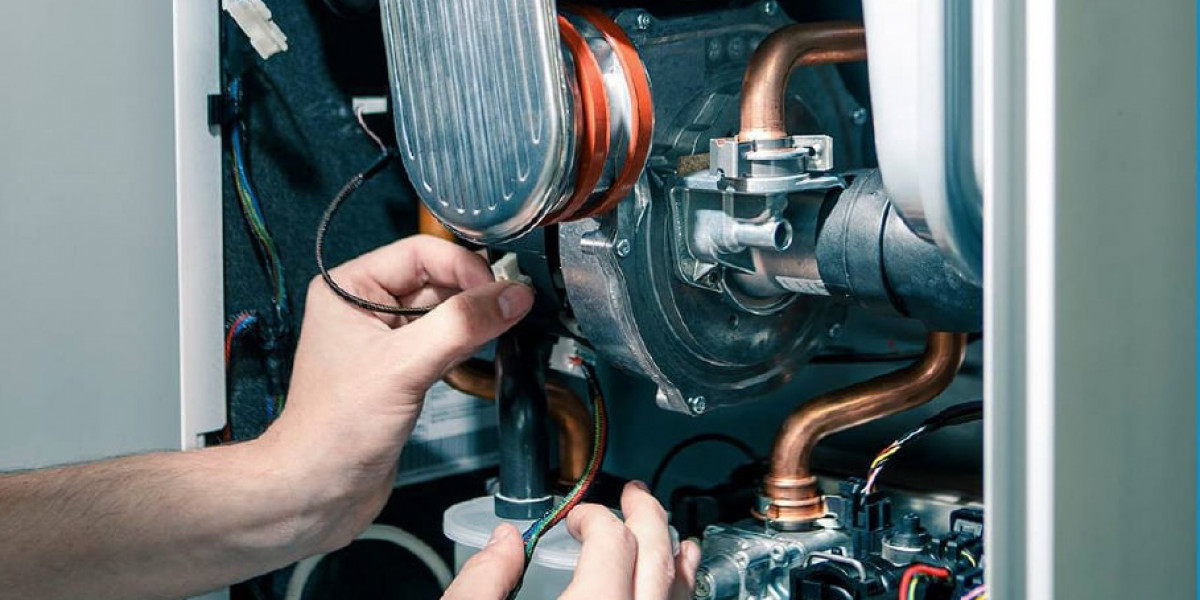

A reliable heating system is essential for maintaining a comfortable, warm and energy-efficient home throughout the year. In Sheffield, where temperatures can drop considerably during the colder months, having a properly designed heating system makes a significant difference to everyday comfort. Whether you are building a new property, renovating an existing home or replacing an outdated boiler and radiator network, choosing the right heating solution can improve performance, reduce unnecessary energy consumption and provide dependable warmth.
A complete heating installation involves much more than simply fitting a new boiler. It requires careful planning, suitable equipment, correctly sized pipework, efficient radiators, appropriate heating controls and professional commissioning. Every component must work together to deliver consistent heating and reliable hot water.
Homeowners considering Full Heating System Installation Sheffield should understand the importance of choosing equipment that suits their property, household requirements and available budget. A well-planned installation can help prevent recurring heating problems, improve temperature control and support long-term energy efficiency.
This guide explains the main stages of a complete heating installation, the equipment involved, important safety considerations and the factors homeowners should consider before investing in a new system.
Understanding a Complete Heating System Installation
A complete heating system is a combination of interconnected components designed to provide warmth and hot water throughout a property. The exact arrangement depends on the building's size, existing infrastructure, insulation levels and the number of people living in the household.
Unlike replacing an individual boiler or radiator, a full installation considers the entire heating network. This ensures that all components are compatible and operate efficiently together.
Main Components of a Heating System
A modern domestic heating system generally includes several essential elements:
Boiler: Produces heat by using gas or another suitable energy source.
Radiators: Distribute warmth throughout individual rooms.
Pipework: Carries heated water between the boiler and radiators.
Thermostat: Helps maintain the selected indoor temperature.
Heating controls: Allow homeowners to manage heating schedules and temperatures.
Valves: Control water circulation and regulate individual radiators.
Hot water cylinder: Stores heated water in systems designed to use one.
Each component has a specific purpose. Therefore, selecting suitable equipment and installing it correctly is essential for achieving consistent heating performance.
Why Sheffield Homeowners May Need a New Heating System
Heating requirements can change over time. An older system that once provided sufficient warmth may struggle to meet a property's current needs. Ageing equipment, inefficient components and changes to household occupancy can all affect heating performance.
A replacement installation may be worth considering when several parts of the existing system are approaching the end of their useful service life.
Frequent Boiler and Heating Problems
An unreliable heating system can create inconvenience, particularly during winter. Common warning signs include:
Radiators taking too long to heat up.
Some rooms remaining cold despite the heating being switched on.
Boiler pressure repeatedly dropping.
Unusual noises coming from the boiler or pipework.
Inconsistent hot water temperatures.
Repeated boiler breakdowns.
Increasing energy consumption without a clear explanation.
Although individual faults do not always require a complete replacement, recurring problems across multiple components may indicate that upgrading the entire system is a more practical long-term option.
Outdated Heating Equipment
Older boilers and heating controls may lack the efficiency and flexibility available in modern equipment. Replacing outdated components can improve temperature management and reduce wasted energy when the system is correctly designed.
However, a new boiler alone does not automatically guarantee lower energy bills. Pipework condition, radiator sizing, insulation and household heating habits also influence overall performance.
Choosing the Right Heating System for Your Property
Every property has different heating requirements. A suitable system for a small terraced house may not provide sufficient capacity for a large detached property with multiple bathrooms.
For this reason, professional assessment should take place before equipment is selected.
Combi Boiler Systems
A combination boiler provides central heating and hot water directly from the mains supply without requiring a separate hot water storage cylinder.
This arrangement is often suitable for smaller and medium-sized homes where space is limited.
Its main advantages include:
No separate hot water storage tank.
Reduced space requirements.
Hot water supplied when needed.
A relatively straightforward system layout.
Convenient operation for many households.
However, a combi boiler may not be the best option for properties with several bathrooms where multiple hot water outlets are frequently used simultaneously.
System Boiler Installations
A system boiler works with a separate hot water storage cylinder. Many important heating components are incorporated within the boiler itself, which can simplify the overall installation.
This option can be appropriate for households with higher hot water requirements.
A properly designed system can provide hot water to multiple outlets, depending on the cylinder capacity and installation specifications.
Conventional Boiler Systems
Conventional boilers, sometimes called regular or heat-only boilers, generally operate with separate feed and expansion tanks and a hot water cylinder.
They can be suitable for properties with existing traditional heating arrangements, particularly where several bathrooms or high hot water demands make stored hot water beneficial.
The correct choice depends on the property's existing infrastructure and the household's daily requirements.
Planning Full Heating System Installation
In addition to Full Heating System Installation Sheffield successful installation begins with a detailed assessment rather than immediately selecting a boiler. This stage helps identify the equipment, materials and work required to create a dependable heating network.
A professional installer should consider the property's layout, existing pipework, hot water demand and heating preferences.
Assessing Property Size and Heating Demand
The size of a property is an important starting point, but it should not be the only factor used to determine boiler capacity.
Other considerations include:
Number of bedrooms and bathrooms.
Ceiling heights and room dimensions.
Number and size of external walls.
Window sizes and glazing quality.
Loft and wall insulation.
Existing radiator arrangements.
Household hot water requirements.
A heat-loss assessment can help establish the heating output required for individual rooms and the property as a whole.
This information supports better equipment selection and reduces the risk of installing a system that is either undersized or unnecessarily powerful.
Inspecting Existing Pipework and Radiators
Before installation begins, the condition of the existing heating network should be examined.
Old or damaged pipework may require replacement, while radiators might need upgrading if they cannot provide sufficient heat.
The installer should also assess whether the existing pipework layout supports the proposed system.
Identifying these requirements early helps homeowners understand the expected scope of work and reduces the likelihood of unexpected complications.
The Main Stages of a Professional Heating Installation
A complete installation follows a planned sequence to ensure that the heating equipment and associated components operate safely and effectively.
Removing the Existing Heating Equipment
If the property already has a heating system, the first stage may involve isolating and removing the old boiler, radiators, redundant pipework and associated equipment.
The work should be carried out carefully to protect surrounding surfaces and existing property infrastructure.
Old equipment and waste materials should also be disposed of responsibly in accordance with applicable requirements.
Installing the New Boiler
The boiler must be installed in an appropriate location that provides suitable access for maintenance and servicing.
Its position should also meet manufacturer instructions and applicable installation requirements.
Important considerations include ventilation, flue positioning, condensate drainage and suitable connections.
A qualified Gas Safe registered engineer must undertake relevant gas work in accordance with UK safety regulations.
Installing Radiators and Pipework
Radiators should be selected according to the heat requirements of each room.
For example, a larger living room may require greater heating output than a small hallway or storage area.
New pipework should be routed carefully to support reliable water circulation and minimise unnecessary heat loss.
Correct installation also helps prevent leaks, pressure problems and uneven radiator performance.
Fitting Heating Controls
Modern heating controls provide greater flexibility over how and when a property receives heat.
Depending on the system, these may include programmable thermostats, room thermostats, thermostatic radiator valves and smart heating controls.
Separate temperature settings can help homeowners avoid heating unused rooms unnecessarily.
Improving Energy Efficiency After Installation
Energy efficiency is an important consideration when choosing a new heating system. A properly designed installation can help reduce wasted heat and make it easier to manage household energy consumption.
However, performance depends on more than the boiler's efficiency rating.
Correct Boiler Sizing
Installing an oversized boiler can result in inefficient operation, particularly where the heating demand is relatively low.
An undersized boiler may struggle to meet the property's heating and hot water requirements.
Professional calculations help identify an appropriate model and output for the intended application.
Effective Heating Controls
Heating controls allow homeowners to manage temperature settings according to their daily routines.
For example, a programmable thermostat can reduce heating demand when the property is unoccupied and increase comfort before residents return.
Smart controls may provide additional scheduling and remote management features, depending on the equipment selected.
Improving Home Insulation
Insulation plays an important role in maintaining comfortable indoor temperatures.
Heat can escape through roofs, walls, floors, windows and poorly sealed doors. Improving these areas may reduce the amount of energy needed to maintain warmth.
Homeowners should consider insulation alongside heating improvements rather than expecting a new boiler to solve every energy-efficiency problem.
Balancing Radiators
Radiator balancing helps distribute heated water more evenly throughout the heating network.
Without proper balancing, some radiators may become hot quickly while others take considerably longer.
A correctly balanced system can improve comfort and help the heating network operate more consistently.
Safety Standards and Professional Installation Requirements
In addition to Full Heating System Installation Sheffield heating equipment must be installed according to relevant UK regulations, manufacturer instructions and recognised safety practices.
Gas safety is particularly important because incorrect installation or poorly maintained appliances can create serious risks.
Gas Safe Registration
Anyone carrying out relevant gas installation work in the UK must hold the appropriate Gas Safe registration and qualifications.
Homeowners should check an engineer's registration and confirm that their qualifications cover the specific work being undertaken.
A professional installation should also include the appropriate safety checks and documentation.
System Testing and Commissioning
Commissioning is an essential part of completing a heating installation.
It involves checking that the equipment and associated components operate according to the manufacturer's specifications.
Depending on the system, commissioning may include:
Checking operating pressures.
Inspecting pipework connections.
Testing heating and hot water operation.
Checking boiler controls.
Verifying radiator performance.
Checking for leaks.
Confirming safe combustion and flue operation where applicable.
Homeowners should receive relevant installation information, operating instructions and documentation when the work is completed.
How Much Does a New Heating System Installation Cost?
The total cost of a heating installation depends on several factors. Consequently, it is difficult to provide an accurate price without understanding the property and the work involved.
A complete installation will generally cost more than a straightforward boiler replacement because it may involve additional equipment, labour and modifications to the existing heating network.
Factors That Influence Installation Costs
Some of the main pricing considerations include:
Boiler type and output: Different boiler models have different purchase prices and installation requirements.
Number of radiators: A property requiring several new radiators will generally need more materials and labour.
Pipework modifications: Replacing or repositioning pipes can increase the complexity of the project.
Heating controls: Advanced thermostats and smart controls may add to the overall equipment cost.
Property layout: Difficult access, unusual layouts and additional preparation can affect installation time.
Hot water requirements: Properties needing larger cylinders or more extensive hot water arrangements may require additional equipment.
Getting an Accurate Installation Quotation
Homeowners should request a detailed quotation based on an assessment of their property.
The quotation should explain the equipment being supplied, installation work, labour, additional materials and any necessary modifications.
Comparing quotations based on the actual scope of work is more useful than choosing an installer solely because they offer the lowest initial price.
Maintaining Your New Heating System
Regular maintenance helps protect heating equipment and supports reliable operation over time.
Even a newly installed system requires appropriate care to maintain its performance and identify developing faults.
Annual Boiler Servicing
An annual boiler service carried out by a suitably qualified engineer can help identify potential problems before they become more serious.
During a service, the engineer may inspect relevant components, check operation and assess the appliance's safety according to manufacturer instructions.
Monitoring System Pressure
Homeowners should understand the normal operating pressure recommended for their heating system.
Unexpected pressure changes may indicate a problem, such as a leak or an issue with an internal component.
If pressure repeatedly drops or rises beyond the recommended range, professional investigation is advisable.
Keeping Radiators in Good Condition
Radiators should be checked periodically for leaks, corrosion and uneven heating.
If a radiator remains cold at the top, trapped air may be responsible. However, persistent cold spots or circulation problems should be assessed by a professional rather than repeatedly adjusting system components without identifying the cause.
Frequently Asked Questions About Heating System Installation
How Long Does a Complete Heating Installation Take?
The installation period depends on the size of the property, the number of radiators, the type of boiler and whether existing pipework needs replacing.
A straightforward boiler replacement may take considerably less time than installing an entirely new heating network. A detailed assessment provides a more realistic project timescale.
Should I Replace My Radiators When Installing a New Boiler?
Not necessarily. Existing radiators can often remain if they are in good condition and provide sufficient heat.
However, heavily corroded, leaking or incorrectly sized radiators may need replacing to achieve the expected system performance.
Which Heating System Is Best for a Large House?
The most suitable arrangement depends on the number of bathrooms, hot water demand, available space and existing infrastructure.
System boilers and conventional boilers may be appropriate for some larger properties, while certain modern combi systems may also meet specific household requirements.
Professional assessment is the best way to determine a suitable option.
Can a New Heating System Help Reduce Energy Bills?
A properly designed modern system may help reduce unnecessary energy consumption, particularly when replacing inefficient equipment.
Nevertheless, actual savings depend on the previous system's condition, insulation, heating settings, energy tariffs and household usage.
Is Professional Installation Necessary?
Yes. Relevant gas work must be carried out by appropriately qualified Gas Safe registered engineers. Electrical work and other installation activities must also comply with the applicable UK requirements.
Professional installation helps ensure the equipment is correctly fitted, tested and commissioned.
Conclusion
Installing a complete heating system is an important investment in a property's comfort, safety and long-term efficiency. From selecting the right boiler and calculating heating requirements to installing radiators, upgrading pipework and configuring modern controls, every stage contributes to the final performance of the system.
Homeowners should prioritise proper property assessments, suitable equipment, qualified installation and thorough commissioning. Additionally, combining an efficient heating system with good insulation and sensible temperature management can help create a more comfortable home throughout the year.
For homeowners planning Full Heating System Installation Sheffield, working with an experienced heating specialist can make the process more straightforward and help ensure that the chosen system meets the property's requirements. Connectph provides heating installation solutions designed around individual property needs, helping homeowners make informed decisions about reliable heating, efficient equipment and professional installation.