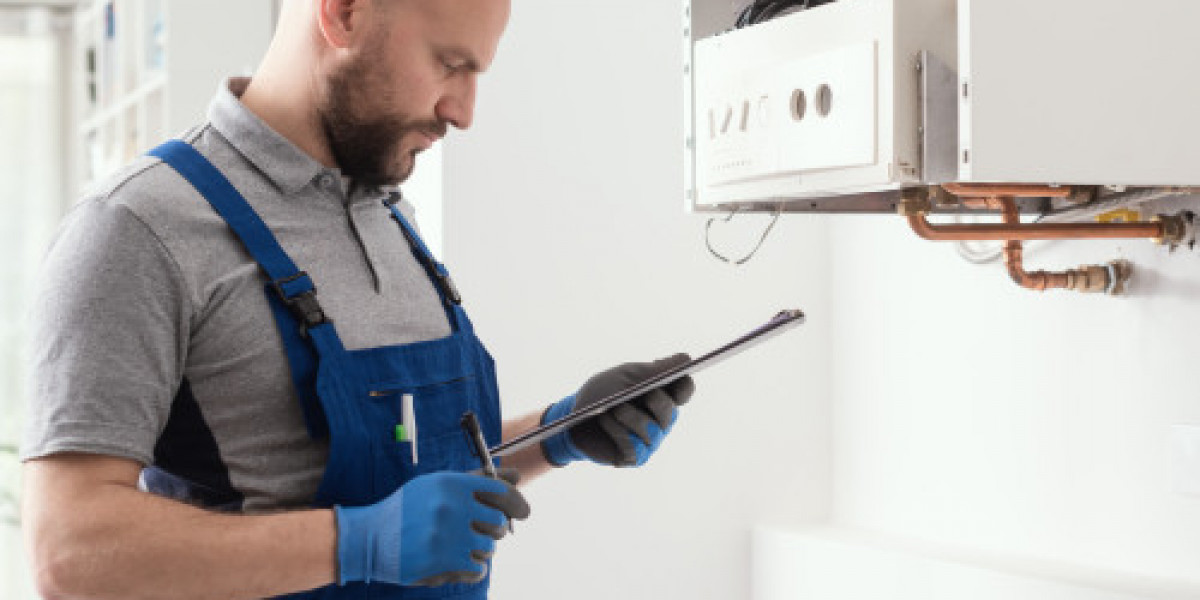

People let engineers into their homes, trust them with their safety and rely on them to explain problems honestly. That makes customer service a core part of the job, not an optional extra. Alongside technical gas training Scotland , strong communication skills help engineers build lasting reputations.
This guide looks at why soft skills matter, how to make a good first impression and how to explain technical issues clearly. It also covers delivering bad news, supporting vulnerable customers and building long-term trust.
Why Soft Skills Matter for Gas Engineers
Customers rarely judge an engineer on technical detail alone. They remember how they were treated and how clearly things were explained.
Trust Is Everything
Gas work involves safety risks that customers cannot see. They need to trust that the engineer is honest, competent and acting in their interest.
Repeat Work and Referrals
Customers who feel respected are more likely to book again and recommend you. Good service is one of the most effective forms of marketing.
Fewer Disputes
Clear communication reduces misunderstandings about what was found, what was done and what happens next.
Safety Depends on Understanding
When customers understand a risk, they are more likely to follow safety advice. Clear explanations can therefore help keep people safe.
Making a Good First Impression
The first few minutes of a visit set the tone for everything that follows. Small details make a big difference.
Arrive on Time
Punctuality shows respect. If you are running late, let the customer know as early as possible.
Introduce Yourself
Give your name, explain why you are there and show identification if asked. Customers feel more comfortable when they know who is in their home.
Respect the Home
Use dust sheets, wear shoe covers where appropriate and keep tools tidy. Leave the work area as clean as you found it.
Explain the Plan
Before starting, briefly explain what you will do and how long you expect to be. This reassures customers and avoids surprises.
Explaining Technical Issues Clearly
Most customers are not gas experts. Turning technical findings into plain language is a skill worth developing.
Use Everyday Words
Avoid jargon where possible. If you need a technical term, explain what it means in simple language.
Focus on What Matters to the Customer
Customers want to know whether the appliance is safe, what needs to happen and how it affects them. Start with those points.
Show, Don't Just Tell
Where it is safe and appropriate, showing a customer a worn part or a blocked vent can make an explanation much clearer.
Check Understanding
Ask whether they have any questions. A short pause can reveal confusion before it becomes a problem.
Instead of saying | Try saying |
|---|---|
"The flue's failed a spillage test" | "Fumes aren't escaping safely, so the fire isn't safe to use" |
"The FSD isn't working" | "A safety device that cuts the gas if the flame goes out isn't working" |
"Tightness test failed" | "There's a gas leak somewhere in the pipework" |
This kind of plain communication is just as important as the technical side of gas training Scotland.
Delivering Bad News
Sometimes an engineer must tell a customer that an appliance is unsafe or needs expensive work. How this is handled matters a great deal.
Stay Calm and Clear
Explain what you found calmly and directly. Avoid alarming language, but do not play down a genuine risk.
Explain the Reason
Customers accept difficult news more easily when they understand why. Link your decision to their safety.
Follow the Correct Procedure
When an installation is unsafe, engineers follow the industry procedure for unsafe situations, make it safe where needed and complete the relevant paperwork.
Offer Options
Where possible, explain what the customer can do next, whether that is a repair, a replacement or a further check.
Put It in Writing
Written records help customers remember what was said and protect both sides if questions arise later.
Supporting Vulnerable Customers
Some customers need extra care and patience. Recognising this is part of being a professional engineer.
Who May Be Vulnerable
Older people, people with disabilities or health conditions, families with young children and people living alone may all need extra support.
Take Your Time
Speak clearly, allow time for questions and repeat key points if needed. Never rush someone who is confused or anxious.
Think About Heating and Cooking
If an appliance must be disconnected, consider whether the customer will be left without heating or cooking. Explain the situation clearly and suggest who they might contact for help.
Involve Others Where Appropriate
With the customer's agreement, it may help to speak to a family member, carer or landlord. Good gas training Scotland reinforces the importance of caring for customers, not just appliances.
Building Long-Term Trust
Trust builds over many visits. Consistent behaviour turns one-off customers into loyal ones.
Be Honest
Only recommend work that is genuinely needed. Customers notice when an engineer is straight with them.
Keep Promises
If you say you will call back or return with a part, do it. Reliability is one of the qualities customers value most.
Stay Qualified
Keeping your ACS certificates current shows professionalism. Customers and landlords may check your registration and categories. Regular gas training Scotland keeps your qualifications in date and your knowledge fresh.
Follow Up
A short message after a job, or a reminder when a service is due, shows that you care about the customer beyond a single visit.
A Simple Customer Care Checklist
- Arrive on time and introduce yourself
- Explain the plan before starting
- Use plain language for findings
- Handle bad news calmly and clearly
- Leave the home clean and tidy
- Follow up and keep promises
Frequently Asked Questions
Why Are Communication Skills Important for Gas Engineers?
Customers need to understand risks and trust the engineer. Good communication supports safety, repeat work and fewer disputes.
How Should I Explain a Safety Problem?
Use plain language, focus on what matters to the customer and explain why the issue affects their safety.
What Should I Do if an Appliance Is Unsafe?
Follow the industry procedure for unsafe situations, make it safe where needed, explain it clearly and complete the paperwork.
How Can I Support Vulnerable Customers?
Take your time, speak clearly and consider whether they will be left without heating or cooking.
How Do I Build Repeat Customers?
Be honest, reliable and respectful, keep your qualifications current and follow up after jobs.
Conclusion
Customer service and communication are as important to a gas engineer's success as technical skill. By making good first impressions, explaining issues clearly and treating every customer with care, engineers can build reputations that last.
If you want to strengthen both your technical and professional skills, start with training that matches your experience. For gas training Scotland with practical teaching and recognized certification, contact Nationwide Training Services on 01506 418798 to discuss your options.