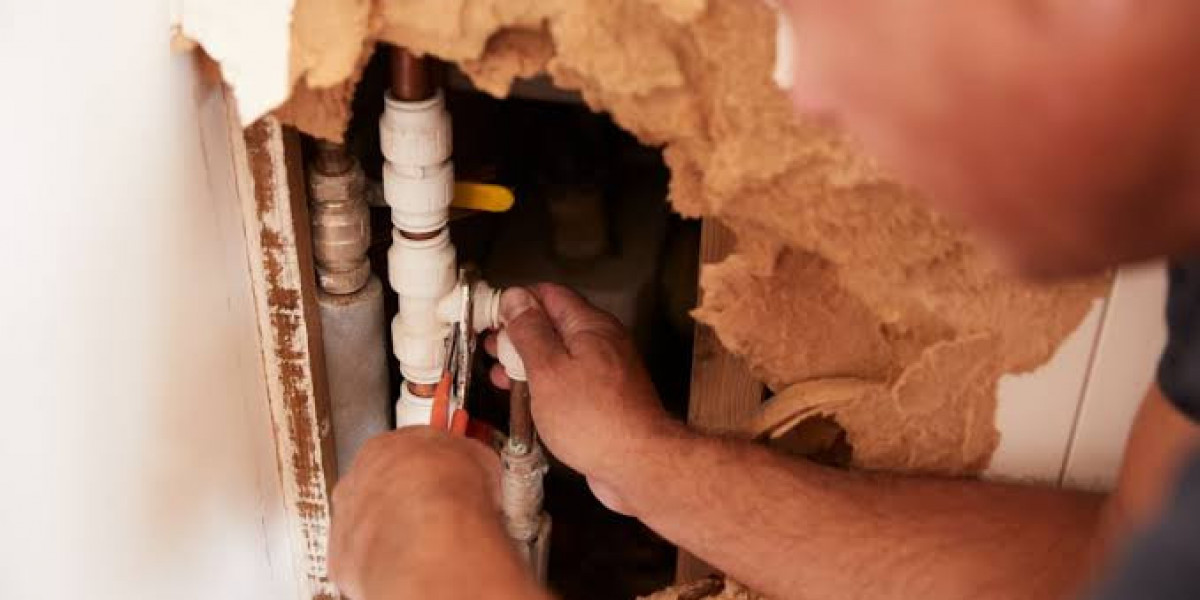

Many people are surprised to learn that the quick fix that stops a leak on the day is rarely the fix that should stay in place for years.
Understanding the difference between a temporary fix and a permanent repair helps you make sensible decisions, avoid a second leak and get the most from a professional burst pipe repair Edinburgh service.
This guide explains the common temporary fixes, the permanent repair options and how to tell which one your home needs.
First Steps Before Any Fix
Whatever repair is used, the same safety steps come first.
- Turn off the water at the internal stopcock. In many homes it is under the kitchen sink, in a cupboard or near where the supply enters the building.
- Switch off heating and hot water systems if the leak is on a heating or hot water pipe.
- Open taps to drain remaining water from the system.
- Keep away from electrics that may be wet. Switch off power only if it is safe.
- Catch and mop up water and move belongings out of the way.
- Warn neighbours below if you live in a flat.
- Take photographs of the damage for your insurer.
If water is coming from Scottish Water's mains outside your boundary, contact their 24-hour helpline on 0800 077 8778.
Temporary Fixes Explained
A temporary fix is designed to stop or slow the leak until a proper repair can be made. It buys time, but it is not meant to last.
Pipe Repair Tape
Self-amalgamating or silicone repair tape can be wrapped tightly around a small split or pinhole leak. It works best on clean, dry pipes and small leaks. It is not suited to large splits or joints.
Epoxy Putty
Epoxy putty is kneaded and pressed over a small hole or crack, where it hardens. It can hold well on a minor leak but may fail under pressure or on pipes that move or vibrate.
Repair Clamps
A pipe repair clamp fits around the damaged section with a rubber seal and is tightened with screws. Clamps are often used by professionals to make a pipe safe straight away and can be more reliable than tape or putty.
Push-Fit Repair Couplings
Some repair couplings can be fitted over a cut section of pipe. These sit between temporary and permanent. When fitted correctly by a competent person they can last, but they should still be checked.
Isolating the Section
In some homes, the damaged pipe can be isolated with a valve so the rest of the system can be used. This is not a repair, but it can restore water to the kitchen or bathroom while work is planned.
Why Temporary Fixes Should Not Be Left in Place
Temporary fixes are useful, but leaving them too long brings risks:
- They can fail without warning, especially under changing water pressure
- They hide the cause. A pipe that burst from frost, corrosion or poor fitting may fail again nearby
- They may not meet insurance expectations. Insurers may expect the damage to be properly repaired
- They can affect a sale. A buyer's surveyor may flag a patched pipe
A temporary fix should be seen as a way to protect the home until a proper repair is arranged.
Permanent Options for Burst Pipe Repair Edinburgh Homes Need
A permanent repair restores the pipe to full working order and deals with the reason it failed.
Replacing the Damaged Section
The most common permanent fix is cutting out the damaged length and replacing it with new pipe joined with soldered, compression or approved push-fit fittings. This suits isolated damage where the rest of the pipe is sound.
Replacing a Longer Run
Where pipes are corroded, poorly fitted or made from older materials such as lead or galvanised steel, it often makes more sense to replace a longer section. This reduces the chance of a second burst nearby.
Rerouting Vulnerable Pipes
Pipes in cold spots such as lofts, external walls, garages or under suspended floors are more likely to freeze and burst. A permanent repair may include moving them to a warmer route.
Adding Protection
Insulation, lagging and trace heating for exposed pipes can all form part of a lasting repair. They help stop the same problem happening the next time temperatures drop.
Checking the Wider System
A thorough engineer will look at water pressure, valves, the stopcock and nearby joints. Fixing only the visible split can leave other weaknesses in place.
How to Tell Which Fix Your Home Needs
The right approach depends on what caused the burst and the condition of the pipework.
A Temporary Fix May Be Enough for Now If
- The leak is a small pinhole on an otherwise sound pipe
- You need water back on while waiting for a planned repair
- The damaged pipe is easy to reach and inspect later
A Permanent Repair Is Needed If
- The pipe has split along its length
- The burst was caused by frost, corrosion or old materials
- The leak is at a joint, valve or fitting
- The pipe is hidden in a wall, ceiling or floor
- Water has caused damage to the structure or electrics
- There have been leaks in the same area before
If you are unsure, a qualified engineer offering burst pipe repair Edinburgh support can assess the pipe and explain the options clearly.
Tenements, Flats and Shared Pipes
In Edinburgh tenements, some pipework is shared. Before arranging a permanent repair, check who is responsible.
- Supply pipes serving only your flat are usually your responsibility.
- Shared pipes may be the joint responsibility of the owners. Your title deeds, or the Tenement Management Scheme where the deeds are silent, will usually explain how costs are shared.
- Tenants should report a burst pipe to their landlord or letting agent straight away. Citizens Advice Scotland notes that tenants need their landlord to fix leaks.
- The Edinburgh Shared Repairs Service (0131 529 6778) can advise where owners need help with shared repairs.
Agreeing responsibility early helps the permanent burst pipe repair Edinburgh go ahead without delay.
Questions to Ask Your Engineer
- What caused the pipe to burst?
- Is the repair you have made temporary or permanent?
- Are there other weak points nearby?
- Should any pipes be insulated or rerouted?
- Will you provide a written report for my insurer?
Frequently Asked Questions
Can I fix a burst pipe myself?
You can safely turn off the water and use tape or a clamp as a short-term measure. A permanent repair is best left to a competent professional, particularly on hidden, shared or hot water pipes.
Will my insurance cover a temporary fix?
Policies differ. Many cover damage from an escape of water, but insurers often expect a proper repair to be completed. Check your policy and keep all photos and reports.
Is it safe to use water after a temporary fix?
It may be, but watch the repair closely for drips and turn the water off again if it starts leaking.
Why did my pipe burst in the first place?
Common causes include freezing, corrosion, high water pressure, poor fittings and physical damage. Knowing the cause helps prevent a repeat.
Conclusion
Temporary fixes have their place. They stop the water and protect your home in the first hours after a burst. They are not a long-term answer, though. A permanent repair deals with the cause, protects your property and gives you peace of mind. For dependable burst pipe repair Edinburgh, get in touch with Edinburgh Drain Repair to have the damage assessed and fixed properly.