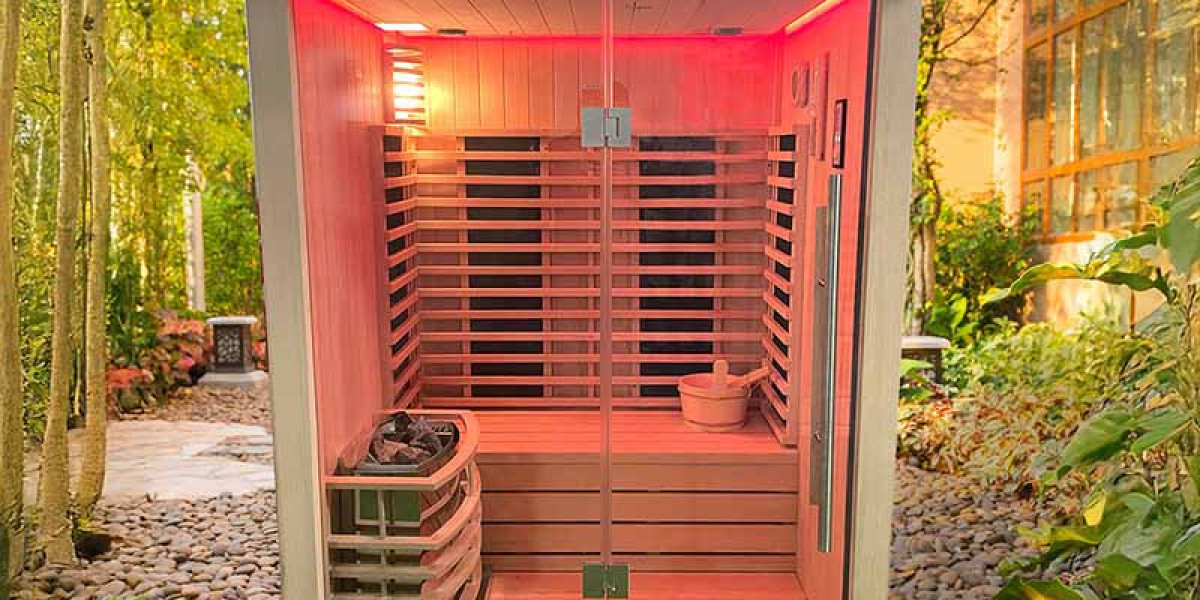

An outdoor sauna offers a convenient way to enjoy heat therapy while making better use of garden and outdoor living spaces. However, installing a sauna outside means exposing its structure to changing weather conditions throughout the year. From persistent rainfall and winter frost to summer sunshine and fluctuating temperatures, outdoor environments can gradually affect materials, structural stability and overall performance.
Choosing suitable weatherproof materials is therefore an important consideration when investing in an outdoor sauna. The quality of the timber, insulation, roofing, exterior finishes, doors and ventilation components can influence how well the cabin withstands environmental exposure over time. These features also help maintain a comfortable interior environment and reduce the need for frequent maintenance.
For homeowners exploring Outdoor Infrared Sauna UK options, understanding the importance of weather-resistant construction can make it easier to select a sauna that remains functional, attractive and dependable for years. This guide explains how different materials contribute to long-term durability and what features deserve attention before choosing an outdoor sauna.
Why Weatherproof Materials Matter for Outdoor Saunas
Unlike indoor installations, outdoor saunas are continuously exposed to environmental conditions. Rainwater, moisture in the air, temperature changes and direct sunlight can all influence the condition of the exterior structure.
Materials that are not suitable for outdoor use may gradually absorb moisture, expand, contract or deteriorate. Wooden surfaces can become discoloured, metal components may corrode, and poorly protected joints can allow water to enter the structure.
Weatherproof materials help reduce these effects by creating a protective barrier between the sauna and its surroundings. They support the structural integrity of the cabin while helping maintain its appearance and usability.
For people considering Outdoor Saunas UK, material quality should be evaluated alongside heating technology, internal dimensions and overall design. A well-designed sauna needs more than an attractive exterior; it should also be constructed to handle the conditions associated with year-round outdoor installation.
Choosing Weather-Resistant Timber for the Exterior Structure
Timber is one of the most recognisable materials used in sauna construction. It provides a natural appearance, creates a welcoming atmosphere and complements garden environments. However, Outdoor Sauna Infrared UK not every type of wood is equally suitable for outdoor exposure.
The choice of timber can influence how well the sauna withstands moisture, temperature fluctuations and prolonged exposure to sunlight.
Natural Resistance to Moisture
Certain timber varieties have natural properties that make them more suitable for outdoor applications. Their density, structure and natural oils can help limit moisture absorption and improve resistance to environmental deterioration.
When selecting an outdoor sauna, homeowners should consider whether the timber has been chosen specifically for exterior use. Appropriate treatment and protective finishing can further improve its ability to withstand changing weather conditions.
Dimensional Stability
Wood naturally responds to changes in humidity and temperature. It can expand when moisture levels increase and contract as conditions become drier.
Timber with good dimensional stability is less likely to experience excessive movement. This helps maintain the alignment of panels, joints and structural connections.
Stable construction is particularly important for saunas installed in locations where weather conditions change considerably between seasons.
Protective Timber Finishes
Exterior timber treatments can provide an additional layer of protection against moisture and sunlight. Depending on the product and wood type, suitable finishes may help preserve the natural colour and reduce surface deterioration.
However, protective coatings require appropriate maintenance. Homeowners should follow the manufacturer's recommendations regarding cleaning, inspection and reapplication.
How Waterproof Roofing Protects the Sauna Structure
The roof is one of the most important protective elements of an outdoor sauna. It receives direct exposure to rainfall, snow and sunlight, making its design particularly important for long-term durability.
A properly constructed roof helps direct water away from the cabin instead of allowing moisture to collect around joints and upper structural sections.
Effective Water Drainage
Roofing materials should support efficient water runoff. A suitable roof slope helps prevent standing water, which can gradually affect exterior finishes and connections.
Good drainage also reduces the likelihood of water entering vulnerable areas around roof edges and joints.
Durable Roofing Materials
Outdoor sauna roofs may incorporate weather-resistant membranes, treated roofing boards or other materials designed for exterior applications.
The most suitable option depends on the cabin's construction, roof design and manufacturer's specifications. Materials should provide dependable protection while remaining compatible with the overall structure.
Protection Against Seasonal Changes
British weather can involve prolonged rainfall, occasional snow and periods of strong sunlight. Roofing systems should therefore be selected with these conditions in mind.
A well-protected roof helps preserve the timber underneath and contributes to the overall lifespan of the sauna.
The Importance of High-Quality Insulation
Insulation is essential for maintaining a comfortable sauna environment. In an outdoor installation, it also helps manage the temperature differences between the interior and the surrounding environment.
Without suitable insulation, heat can escape through walls, ceilings and other structural sections. This may affect heating efficiency and make it more difficult to maintain consistent internal temperatures.
Maintaining Consistent Internal Conditions
Quality insulation helps reduce heat transfer through the cabin walls and roof. This supports more stable interior temperatures and allows the heating system to operate under more consistent conditions.
It is particularly valuable during colder months when outdoor temperatures can fall significantly.
Moisture Management
Insulation should be considered alongside appropriate moisture-control measures. Poorly designed wall assemblies can allow condensation to develop within structural sections.
Suitable vapour-control layers, weather barriers and ventilation arrangements help manage moisture movement through the building envelope.
These components should be designed as a coordinated system rather than selected independently.
Protecting Structural Components
By helping regulate temperature and moisture conditions, suitable insulation can contribute to protecting surrounding construction materials.
This is especially important in an outdoor sauna where the interior and exterior experience different environmental conditions.
Weatherproof Doors, Windows and Sealing Components
Doors and windows are important parts of an outdoor sauna's construction. They influence accessibility, natural lighting, insulation performance and protection against external moisture.
Even when the main structure is made from durable timber, poorly sealed openings can become vulnerable points.
Durable Door Construction
Outdoor sauna doors should be designed to withstand regular use and changing environmental conditions. Suitable construction materials and reliable hardware help maintain proper alignment over time.
The door should close securely without placing unnecessary pressure on the frame.
Quality Weather Seals
Weather-resistant seals around doors and windows help minimise unwanted air movement and prevent rainwater from entering vulnerable gaps.
Rubber or other suitable sealing materials should remain flexible across temperature changes. Regular inspection can help identify worn or damaged seals before they affect the cabin.
Suitable Window Materials
Where an outdoor sauna includes windows, the glazing should be appropriate for sauna temperatures and the surrounding installation conditions.
Heat-resistant glass and correctly fitted frames help support both interior comfort and exterior protection.
Corrosion-Resistant Metal Components
Metal components are frequently used in sauna construction for hinges, screws, brackets, handles and other fittings. When these components are exposed to moisture, their material quality becomes particularly important.
Ordinary metal fittings may deteriorate when repeatedly exposed to rain and humid outdoor conditions.
Stainless Steel and Protective Finishes
Stainless steel is commonly considered for outdoor fittings because of its corrosion resistance. However, the appropriate grade depends on the installation environment and the level of exposure.
Protective finishes can also help improve the durability of other metal components.
Reliable Structural Connections
High-quality fasteners help maintain the stability of panels, frames and other structural sections. They should be compatible with the surrounding timber and designed for exterior use.
Selecting suitable fittings helps prevent premature deterioration at important connection points.
How Ventilation Supports Long-Term Durability
Ventilation is often discussed in relation to comfort, but it also plays an important role in maintaining the internal condition of an outdoor sauna.
A properly designed ventilation system supports air circulation and helps manage moisture after sauna sessions.
Reducing Excess Internal Moisture
After use, warm and humid air can remain inside the cabin. Without appropriate ventilation, moisture may settle on internal surfaces and contribute to damp conditions.
A suitable ventilation arrangement allows air to circulate and helps the cabin dry more effectively between sessions.
Supporting Material Preservation
Timber benefits from appropriate drying conditions. Managing internal moisture helps reduce prolonged dampness that could affect wooden surfaces and structural components.
Ventilation should follow the sauna manufacturer's design specifications to maintain the intended heating and airflow performance.
UV-Resistant Finishes and Protection Against Sunlight
Rain and moisture are not the only environmental factors that influence outdoor sauna durability. Direct sunlight can also affect exterior materials, particularly timber and decorative finishes.
Prolonged ultraviolet exposure may cause wooden surfaces to fade, become discoloured or develop a weathered appearance.
Preserving Exterior Appearance
UV-resistant exterior treatments can help slow down the fading process and preserve the natural appearance of timber.
These finishes should be suitable for the specific wood and outdoor conditions. Regular maintenance may be necessary to maintain their protective properties.
Considering Sauna Placement
Positioning can also influence how much sunlight reaches the cabin. A location that offers some natural shade may reduce prolonged direct exposure.
However, the installation area should still allow suitable ventilation, drainage and access for maintenance.
Maintenance Practices That Extend Outdoor Sauna Lifespan
Even the highest-quality weatherproof materials benefit from regular inspection and appropriate care. Maintenance helps identify small problems before they develop into more significant structural concerns.
Homeowners should establish a simple maintenance routine based on the manufacturer's instructions.
Important maintenance considerations include:
- Inspecting exterior timber: Look for changes in colour, surface condition or signs of moisture damage.
- Checking roof condition: Examine roofing materials, drainage areas and visible joints after periods of heavy rainfall.
- Cleaning exterior surfaces: Remove accumulated dirt, leaves and debris using suitable cleaning methods.
- Examining seals: Check door and window seals for cracks, gaps or deterioration.
- Inspecting metal fittings: Look for corrosion, loose fasteners or damaged hardware.
- Maintaining ventilation: Keep ventilation openings clear to support appropriate airflow.
- Refreshing protective finishes: Reapply suitable exterior treatments according to manufacturer guidance.
These practices can help maintain the sauna's appearance, structural condition and overall functionality.
What to Consider When Choosing an Outdoor Infrared Sauna in the UK
Selecting an outdoor sauna involves evaluating several construction and performance features. Buyers should look beyond the initial appearance and consider how the product is designed to handle outdoor installation.
For anyone comparing an Outdoor Sauna Infrared UK model, the following considerations can help guide the decision.
- Exterior material quality: Check whether the timber and exterior finishes are appropriate for prolonged outdoor exposure.
- Roof construction: Look for a properly designed roofing system that supports effective drainage and protects the cabin from rainfall.
- Insulation performance: Consider how the walls, floor and ceiling are insulated to support consistent internal conditions.
- Weather-resistant fittings: Examine the quality of hinges, fasteners, handles and other metal components.
- Door and window sealing: Ensure openings are properly designed to reduce unwanted moisture and air movement.
- Ventilation arrangements: Check whether the cabin includes ventilation designed for its specific heating system and construction.
- Manufacturer guidance: Review installation requirements, maintenance recommendations and warranty information before purchasing.
It is also worth considering the available space, electrical requirements and the suitability of the proposed installation location.
A carefully selected outdoor infrared sauna can become a practical addition to a garden while providing a dedicated space for relaxation throughout the year.
Conclusion
Weatherproof materials play an essential role in protecting outdoor saunas against the environmental conditions associated with year-round exterior installation. From moisture-resistant timber and durable roofing to effective insulation, corrosion-resistant fittings and UV-protective finishes, each component contributes to the overall performance and lifespan of the structure.
For homeowners exploring Outdoor Infrared Sauna UK options, understanding these construction features can help make the purchasing process more informed. Material quality should always be considered alongside heating technology, ventilation, installation requirements and manufacturer support.
Health Mate offers sauna solutions for people looking to create a comfortable wellness space at home. By prioritising suitable materials, following installation guidance and maintaining the exterior regularly, homeowners can help preserve their outdoor sauna's appearance, functionality and durability for years to come.
Frequently Asked Questions
1. Why are weatherproof materials important for outdoor infrared saunas?
Weatherproof materials help protect the sauna against rain, moisture, sunlight and temperature fluctuations. They support structural stability, preserve exterior finishes and help maintain the cabin's long-term functionality.
2. Which timber is suitable for outdoor sauna construction?
Timber selected for outdoor use should offer suitable moisture resistance and dimensional stability. The best choice depends on the sauna's design, treatment requirements and the manufacturer's specifications.
3. How does roofing affect outdoor sauna durability?
A durable roofing system protects the upper structure from rainfall, snow and prolonged sunlight. Effective drainage also helps prevent water from collecting around joints and other vulnerable areas.
4. Does insulation help outdoor infrared saunas during winter?
Yes. Suitable insulation helps reduce heat transfer through the cabin's walls and ceiling, supporting more consistent internal temperatures during colder weather.
5. How can I protect outdoor sauna timber from rain?
Use suitable exterior timber treatments, maintain the roofing system, ensure effective drainage and inspect the exterior regularly. Following the manufacturer's maintenance instructions is important for preserving the protective finish.
6. Can sunlight damage an outdoor sauna?
Prolonged exposure to ultraviolet radiation can cause timber fading and deterioration of certain exterior finishes. UV-resistant treatments and thoughtful sauna placement can help minimise these effects.
7. How often should an outdoor sauna be maintained?
Outdoor saunas should be inspected regularly, particularly after periods of heavy rain or extreme weather. The frequency of cleaning and protective treatments depends on the materials and manufacturer's recommendations.
8. Are stainless steel fittings suitable for outdoor saunas?
Stainless steel fittings are often suitable because of their corrosion resistance. However, the correct grade should be selected according to the installation environment and expected moisture exposure.
9. Does ventilation affect the lifespan of an outdoor sauna?
Yes. Appropriate ventilation helps manage internal humidity and supports drying after use. This can help protect timber surfaces and maintain a more suitable interior environment.
10. What should I check before buying an outdoor infrared sauna in the UK?
Consider the exterior timber, roofing, insulation, weather seals, ventilation, metal fittings, electrical requirements and installation guidance. Checking the manufacturer's warranty and maintenance recommendations can also help you make a more informed decision.